Blue Light and Sleep: What Screens Really Do to Your Night
Screen light can delay sleep, but blue light is only part of the story: brightness, timing and content matter too. A few simple habits for your evenings at home.
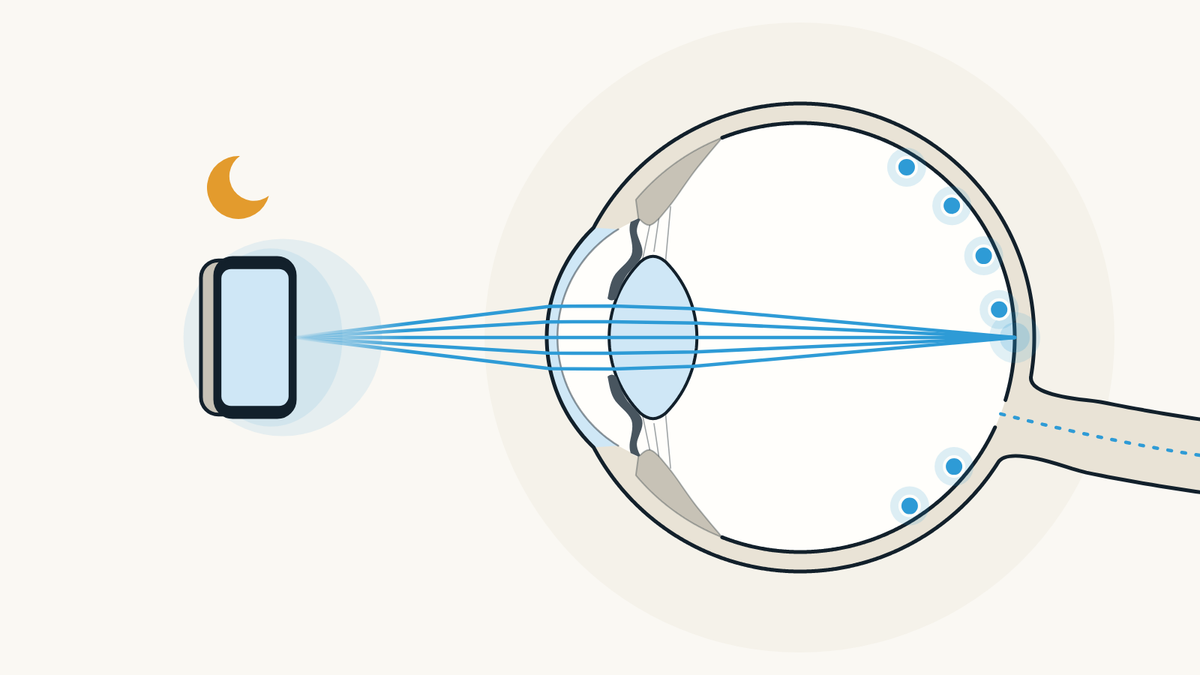
Yes. In the evening, blue light from screens can hold back melatonin, the hormone that prepares your body for sleep, and make it harder to fall asleep. But colour is only part of the story: brightness, timing and content matter too. A basic rule for kids and teens: put screens away at least an hour before bed.
Does blue light really affect your sleep?
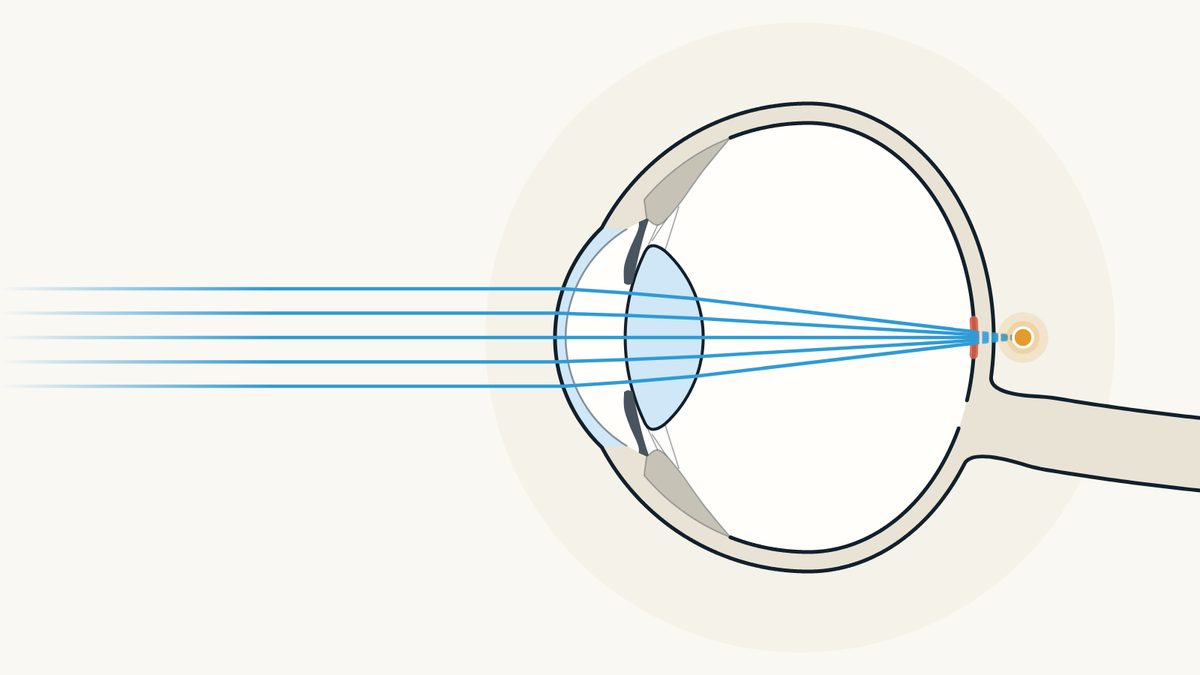
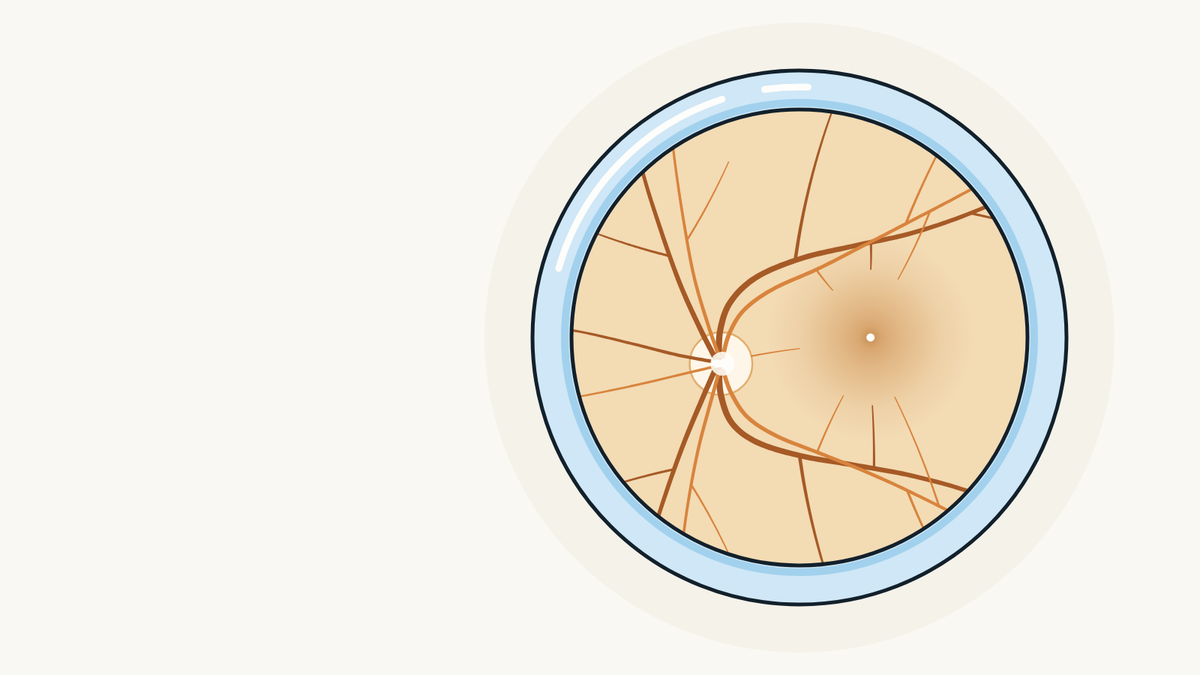
It can, through your body's internal clock. Some cells in the retina are mainly not used for seeing: they measure the light around you and report it to that clock. They are most sensitive to blue, which daylight contains in abundance. When they pick up a lot of it in the evening, melatonin is slow to rise and your body stays in "daytime mode" longer.

According to the Canadian Association of Optometrists (CAO), too much artificial blue light at night from devices may lead to difficulty falling asleep and daytime fatigue.
In one lab study, twelve young adults read on an iPad for about 4 hours each evening, 5 evenings in a row. Compared with a printed book, they took about 10 minutes longer to fall asleep, made less melatonin and were less alert the next morning (Chang, 2015).
Is blue light or brightness the real problem?
So is the link between blue light and sleep a myth? Not quite, but research has added nuance: colour matters, but the total amount of light reaching your eyes matters too.

Another lab study was not about screens; it tested ordinary room lighting (under 200 lux). In 116 young adults, that lighting during the 8 hours before bedtime, instead of dim light, delayed the start of melatonin release in 99% of them and shortened the time melatonin was released by about 90 minutes (Gooley, 2011).
According to an international expert panel, a screen alone, with no other lighting in the room, can give off a level of light that, in lab studies, blunts the evening rise in melatonin. Changing only its colour cuts the light that acts on the internal clock by about half, a gain the panel calls modest: it also advises dimming the screen and keeping room lighting low (Brown, 2022).
One point to clear up: this effect works through your internal clock, not through damage to the eye. The American Academy of Ophthalmology says there is no scientific evidence that blue light from digital devices damages the eye.
Content plays a part too: the Canadian Paediatric Society (CPS) notes growing evidence that screens displace sleep time and cause emotional stimulation.
Does night mode help you sleep?
The available evidence does not show it. In a randomized trial, 167 young adults were assigned one of three conditions for the hour before bed, over seven nights: iPhone with Night Shift, iPhone without it, or no phone.
Night Shift gave no measurable benefit, and overall the three groups slept about the same. In an exploratory analysis of people averaging more than 6.8 hours of sleep, the no-phone group had the most efficient sleep (Duraccio, 2021).
How long before bed should you stop using screens?
The CPS asks health professionals to remind parents and teens "to avoid screens at least 1 hour before bedtime" and to discourage recreational screen use in bedrooms. The CAO gives the same guideline for all children.

For bright screens, the CAO goes further and suggests avoiding them "for two to three hours before bedtime," the same window the American Academy of Ophthalmology gives for limiting screen time.
What colour of light helps you sleep?
No lamp colour will put you to sleep, but some light disturbs your internal clock less. For healthy adults, the same panel recommends (Brown, 2022):

- In the evening, from at least 3 hours before bed: dim lighting, ideally low in blue. According to the authors, many common warm white household LEDs (2,700 to 3,000 K) already meet their target at typical evening home lighting levels.
- At night: a bedroom as dark as possible, with blackout blinds or curtains and, if needed, a small night light.
- During the day: plenty of light, ideally daylight. The CAO also recommends getting outdoor light earlier in the day.
In a Montreal winter, consider a morning walk or a desk near a window.
Do screens affect children's and teens' sleep?
According to Statistics Canada, in 2023, 57% of 12-year-olds and 90% of 17-year-olds had used an electronic device in their bedroom before falling asleep. Among 12- to 17-year-olds who used one before bed, 57% reported trouble falling asleep at least once a month, compared with 44% of those who did not.
A meta-analysis of 20 studies (more than 125,000 young people aged 6 to 19) also linked bedtime use of portable devices with too little sleep, poorer sleep quality and more daytime sleepiness (Carter, 2016). A review of 67 studies found an unfavourable link in 90% of them, mainly shorter and later sleep (Hale and Guan, 2015).
These studies show links, not proof that screens are the cause. The review's authors still advise young people to limit screens, especially before and during bedtime hours. According to the CAO, teens are more affected, because their sleep-wake cycle already tends to run later.
Why keep phones out of the bedroom?
In the Carter meta-analysis, simply having a device available at night, even without using it, was also linked with worse sleep. One more reason to charge devices outside the bedroom.
A simple evening routine for the whole family
- Turn screens off at least an hour before bed (ideally two to three hours for bright screens).
- Charge phones and tablets outside the bedroom.
- Dim the lights in the evening and choose warm white bulbs.
- When using a screen, turn the brightness down rather than relying on night mode alone.
- For reading in bed, choose a printed book over a tablet.
- In the morning, get outside into daylight.
When should you see an optometrist?
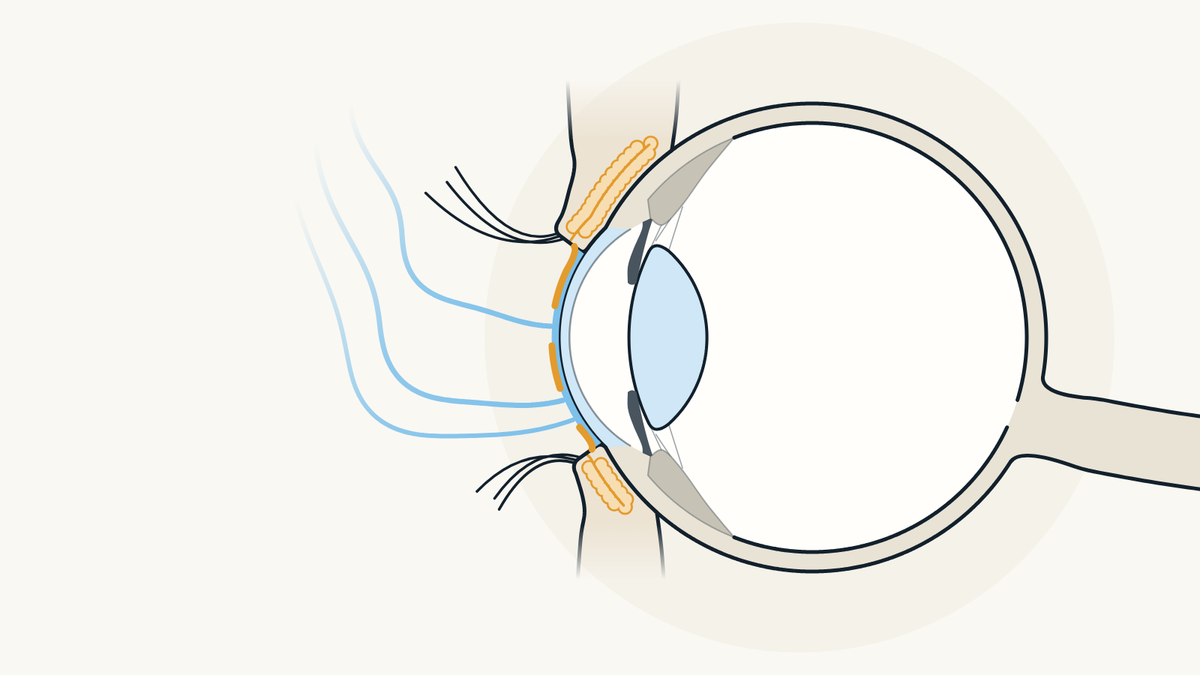
Your eyes, on the other hand, can feel the effects of evening screen time. People blink half as often or less when looking at a screen (the CAO cites about 4 times a minute instead of 17), which dries the surface of the eye. An outdated prescription can add to the strain.
For children, the yearly exam is also a good time to talk about kids' eyes and screens. According to the RAMQ, if you are insured by the Québec Health Insurance Plan and "under the age of 18 or age 65 or over", one complete eye exam a year is covered. Some other people are also eligible, under different conditions and limits (see the RAMQ page).
At the clinic, we recommend an eye exam every year for children and every two years for adults.
Do blue light glasses help you sleep?
The evidence doesn't give a clear answer. A 2023 Cochrane review found six randomized trials on sleep (148 participants): three showed an improvement and three showed no difference (very low certainty). Study populations also varied widely, from healthy adults to people with mental health or sleep disorders.
We take a closer look in our article Do Blue Light Glasses Work? What the Evidence Says.
If you are still considering a blue light filter on your lenses, the CAO says it is a personal decision to make with your optometrist. Our lens options are described on the progressive, Transitions and blue light lenses page.
Sources
- Canadian Association of Optometrists (CAO). Blue Light: Is There a Risk of Harm?
- Canadian Paediatric Society. Digital media (position statement, reaffirmed 2025)
- CAO. Children and Screen Time
- CAO. Computer Vision Syndrome (Digital Eye Strain)
- Statistics Canada (2026). Does screen time make a difference?
- Gooley JJ et al. J Clin Endocrinol Metab, 2011
- Chang AM et al. PNAS, 2015
- Brown TM et al. PLoS Biology, 2022
- Duraccio KM et al. Sleep Health, 2021
- Carter B et al. JAMA Pediatrics, 2016
- Hale L, Guan S. Sleep Med Rev, 2015
- Singh S et al. Cochrane Review, 2023
- American Academy of Ophthalmology. Should You Be Worried About Blue Light?
- RAMQ. Optometric services
- Government of Québec. Info-Santé 811
This article is general information and does not replace an eye exam.