Why Eye Exams Are Important, Even When You See Fine
Seeing clearly doesn't always mean your eyes are healthy. Here is what a comprehensive eye exam can find, often before any symptoms, and when to book one.
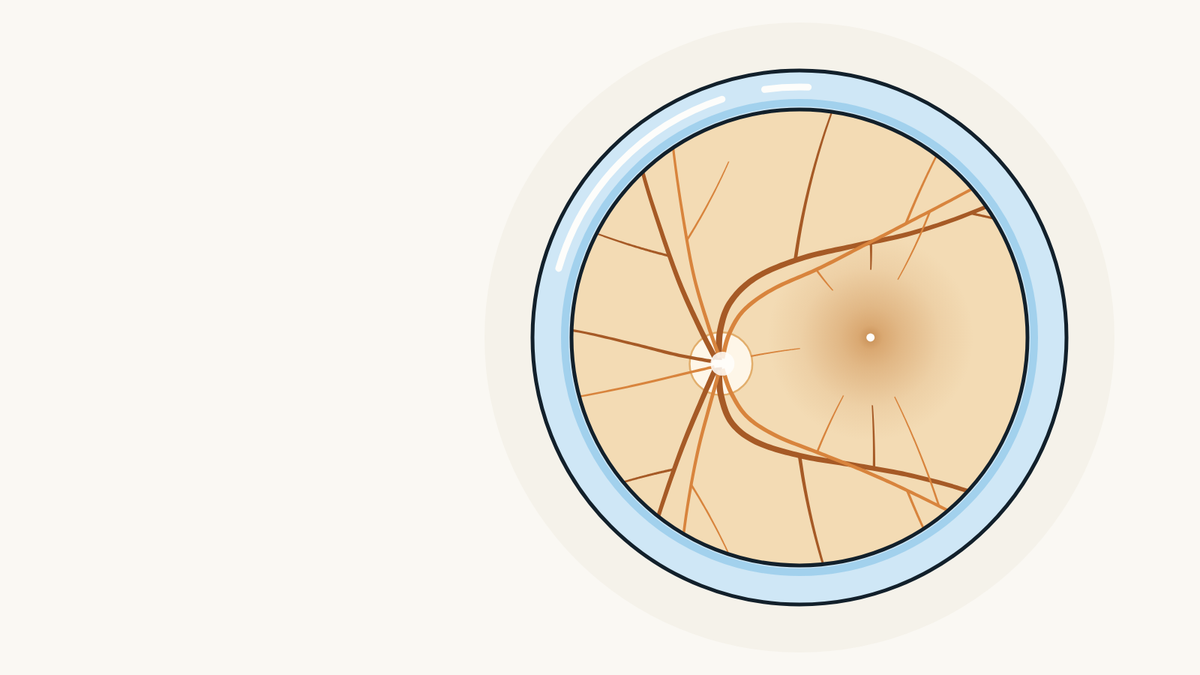
Eye exams are important because they do more than update your prescription. Your optometrist also checks the health of your eyes, down to the retina and optic nerve. Several eye diseases, including glaucoma, diabetic retinopathy and macular degeneration, can go unnoticed in the early stages. A comprehensive eye exam can find them early, often before your vision changes.

Why are eye exams important if you don't wear glasses?
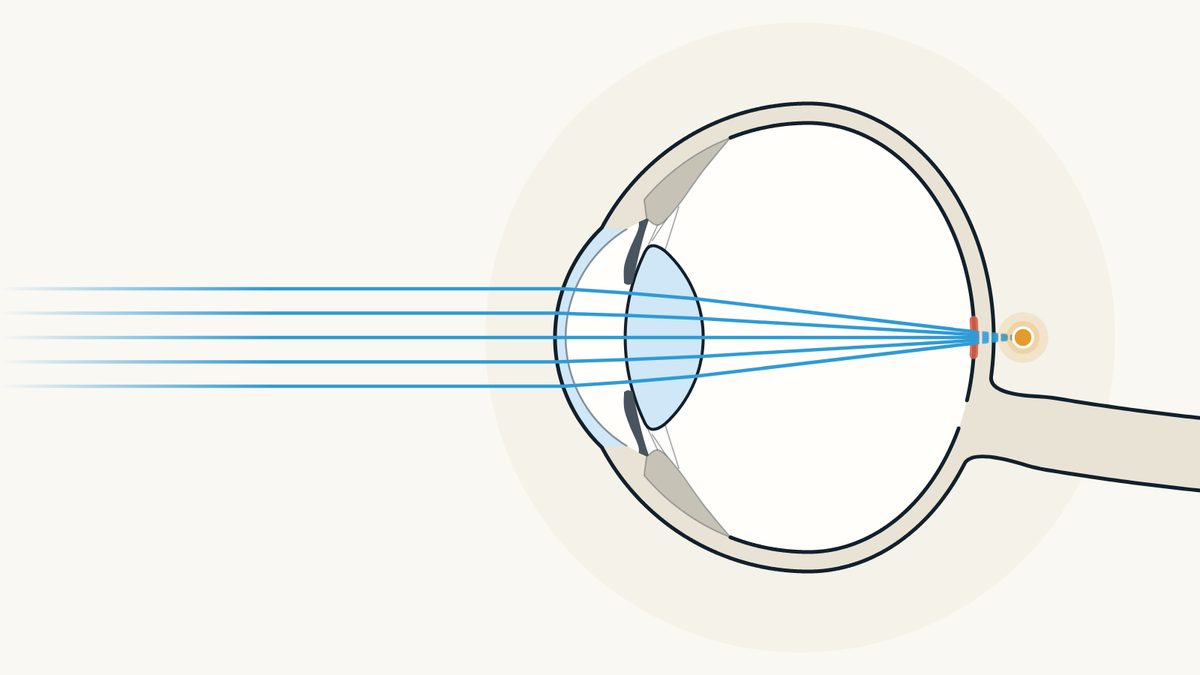
Because seeing clearly and having healthy eyes are two different things. As the Association des optométristes du Québec (AOQ) points out, 20/20 vision only describes how sharp your sight is at a set distance. On its own, it can't tell you whether your eyes are healthy, and you can see 20/20 far away and still have trouble up close.
The Canadian Association of Optometrists (CAO) explains that eye health problems are not always accompanied by recognizable symptoms, and that structural changes in the eye, often microscopic, can show up well before vision drops.
A 2021 Deloitte report prepared for several Canadian vision organizations, including the CAO, found that 75% of vision loss is either preventable or treatable if caught early.
What can an eye exam detect?
The CAO lists several eye diseases an eye exam can detect, including glaucoma, cataracts, retinal detachment and macular degeneration. Here is what your optometrist looks for in two conditions that can progress without symptoms at first.
Glaucoma
Glaucoma damages the optic nerve, which connects the eye to the brain. Open-angle glaucoma has no warning signs in the early stages, and according to the American Academy of Ophthalmology (AAO), half of the people who have glaucoma don't know it. The damage is permanent, but medication or surgery can help limit further loss.
To check for it, your optometrist measures the pressure inside your eye, examines the optic nerve, tests your side vision and may take images of the optic nerve. Optical coherence tomography (OCT) is a no-contact scan that takes cross-section pictures of the retina and measures the thickness of its layers, including the optic nerve fibre layer.
Risk goes up after age 40, with a family history of glaucoma and in people of African, Hispanic or Asian heritage, among other factors. Our page on glaucoma screening and OCT imaging has more details.
Age-related macular degeneration (AMD)
AMD affects the macula, the central part of the retina you use to see fine detail. It is one of the main causes of vision loss in people 50 and over, and many people don't realize they have it until their vision is very blurry.
To find it, your optometrist examines the retina, often after dilating your pupils with drops. An Amsler grid (a square grid that makes blurry or wavy areas easier to spot) and OCT can round out the assessment.
Can an eye exam detect diabetes or high blood pressure?
It can reveal signs of both, because your optometrist looks directly at the small blood vessels at the back of your eye.

Diabetes. Tiny retinal blood vessels that leak blood or a yellowish fluid can be a sign of diabetic retinopathy. The AAO notes that these changes sometimes appear before a person has been diagnosed with diabetes.
Diabetes Canada reports that diabetic retinopathy is the most common cause of new cases of legal blindness in working-age people. It recommends an eye exam by an optometrist or ophthalmologist when type 2 diabetes is diagnosed, then every 1 to 2 years if there is little or no retinopathy.
High blood pressure. Blood vessels at the back of the eye with unusual bends or kinks, or small areas of bleeding, can signal high blood pressure.
Other health conditions. The AOQ also mentions signs linked to Parkinson's disease or multiple sclerosis, and the CAO lists signs of stroke, cardiovascular disease and neurological conditions.
What does an optometrist check during a comprehensive eye exam?
The CAO describes a comprehensive eye exam as covering your health history, the quality of your vision, the outer and inner health of your eyes, how well they focus, how they move and work together, and your peripheral vision.
That is what sets it apart from a quick sight test or a school vision screening. An automated sight test can only estimate your lens prescription, and these tests are not enough to assess the health of your eyes.
The Ordre des optométristes du Québec also states that optometrists provide first-line care for certain eye conditions, including prescribing medication, and work with an ophthalmologist when needed. Learn more about the role of an optometrist.
Why check a child's eyes if they don't complain?
Because children don't always know they can't see well: a child may not notice that one eye sees better than the other. Amblyopia (lazy eye) responds better to treatment before age 7 or 8. And according to the CAO, a school vision screening is not enough.
Learn more on our children's eye exams page.
How often should you get your eyes checked?
At our clinic, we recommend an eye exam every two years for adults and every year for children. From age 65, the CAO recommends a yearly exam instead, or as your optometrist advises. The AOQ adds that an optometrist may suggest a different schedule if you wear contact lenses, have diabetes or have a family history of glaucoma.

The RAMQ covers eye exams for insured people in certain situations, including "You are under the age of 18 or age 65 or over". For those age groups, complete examinations are limited to "1 examination per year" (the RAMQ's Optometric services page describes the other eligible situations).
The RAMQ also lists some services as not covered, including "Optical coherence tomographies" and "Photos of the retina or Optomap".
When should you see an optometrist right away?
Some symptoms call for a prompt visit, without waiting for your next exam:
- flashes of light that appear suddenly
- many new floaters at once (specks, lines or cobweb-like shapes)
- a shadow in your side vision, or a grey curtain covering part of your field of vision
- sudden loss of vision, or a blind spot that appears all at once, in one or both eyes
- a red, very painful eye, especially with blurry vision, coloured halos around lights, a headache or nausea.
According to the AAO, flashes, new floaters and a shadow or curtain can signal a detached retina. Sudden vision loss can come from a blocked blood vessel in the retina, and a red, painful eye with halos can come from an angle-closure glaucoma attack.
A sudden problem such as conjunctivitis, an inflamed eyelid or something stuck on the surface of your eye also calls for a quick visit. The RAMQ states that "Emergency examinations performed by optometrists are covered for all insured persons experiencing a sudden eye problem", though treatment and some additional tests are not covered.
Planning your next exam
If your last eye exam was more than two years ago, or more than a year ago for a child or if you are 65 or over, now is a good time to plan one. Our page on comprehensive eye exams in Montreal explains how the visit works, what the RAMQ covers and how to make an appointment.
Sources
- Examen visuel, Association des optométristes du Québec (in French).
- The Eye Exam, Canadian Association of Optometrists.
- Recommended Frequency of the Comprehensive Eye Examination, Canadian Association of Optometrists position statement (reviewed July 2024).
- Deloitte report on the cost of vision loss (news release), Fighting Blindness Canada (2021).
- Understanding Glaucoma, American Academy of Ophthalmology (2026).
- Understanding Macular Degeneration, American Academy of Ophthalmology (2025).
- What Is Optical Coherence Tomography?, American Academy of Ophthalmology (2026).
- 20 Surprising Health Problems an Eye Exam Can Catch, American Academy of Ophthalmology (2025).
- Clinical Practice Guidelines, Chapter 30: Retinopathy, Diabetes Canada (2018).
- Questions fréquentes, grand public, Ordre des optométristes du Québec (in French).
- Amblyopia: What Is Lazy Eye?, American Academy of Ophthalmology (2025).
- Optometric services, Régie de l'assurance maladie du Québec.
- Detached Retina, American Academy of Ophthalmology (2025).
This article is general information and does not replace an eye exam.