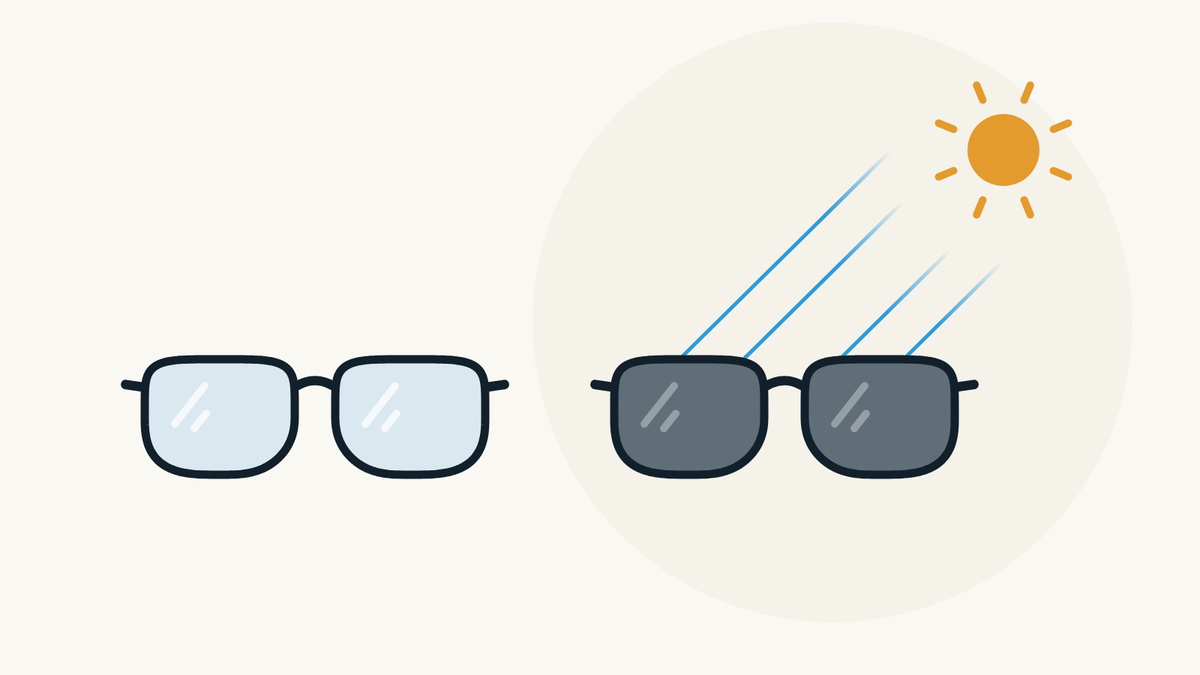
Do Blue Light Glasses Work? What the Evidence Says
Blue light glasses are sold everywhere, but research has not shown that they reduce eye strain from screens. Here is what the studies and eye care organizations say, and what can help your eyes.
Reviewed by Michel Geha, O.O.D., on September 26, 2026
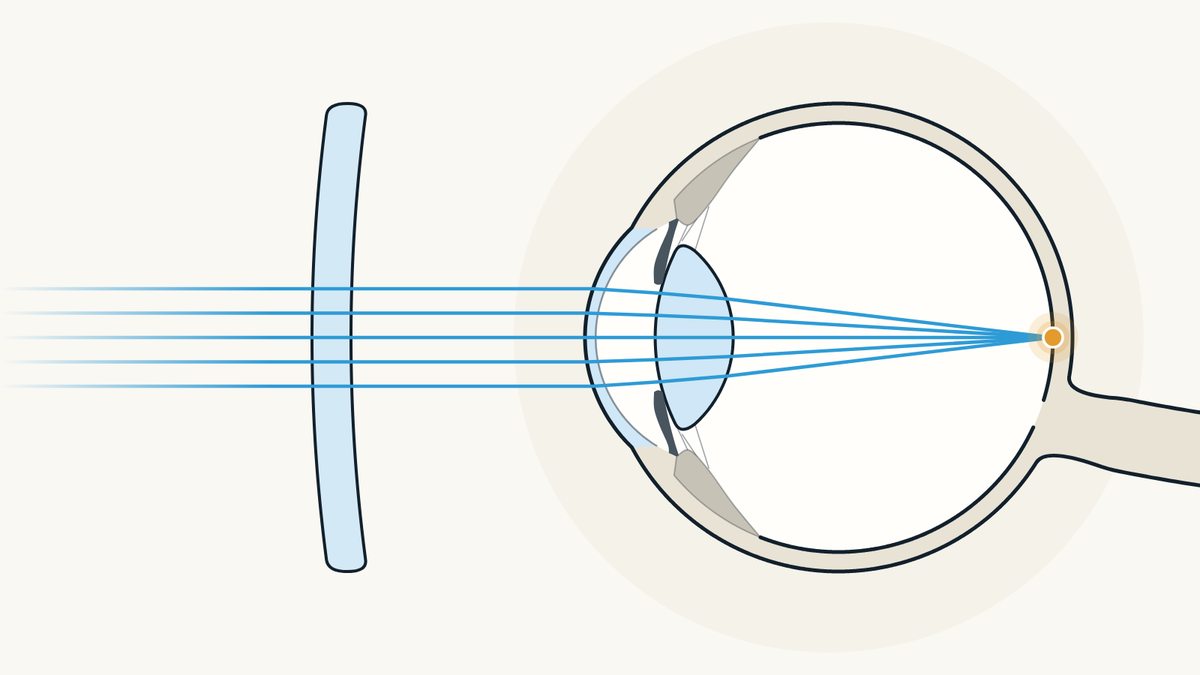
According to a 2023 Cochrane review of 17 trials, blue light glasses may not reduce eye strain from computer work, at least in the short term. The American Academy of Ophthalmology (AAO) says there is no scientific evidence that blue light from screens damages the eye. Screen eye strain mostly has other causes, and the AAO calls it easily preventable.
Do blue light glasses work?
The 2023 Cochrane review included 17 randomized trials involving 619 adults in six countries, with follow-up ranging from less than a day to five weeks. Its findings:

- Eye strain: compared with regular lenses, blue light filter lenses may not reduce eye strain from computer use (three trials measured it, over less than a week; low-certainty evidence).
- Sleep: mixed results. Three trials found an improvement and three found no difference (very low certainty).
- Macular health (the central part of the retina): no trial looked at it.
The authors concluded that the findings do not support prescribing blue light filtering lenses to the general population. A 2024 article on the website of the Chief Scientist of Québec answered the question in its French headline: "Pas vraiment" ("not really").
The studies were short and often small, and the researchers are calling for longer trials. The question is not closed, but no clear benefit has been shown so far.
Are blue light glasses just a placebo?
The trials show something narrower: in those three short trials, people wearing ordinary clear lenses reported about the same eye strain as people wearing blue light filter lenses (low-certainty evidence).
Do eye doctors recommend blue light glasses?
The Canadian Association of Optometrists (CAO) says that adding a blue light filter to prescription lenses "is an individual decision that should be made with an optometrist."
In the UK, the College of Optometrists tells optometrists who sell these lenses to make sure patients know there is no strong evidence that they improve visual performance or sleep, relieve eye strain or protect the macula. In the United States, the AAO, an association of ophthalmologists, does not recommend any special blue light blocking eyewear for computer use.
At our clinic, we do offer blue light filter lenses, but we want you to choose them knowing what the research shows, and what it doesn't.
Is blue light from screens harmful to your eyes?
Do you need glasses to protect your eyes from screens? Current evidence does not support it. "The sun is our main and natural source of blue light," the CAO points out. Screens emit much less: according to Cochrane, about a thousandth of what our eyes get from daylight.

When Public Health England measured low-energy light bulbs, computers and tablets, none came close to international exposure limits, even with extended viewing. The studies describing blue light damage to eye cells were done in the lab, not in living human eyes.
The CAO states that there is no clinical evidence that artificial blue light at low intensity and for shorter exposure periods harms the eye. The AAO, for its part, finds no scientific evidence that blue light from screens damages the eye.
What about children?
According to the CAO, a child's natural lens filters high-energy blue light less effectively. With no clinical evidence of harm, it still recommends, as a precaution, monitoring and limiting children's screen exposure. A yearly children's eye exam lets us follow how their vision develops.
What really causes eye strain from screens?
Digital eye strain, also called computer vision syndrome, shows up as blurred or double vision, dry, red or irritated eyes, watery eyes or headaches. It comes mostly from the way we use screens: we blink less and our eyes work harder to focus.

The CAO also notes that blue light scatters more inside the eye and can reduce contrast, which may add to strain. Trials have not shown, however, that a filter reduces that strain.
When we stare at a screen, we blink at least half as often (the CAO reports about 4 times a minute instead of 17), and the surface of the eye dries out. A missing or outdated prescription adds to the effort, especially with hyperopia, astigmatism or presbyopia.
Our article on dry eye covers that side in more detail. According to the AAO, this strain does not cause lasting damage.
What helps with screen eye strain and headaches?
The habits recommended by the CAO and the AAO are simple:

- The 20-20-20 rule: every 20 minutes, look at something at least 20 feet (6 metres) away for at least 20 seconds.
- Blink on purpose, and often.
- Artificial tears can ease the feeling of dryness.
- Position your screen at least an arm's length away (more than 50 cm) and 20 degrees below eye level.
- Cut glare and match screen brightness to the lighting in the room.
- Keep your prescription up to date. In some cases, computer glasses designed for screen distance can help.
Are there downsides to blue light glasses?
- They filter only part of the blue light. According to Cochrane, these lenses typically filter about 10 to 25% of blue light, depending on the product. Filtering much more would take an obvious amber tint, which noticeably changes how you see colours.
- A few side effects, rarely reported. Only three trials described any: headaches, discomfort wearing the glasses, lower mood or more depressive symptoms. These effects were mild and temporary, and similar effects were reported with ordinary lenses. Some trials included people with mental health or sleep disorders.
- Numbers to read with care. Transitions, for example, says its GEN S lenses filter up to 32% of blue-violet light (400 to 455 nm, only part of the blue light range) indoors and up to 85% outdoors, once the lens has darkened. That is the manufacturer's measure of filtered light, not evidence of a health benefit.
Is it worth wearing blue light glasses at work or all day?
The trials lasted five weeks at most, so the effects of long-term wear, good or bad, are unknown. If your lenses feel comfortable, wearing them is a personal choice to discuss with your optometrist or optician.
Do blue light glasses help you sleep?
The Cochrane review found their effect on sleep uncertain. The AAO does note that too much blue light from screens late at night can make it harder to fall asleep. Our article on blue light and sleep covers this in more detail.
When should you see an optometrist?
Thinking about lenses for screen work?
If you still want a blue light filter or lenses designed for screen work, our opticians can walk you through the options and their limits. See our page on blue light filter lenses and anti-reflective coatings.
Sources
- Singh S, et al. Blue-light filtering spectacle lenses for visual performance, sleep, and macular health in adults. Cochrane Database of Systematic Reviews, 2023
- Cochrane. Blue-light filtering spectacle lenses for visual performance, macular (back part of the eye) protection, and improving sleep quality (plain language summary), 2023
- Cochrane. Blue-light filtering spectacles probably make no difference to eye strain, eye health or sleep quality (news release), 2023
- Scientifique en chef du Québec (Agence Science-Presse). Efficaces, les lunettes contre la lumière bleue? Pas vraiment. (in French), 2024
- Canadian Association of Optometrists. Blue Light: is there a risk of harm?
- Canadian Association of Optometrists. Computer Vision Syndrome (Digital Eye Strain)
- American Academy of Ophthalmology. Should You Be Worried About Blue Light?, 2021
- O'Hagan JB, Khazova M, Price LLA. Low-energy light bulbs, computers, tablets and the blue light hazard. Eye, 2016
- College of Optometrists (UK). Review finds there may be no benefit using blue-light filtering spectacles, 2023
- Transitions Optical. Transitions GEN S and XTRActive brochure, Canada, 2024 (manufacturer data)
- Régie de l'assurance maladie du Québec. Optometric services
This article is general information and does not replace an eye exam.