Advice

Eye Care Advice

Clear answers to the questions our patients ask about vision, glasses, contact lenses and eye health.

More advice

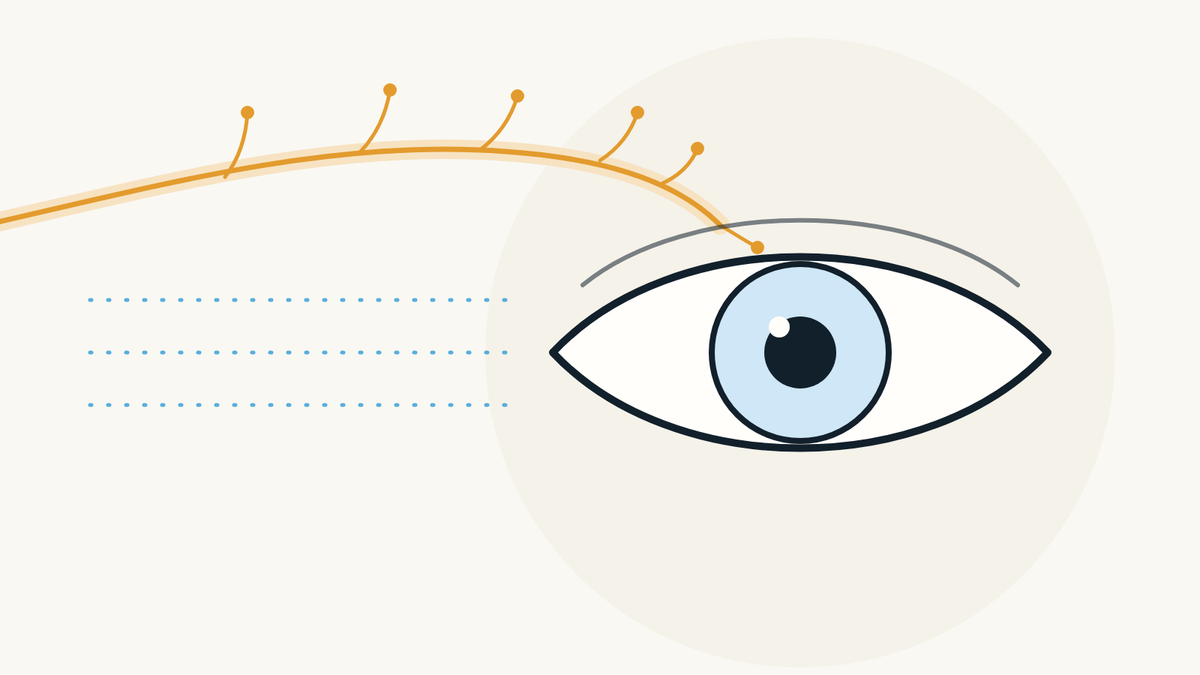
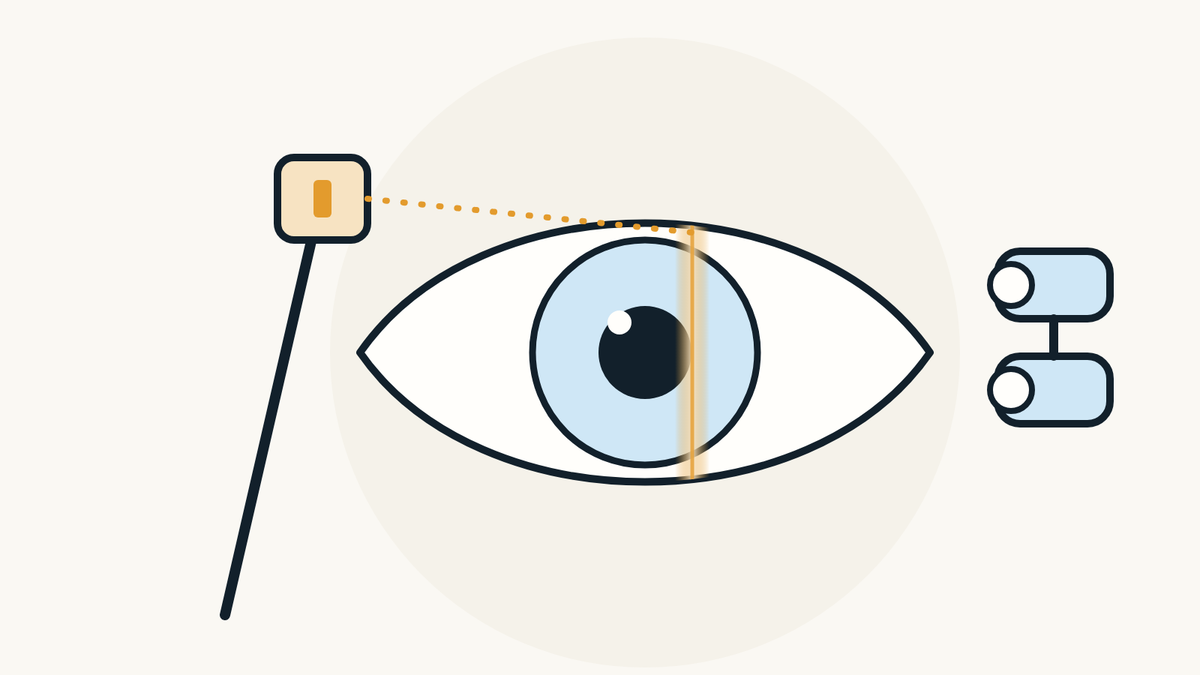
Illustration of an eye with an orange nerve line running across the forehead to the upper eyelid.
Advice

Shingles Near the Eye: Signs, Treatment and When to Get Care

Shingles near the eye, or herpes zoster ophthalmicus: the early signs, what it does in the eye, why antivirals work better early, who is more at risk, complications, contagion, what NACI recommends for the vaccine and where to go for care.

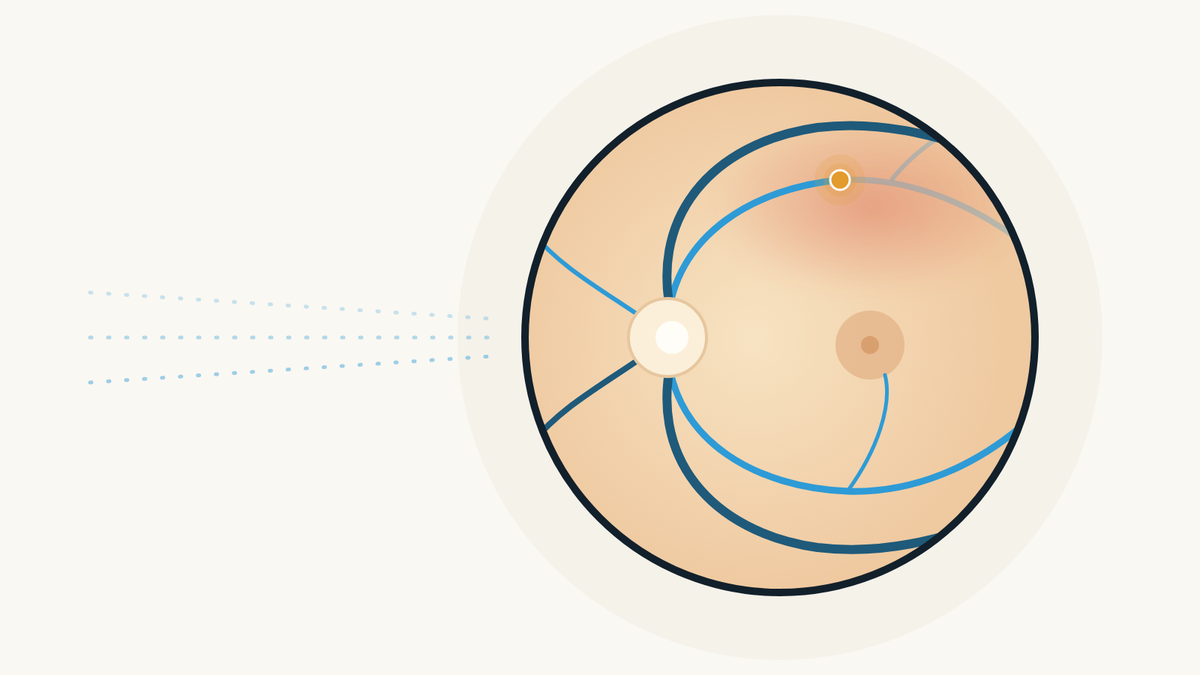
Illustration of the back of the eye with the retina's blood vessels branching from the optic nerve, one upper branch blocked by a small clot and a reddish zone beyond it.
Advice

Eye Stroke: What a Blocked Retinal Vessel Is and What to Do

What an eye stroke is, the signs of a blocked retinal artery or vein, the link with brain stroke, who is at risk, what to do right away with sudden vision loss, how it is diagnosed and treated, whether vision comes back and how to lower the risk.

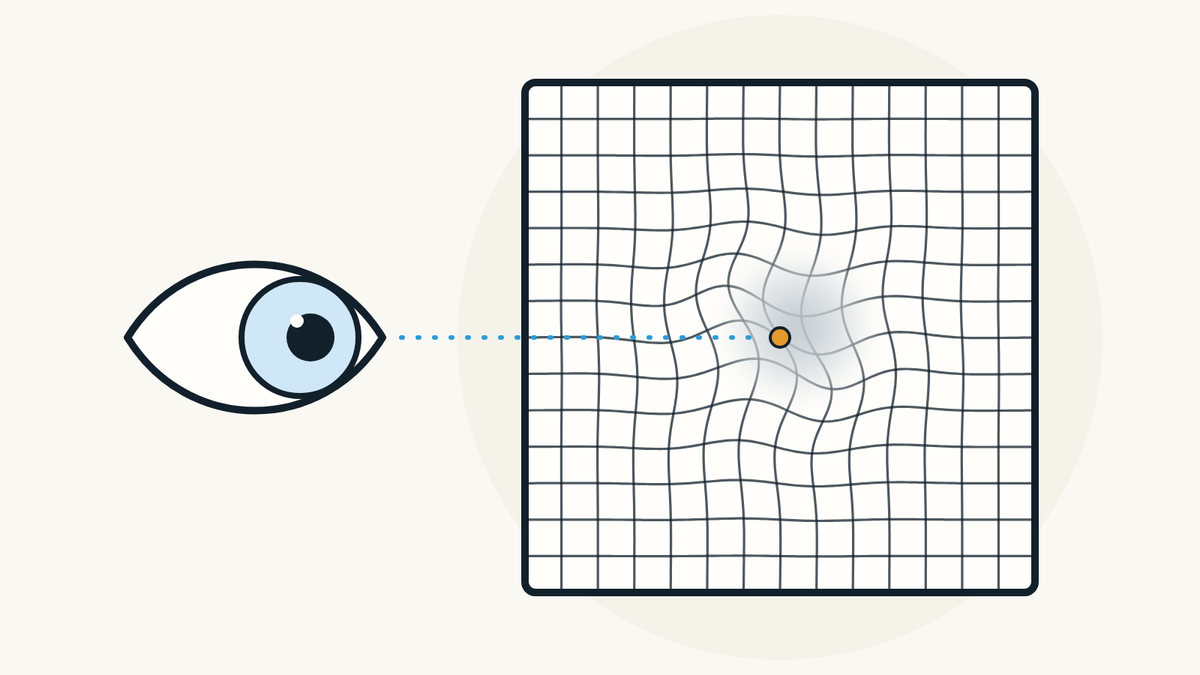
Illustration of an eye looking at an Amsler grid whose lines bend and blur around the centre dot.
Advice

Macular Degeneration (AMD): Early Signs and the Amsler Grid

Age-related macular degeneration explained: what it does to central vision, the early signs by stage, dry and wet AMD, risk factors, how to use the Amsler grid at home, when to see an eye doctor right away, how it is found with OCT, the treatments, and the habits linked to a lower risk.

Illustration of a calendar page with its last day marked, in front of the next month's page, with a pair of glasses and a contact lens case.
Advice

Use your vision insurance benefits before year's end

In many plans, vision insurance benefits renew on January 1. Check your plan: what to look at, what to bring to the store and how to plan ahead before the end of the year.

Illustration of an eye seen from the front, crossed by a thin vertical beam of light from a lamp at the left, with microscope eyepieces at the right.
Advice

The Slit Lamp Exam: What the Optometrist Looks At

The slit lamp exam explained: what the instrument is, how the exam goes, what the optometrist checks from the eyelids to the lens, why a yellow fluorescein drop is used, how the retina and optic nerve can be seen, whether it hurts, and what to plan if your pupils are dilated.

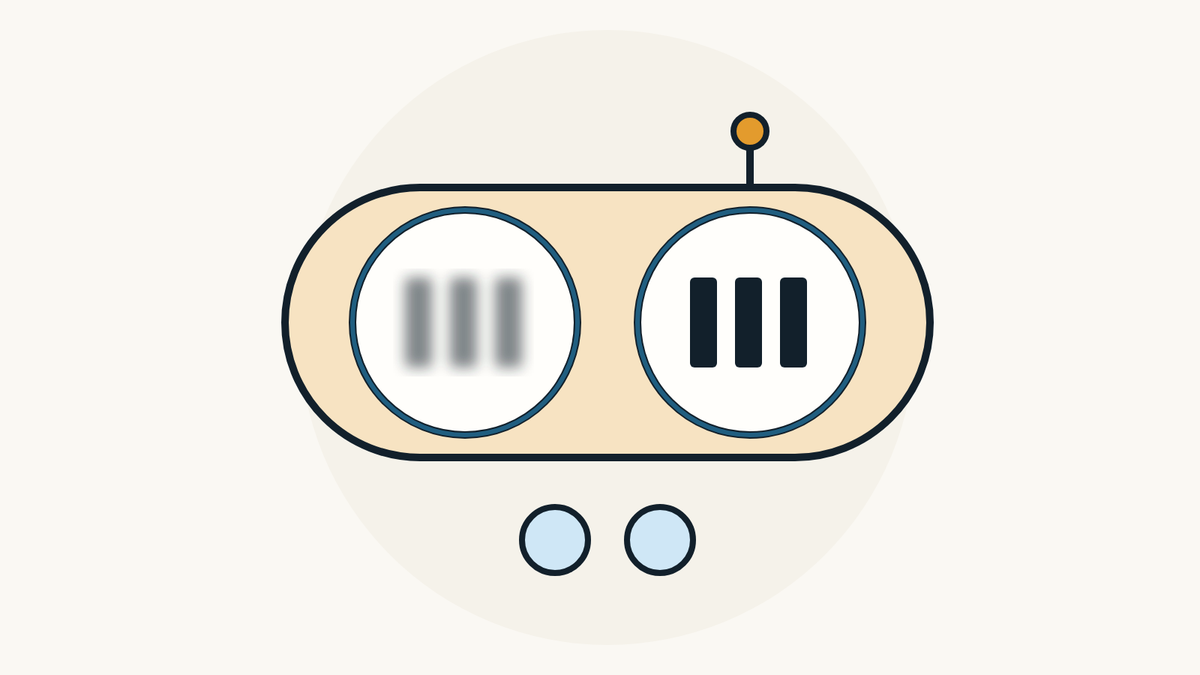
Illustration of a phoropter-like instrument with two round lens windows, one showing blurred bars and the other sharp bars.
Advice

The Refraction Test ("Which Is Clearer, 1 or 2?") Explained

The "1 or 2?" part of the eye exam explained: what a refraction test is, how the phoropter works, what to say when two lenses look the same, why each eye is tested on its own, how near vision is checked after 40, why drops are sometimes used for children, and why refraction alone is not a complete eye exam.

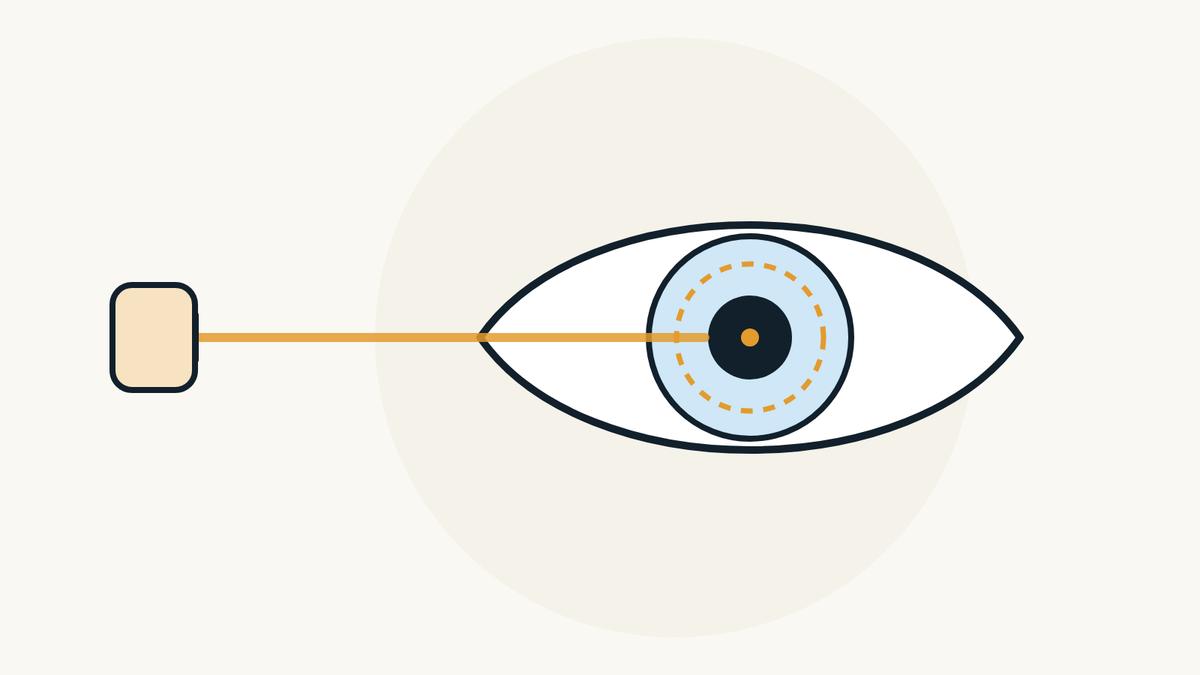
Illustration of a thin beam of light reaching an open eye with a ring of light reflected on the cornea.
Advice

Autorefraction and Keratometry: What These Eye Exam Readings Measure

The instrument you look into at the start of many eye exams, explained: what autorefraction and keratometry measure, how the readings are taken, why they are a starting point for your prescription, how keratometry differs from corneal topography, and why they do not check eye health.

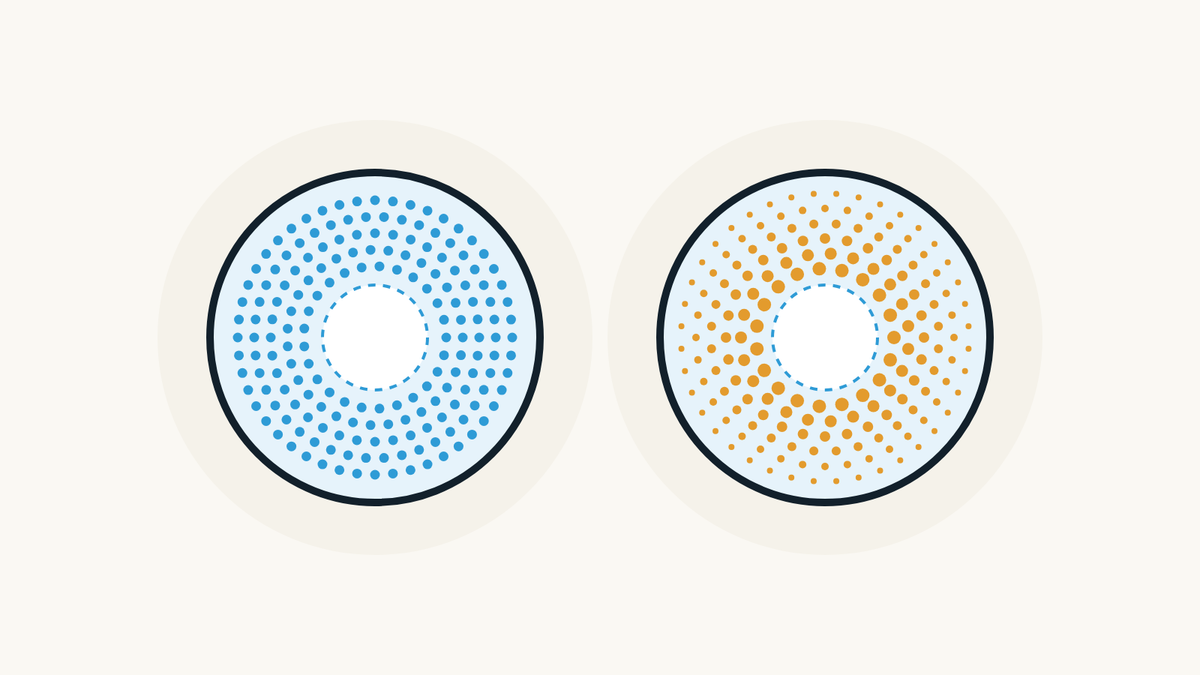
Illustration of two round spectacle lenses with a clear centre, one ringed with small blue dots and one with small orange dots.
Advice

MiyoSmart or Stellest: How the Two Myopia Control Lenses Differ

MiyoSmart (Hoya) and Stellest (Essilor) side by side: how each myopia control lens works, what each clinical trial showed, why the studies cannot name a winner, how many hours a day to wear them, side effects, prescriptions, follow-up, and how the choice is made with the optometrist.

Illustration of two circles: a pair of glasses, and an open eye with a thin beam of light coming down toward it.
Advice

LASIK or Glasses and Contact Lenses: Questions to Ask Before You Decide

Laser eye surgery or staying with glasses and contact lenses: what LASIK is, who can have it, why it does not prevent reading glasses after 40, what results and side effects to expect, why glasses or contacts are sometimes the right choice, and the questions to ask before deciding.

Illustration of three circles: an open eye, an eye with a medical cross above it, and a pair of glasses.
Advice

Optometrist, Ophthalmologist or Optician: Who Should You See?

Who does what for your eyes in Québec: what an optometrist, an ophthalmologist and a licensed optician each do, whether an optometrist can prescribe medication or use the title doctor, how a referral works, who fits contact lenses, and who to see when your vision changes or in an emergency.

Illustration of a small instrument sending three soft air rings toward an open eye.
Advice

Eye Pressure Test (the Air Puff): What It Measures

The air-puff test explained: what tonometry measures, how it works, what a normal eye pressure is, why high pressure does not always mean glaucoma, why corneal thickness matters, how it compares with the contact method, and who should have their pressure checked more often.

Illustration of an eye chart whose lower rows blur out, next to an open eye.
Advice

Blurry Vision: Common Causes and When to See an Optometrist

The common causes of blurry vision: blurry far away or up close, blurry with your glasses, dry eyes, cataracts, diabetes, hormones and pregnancy, migraine, a child who sees blurry, how the cause is found and the signs of sudden blur that need emergency care.

Illustration of a wall calendar with three days checked off and an open eye at its corner.
Advice

How Often Should You Have an Eye Exam? A Schedule by Age

How often to have an eye exam at every age, according to the Ordre des optométristes du Québec and the Canadian Association of Optometrists: children, adults 18 to 39 and 40 to 64, 65 and over, contact lens wearers, diabetes, other risks, and what RAMQ covers each year.

Illustration of an open eye with red vessel lines at the corners, next to an orange pulse ring.
Advice

Eye Pain: Common Causes and When It Is Urgent

The common causes of eye pain, on the surface or deeper in the eye: dry eye, a scratched cornea, something in your eye, pain with contact lenses, uveitis, pain on waking, how the cause is found and the signs that need emergency care.

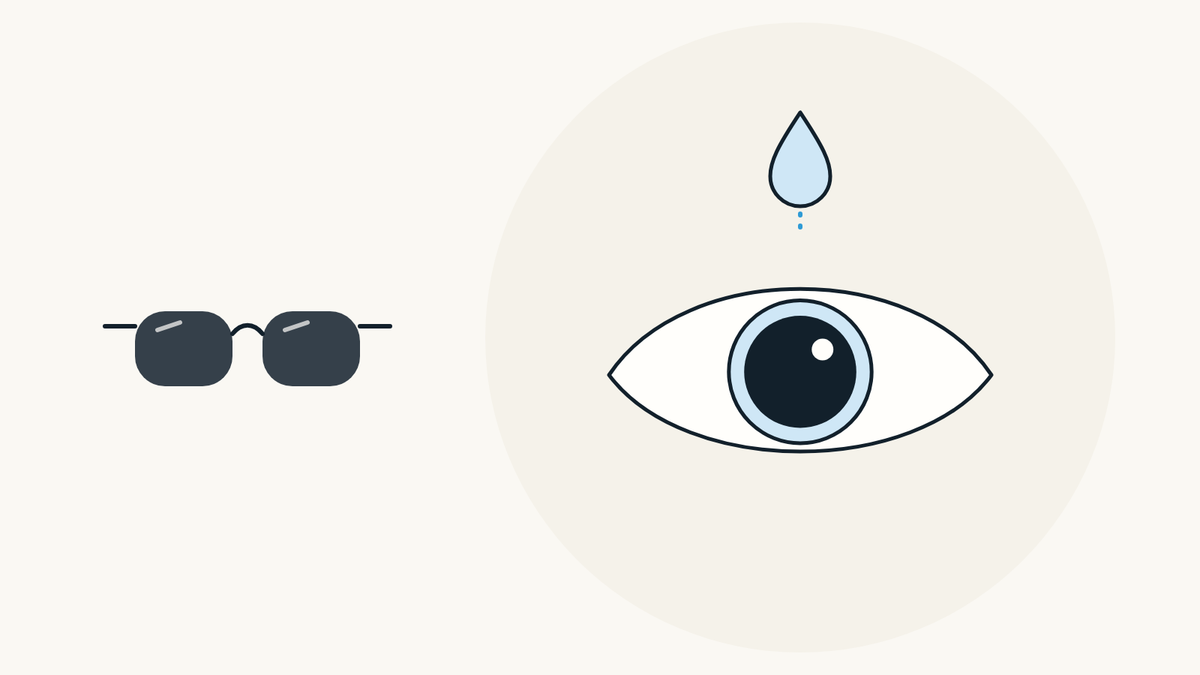
Illustration of an eye whose pupil opens on a retina with red blood vessels, next to a blue drop.
Advice

Diabetes and Your Eyes: Why Regular Eye Exams Matter

How diabetes damages the retina, why diabetic retinopathy often has no early symptoms, how often to have an eye exam with type 1 or type 2 diabetes (Diabetes Canada), what the exam checks, pregnancy, cataract and glaucoma risk, prevention and treatment.

Illustration of a pair of clear rectangular eyeglass frames with translucent blue-tinted rims.
Advice

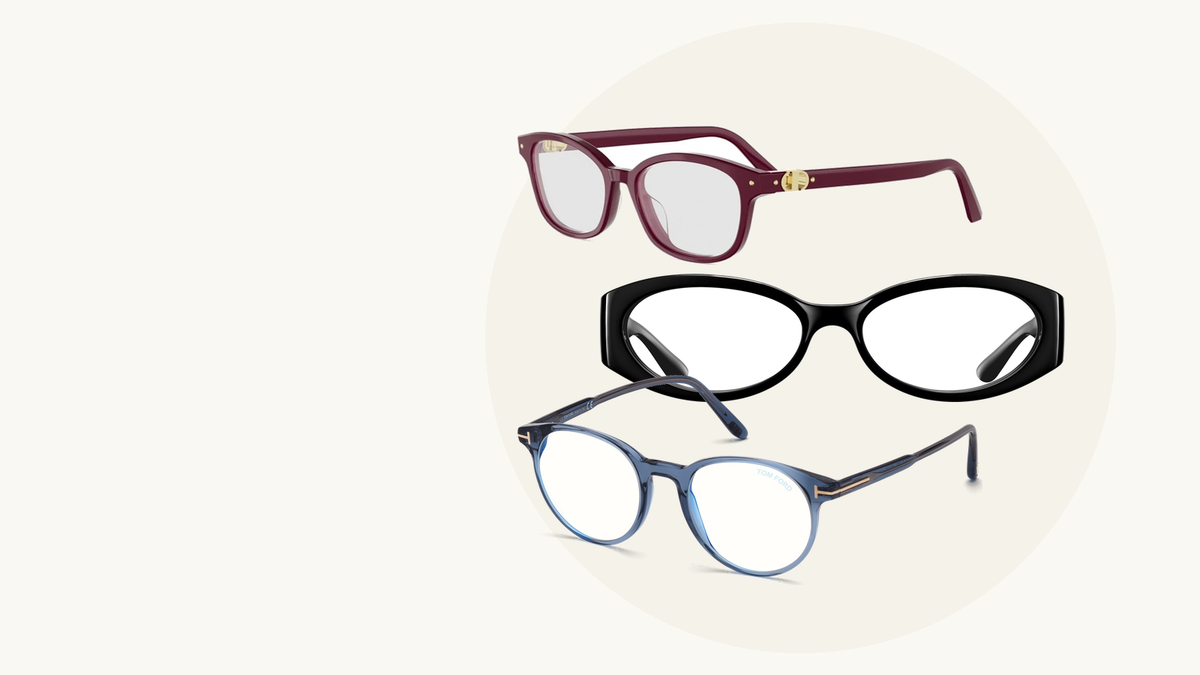
Clear Glasses Frames: What to Know Before You Choose

What clear and transparent glasses frames are made of, whether they turn yellow, how they show lens thickness with a strong prescription, crystal colours, durability, skin allergies, frames for children and clear frames versus rimless glasses.

Illustration of a pair of warm-toned eyeglasses with wide lenses, and a drop of water below them.
Advice

Women's Eyeglass Frames: Size, Shape and Comfort

How to choose women's eyeglasses, the frame size for a narrow or small face, cat-eye glasses, large frames with a strong prescription, frames for progressive lenses, nickel allergy, vision changes in pregnancy, dry eyes and large sunglasses.

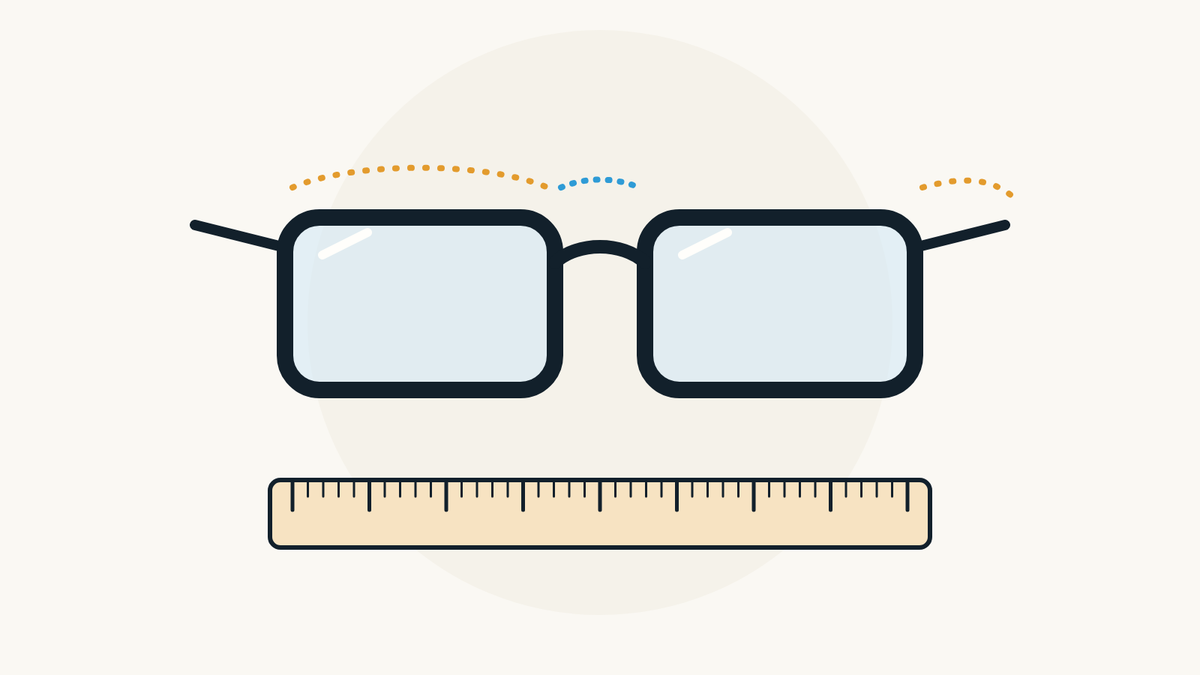
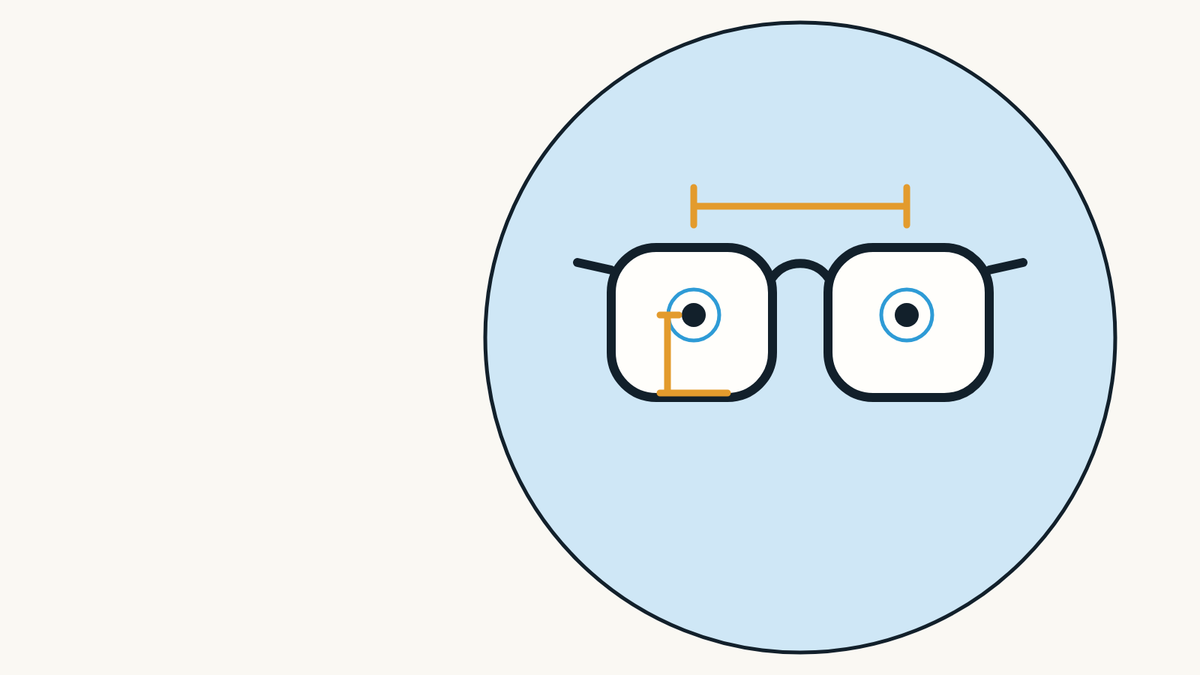
Illustration of a pair of rectangular eyeglasses above a millimetre ruler, with dotted arcs over the lens, the bridge and the temple.
Advice

Men's Glasses Frames: Size, Shape and Material That Suit You

Whether men's glasses really exist, which frame size suits a wide face, the three numbers on the frame, how to check the fit, face shapes, titanium, acetate or metal, rimless frames, strong prescriptions, work and sports, sunglasses and colour blindness.

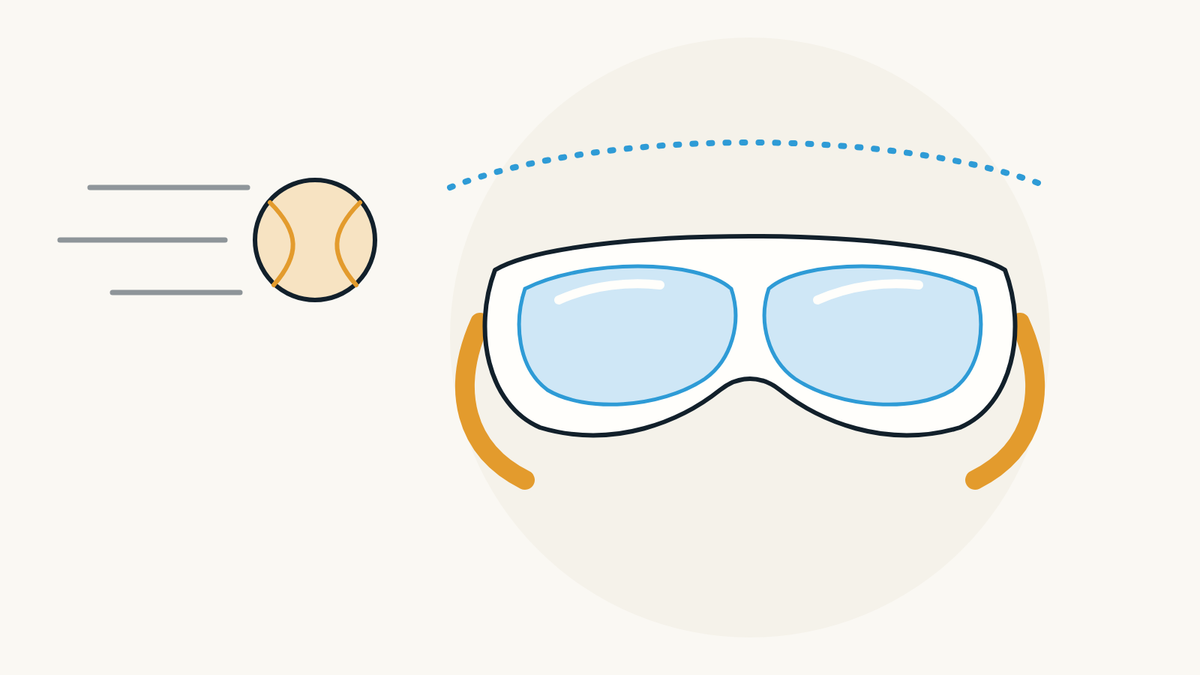
Illustration of wraparound sports goggles with a strap and two blue lenses, with a ball flying toward them from the left.
Advice

Prescription Sports Glasses and Safety Glasses: How to Protect Your Eyes

Why regular glasses are not protection, how common sports eye injuries are, the riskiest sports, possible injuries, lens materials, standards to look for, prescription options, hockey, skiing and cycling, work and home, children, weaker vision in one eye and what to do after a blow to the eye.

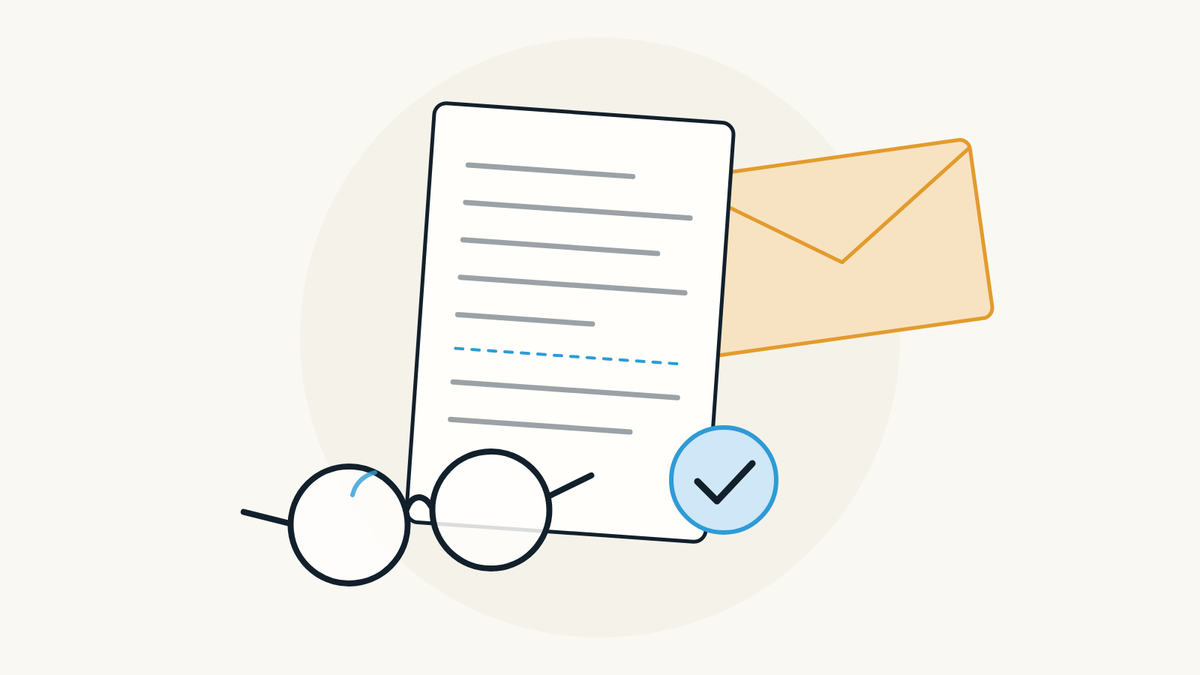
Illustration of a pair of round glasses lying in front of an invoice with a check mark, with an envelope behind it.
Advice

Glasses Reimbursement in Québec: RAMQ, Insurance and Taxes

Who reimburses glasses in Québec, how much RAMQ pays for a child's glasses, who qualifies, eligible and excluded purchases, time limits, how to apply, the invoice, documents to keep, adults and people 65+, what RAMQ covers at the exam, insurance, taxes and the order of steps.

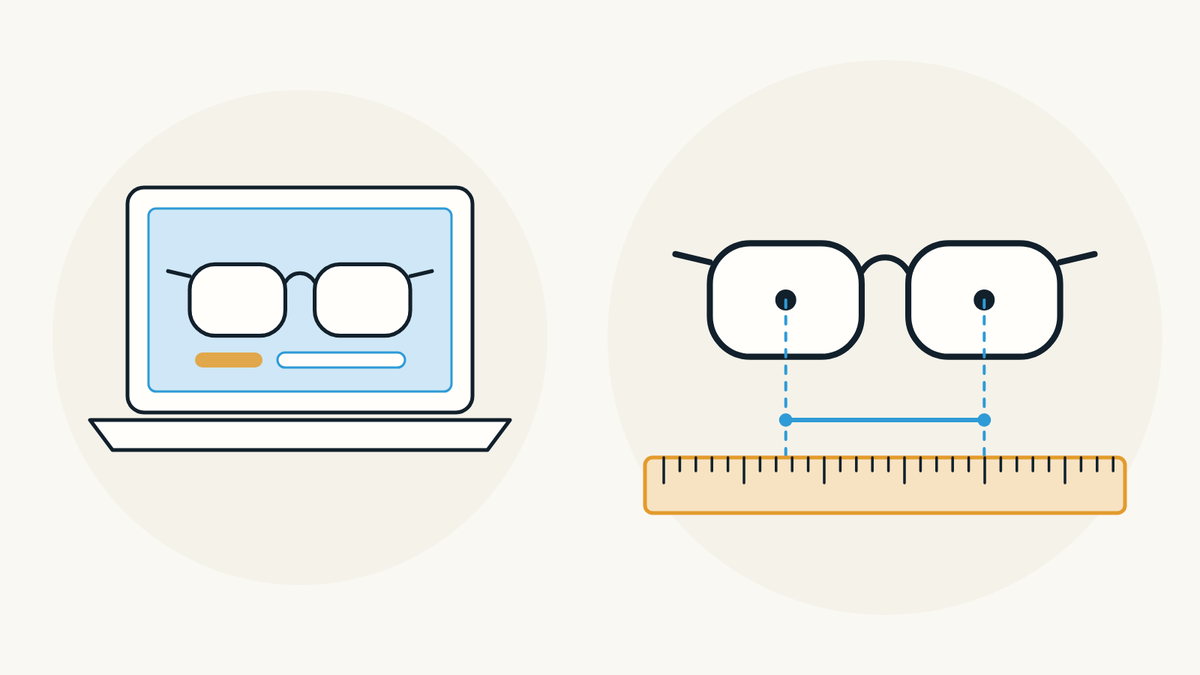
Illustration of a laptop showing a pair of glasses on the left and, on the right, the same frame above a ruler with the distance between the two pupils marked.
Advice

Online Glasses or an Optician: What Changes for Your Eyes

Can you buy prescription glasses online, what Québec law says, what you need to order, what an optician does, what studies found on accuracy, impact and fit, pupillary distance and height, progressives, who should avoid it, signs of poorly made glasses, price, the eye exam and what to do if your glasses bother you.

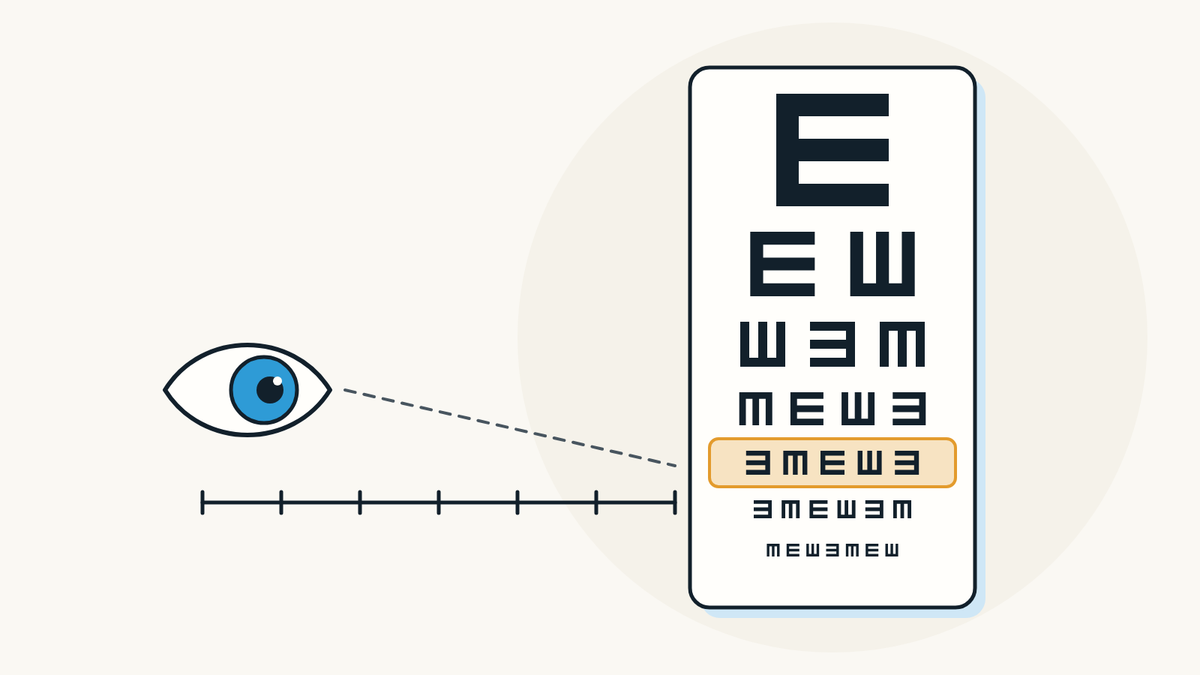
Illustration of an eye looking along a measured line at a chart of E shapes facing different directions, one row highlighted.
Advice

What 20/20 (6/6) Vision Means, and Why It Is Not the Whole Exam

What 20/20 and 6/6 mean, how visual acuity is measured and on which charts, what 20/40, 20/15 and 20/200 mean, why 20/20 is not perfect vision, why you can see 20/20 and still need glasses, what the chart cannot detect, what else a full exam checks, children, age, online tests and legal blindness.

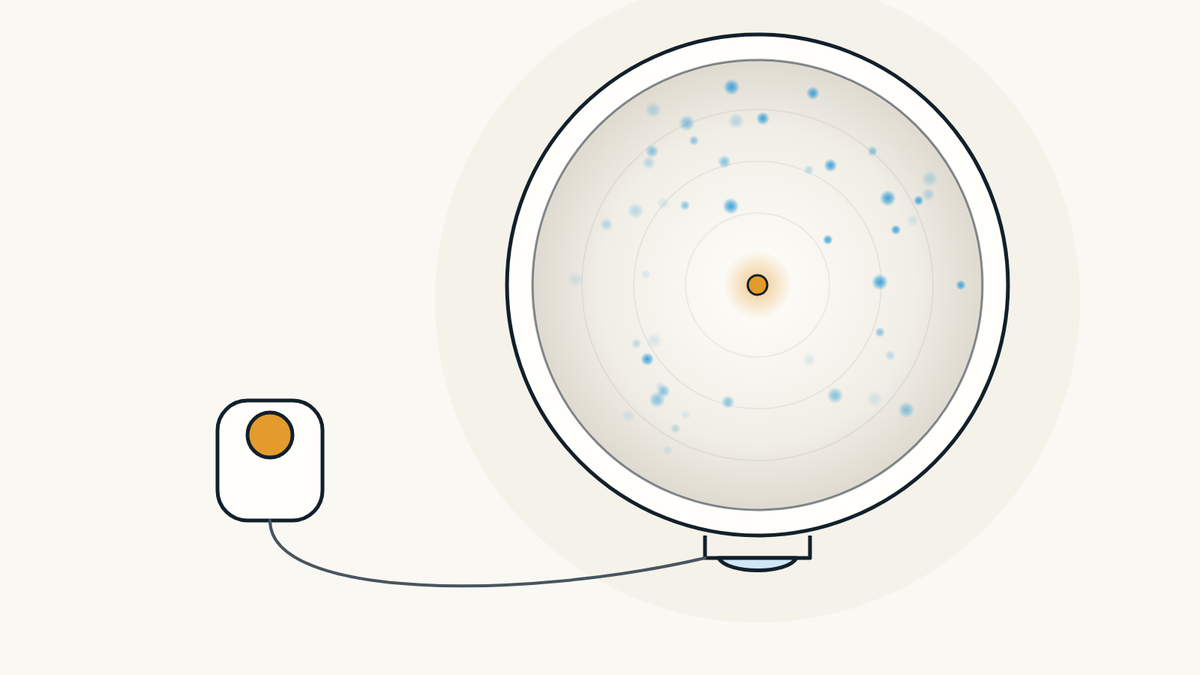
Illustration of the inside of a perimeter bowl seen from the front, with a warm light in the centre, small dots of light scattered across it and a response button on the left.
Advice

Visual Field Test: What It Checks and How It Feels

What the visual field is, what the test checks and why it is done, the kinds of tests, what happens step by step, why missing some lights is normal, how long it takes, how to prepare, how reliability is checked, why it is repeated, how to read the results, how often and what it means for driving.

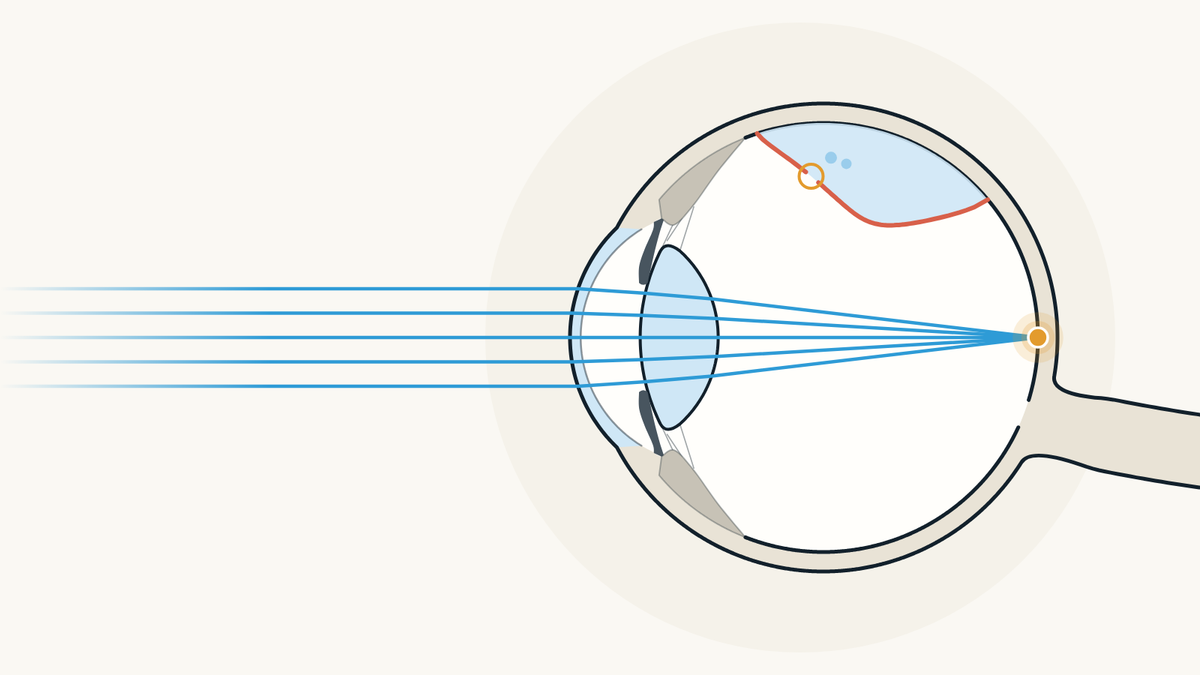
Illustration of an eye seen from the side: light focuses on the retina at the back of the eye, while in the upper part the retina lifts away from the eye wall like a curtain, with a small tear and fluid underneath.
Advice

Retinal Detachment: Warning Signs, Types and Treatment

What a retinal detachment is, the warning signs and the curtain, why it is an emergency and why the macula matters, the three types, risk factors and diabetes, diagnosis, sealing a tear, the three surgeries, recovery and the gas bubble, results, glasses afterwards and who should get checked.

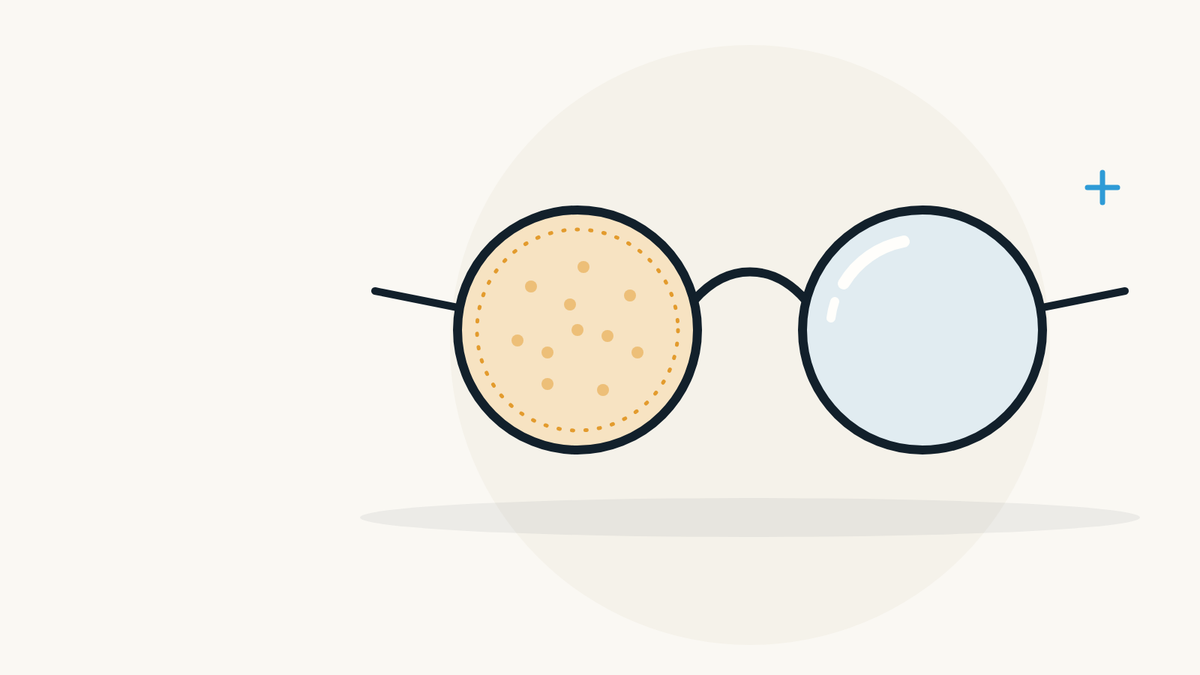
Illustration of a pair of small round glasses, one lens covered by a fabric eye patch and the other lens clear.
Advice

Lazy Eye (Amblyopia) in Children: Signs, Causes and Treatment

What lazy eye (amblyopia) is, how it differs from strabismus, its causes, the signs parents may notice and why it often goes unnoticed, why early detection matters, how it is found, glasses, the eye patch, atropine drops, screen-based treatments, how long treatment lasts, whether it can come back, teens and adults, and how to help your child.

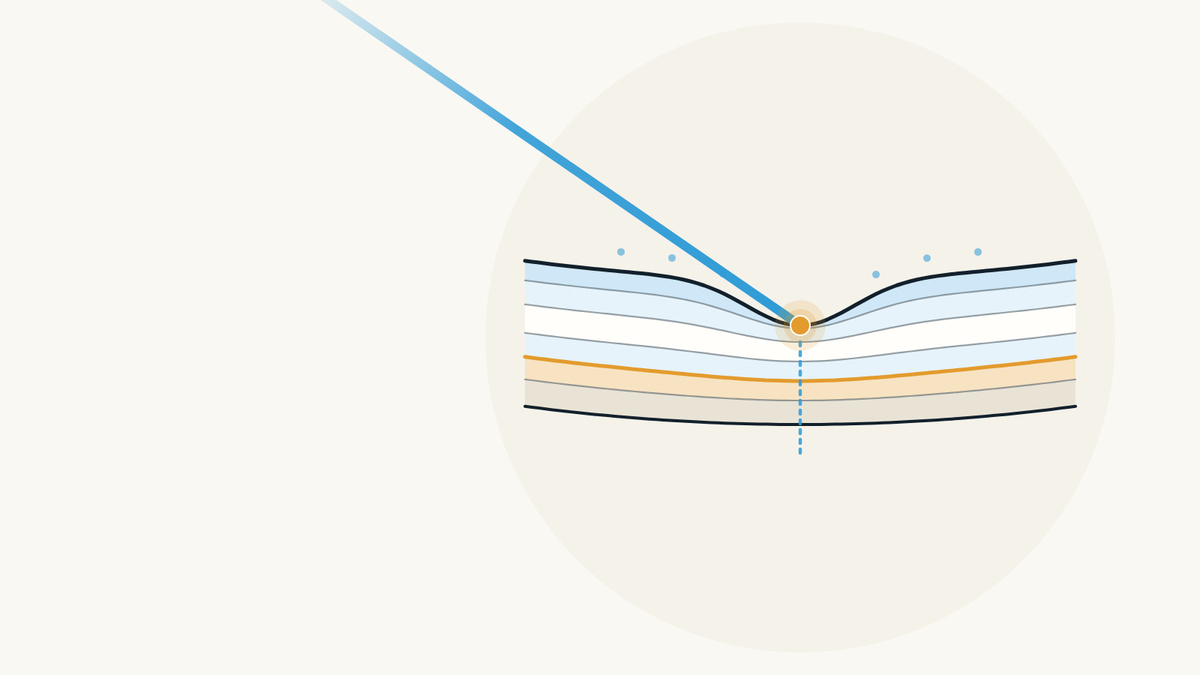
Illustration of the retina in cross-section, its layers stacked with a dip at the centre, and a beam of light coming in from the upper left onto that central point.
Advice

What Is an OCT Scan and What Does It Show?

What an OCT scan is, how it works, what it shows, the conditions it helps find and follow (glaucoma, AMD, diabetic macular edema, macular hole and pucker), whether it hurts, dilation, how long it takes, OCT vs fundus photo, limits, who needs it and how often, and how to read the results.

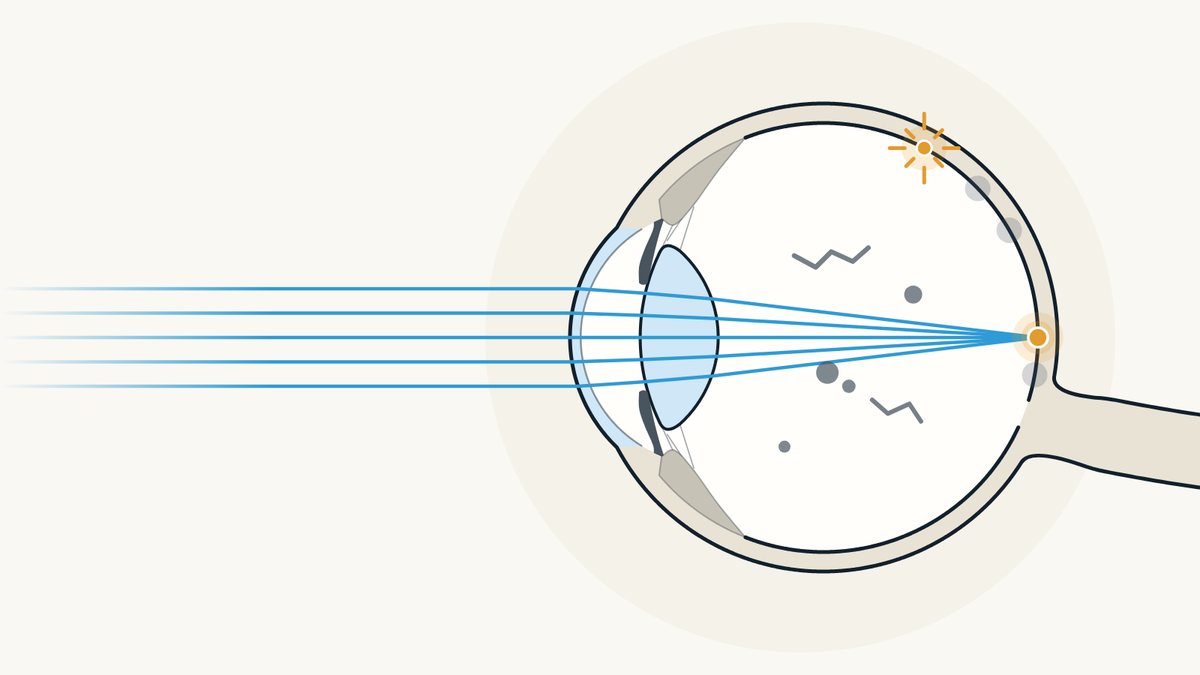
Illustration of an eye seen from the side: light focuses on the retina, small floaters drift in the gel inside the eye and a small flash appears at the top of the retina.
Advice

Floaters and Flashes: When Are They an Emergency?

What floaters and flashes are, why they increase with age, who gets them more, when they are an emergency, retinal tears and detachment, migraine flashes, what to do, how they are checked and treated, follow-up and prevention.

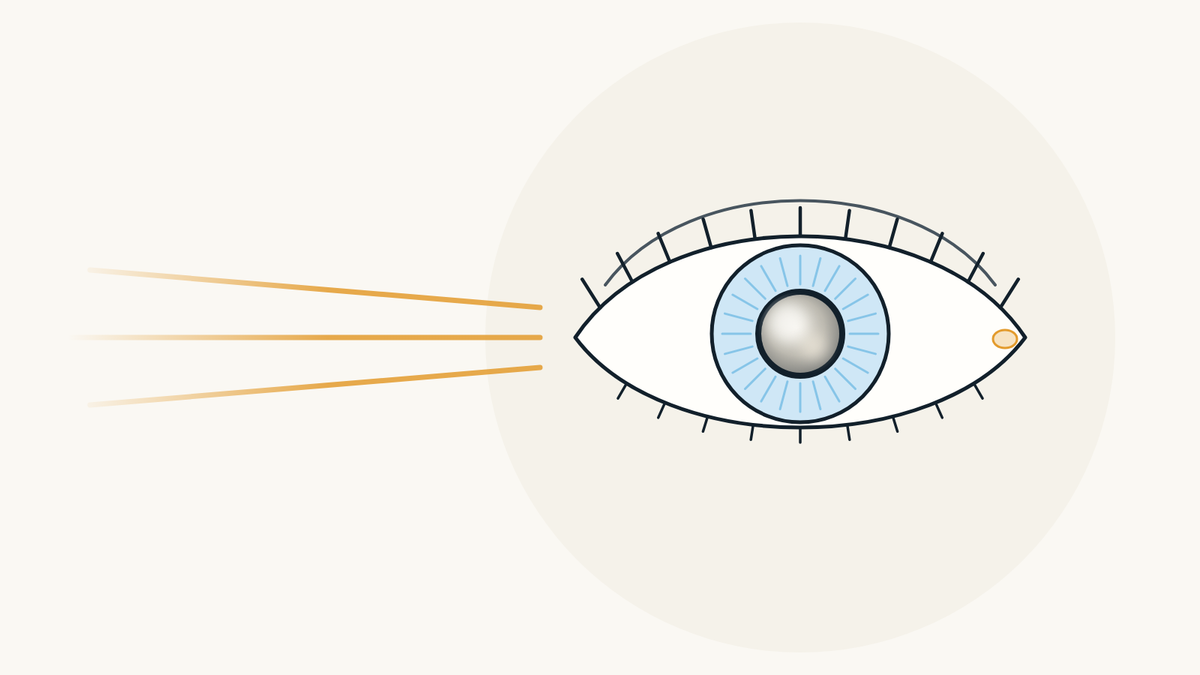
Illustration of an eye seen from the front with a milky haze over the pupil, and soft lines of light coming from the left.
Advice

Cataracts: What They Are and When Surgery Is Discussed

What a cataract is, its symptoms, glare and night driving, age and risk factors, the types, how it is found, when glasses help, when surgery is discussed, what the operation involves, recovery and risks, glasses afterwards, cloudy vision after surgery and what may slow cataracts.

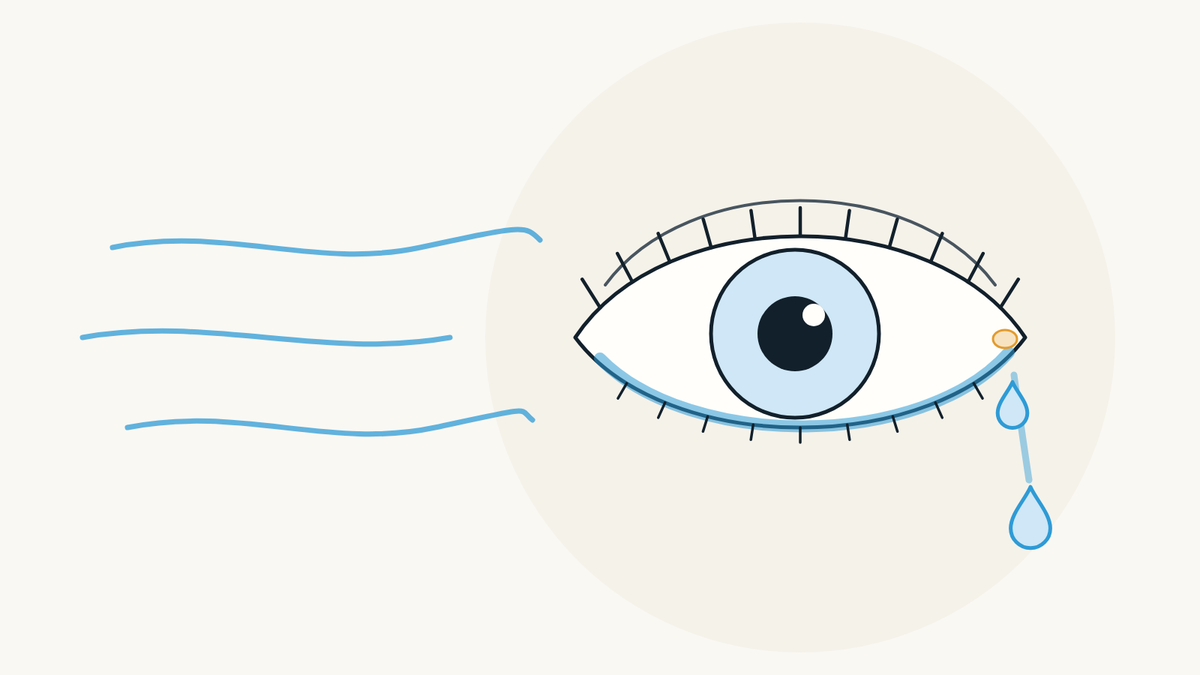
Illustration of an eye seen from the front with tears pooling along the lower lid and drops running from the inner corner, with wind lines coming from the left.
Advice

Watery Eyes: Why They Happen and What Helps

Why eyes water, how tears drain, why dry eyes can water, cold and wind, allergies, a blocked tear duct and tear sac infection, eyelid problems, something in the eye, other causes and medicines, babies, what helps at home, how the cause is found, treatments and when to get checked.

Illustration of an eye seen from the side, light entering from the left, with the optic nerve at the back of the eye marked by a warm glow.
Advice

Glaucoma: Risk Factors and Why It Is Found by Testing, Not Symptoms

What glaucoma is, its symptoms and why it is not felt at first, the emergency signs of an angle-closure attack, the types, risk factors, heredity, eye pressure, how it is found, how often to get checked, young people, prevention and treatment.

Illustration of two eyes seen from the front: one looks straight ahead, the other turns in toward the nose, with the light reflection off-centre in its pupil.
Advice

Strabismus (Eye Turn) in Children and Adults: Signs, Causes and Treatment

What strabismus is, esotropia, exotropia and hypertropia, causes in children and adults, the signs, false strabismus in babies, why children do not outgrow it, its effect on vision, double vision in adults, the tests, treatments, surgery and when to get checked.

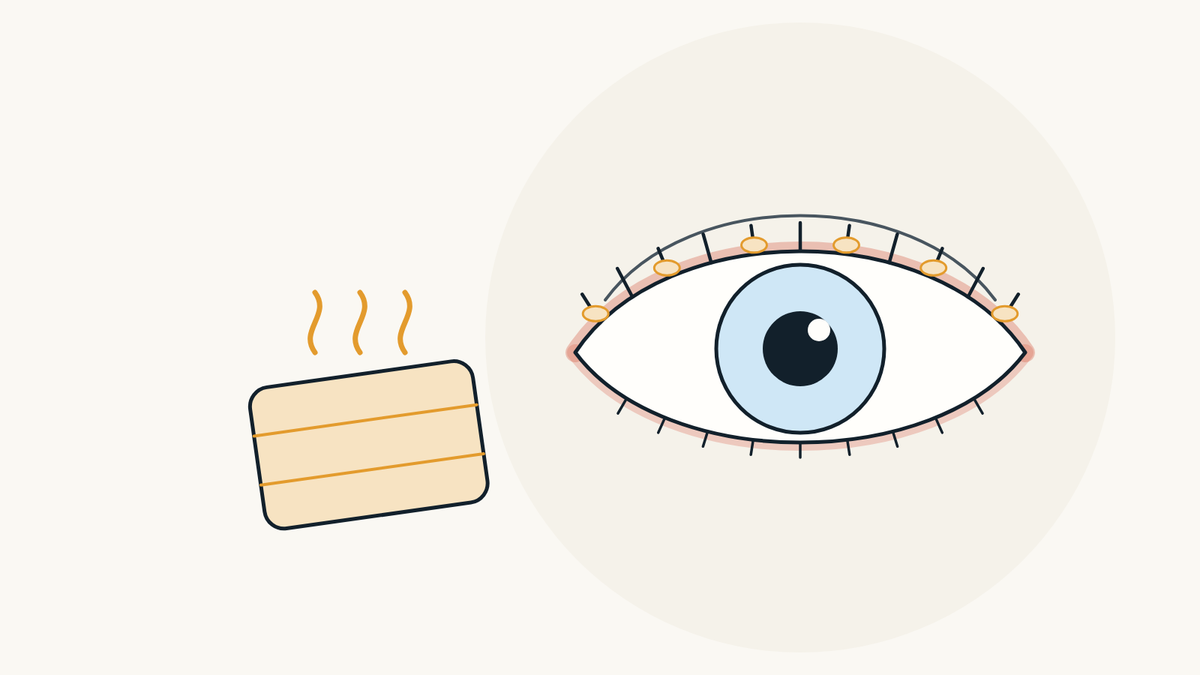
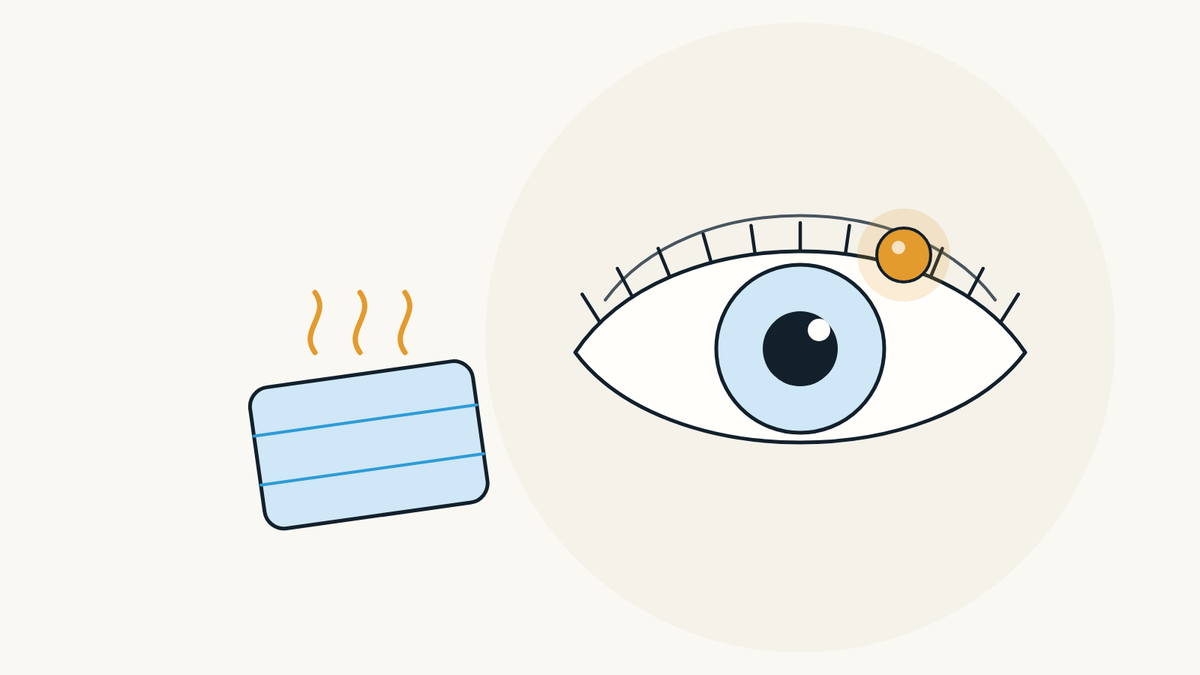
Illustration of an eye seen from the front with reddened eyelid edges and small crusts at the base of the upper lashes, beside a folded warm compress.
Advice

Blepharitis: Itchy, Crusty Eyelids, What Helps and When to Get Checked

What blepharitis is, its symptoms, anterior and posterior types, causes including Demodex mites, whether it is contagious, the daily eyelid cleaning routine, the warm compress, makeup and contact lenses, treatments, complications and when to get checked.

Illustration of an eye looking at a colour test plate made of blue, green, orange and red dots.
Advice

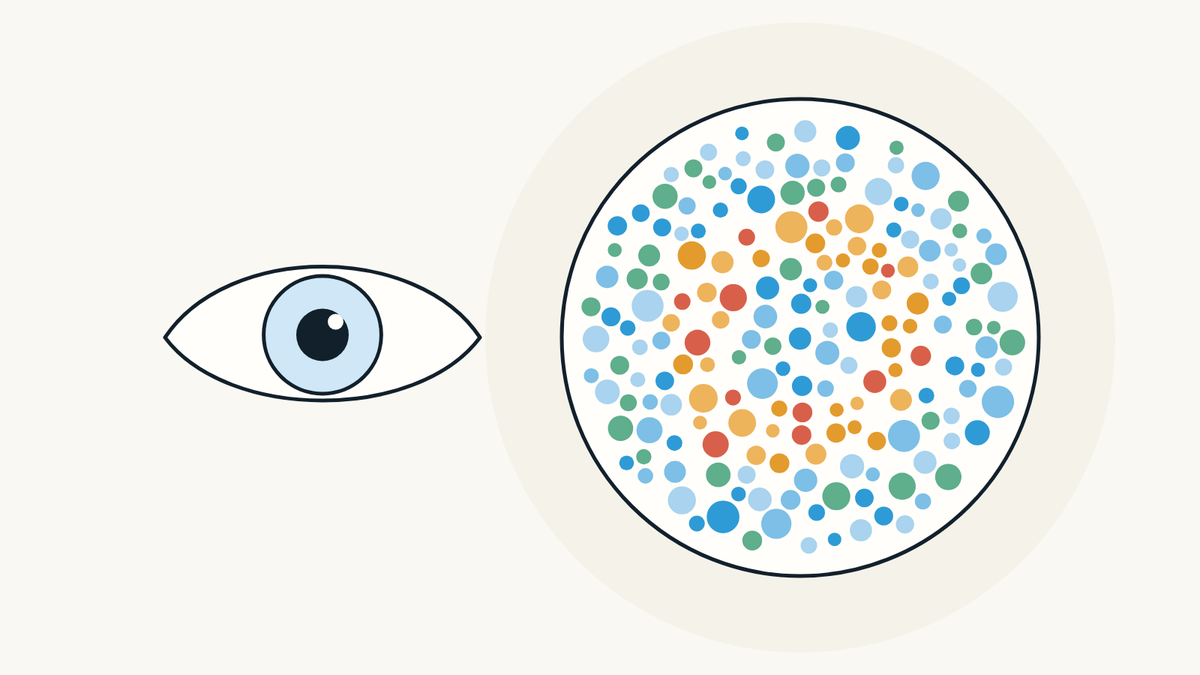
Color Blindness: What It Is, How It Is Tested and What Helps

What color blindness is, its types, why it mostly affects men, how it can appear later in life, how colour vision is tested, spotting it in children, cures and colour-blind glasses, jobs, daily tips and when a change in colour vision needs prompt care.

Illustration of an eye looking along a dotted line at an open book held far away, under a reading lamp.
Advice

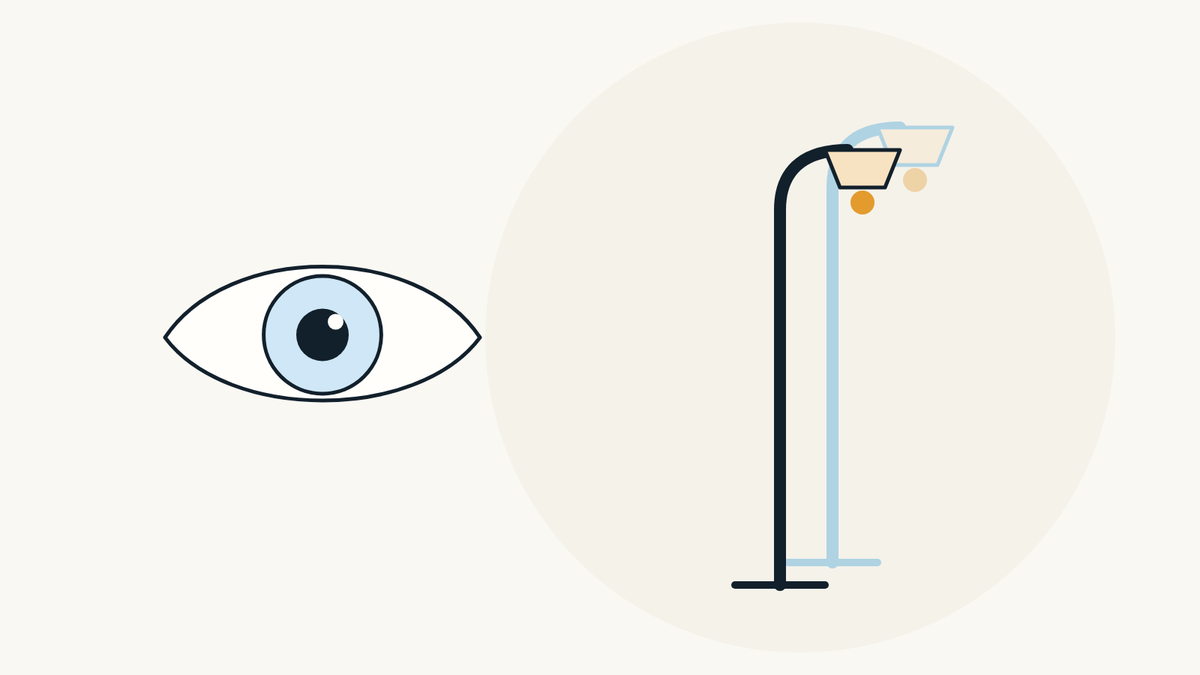
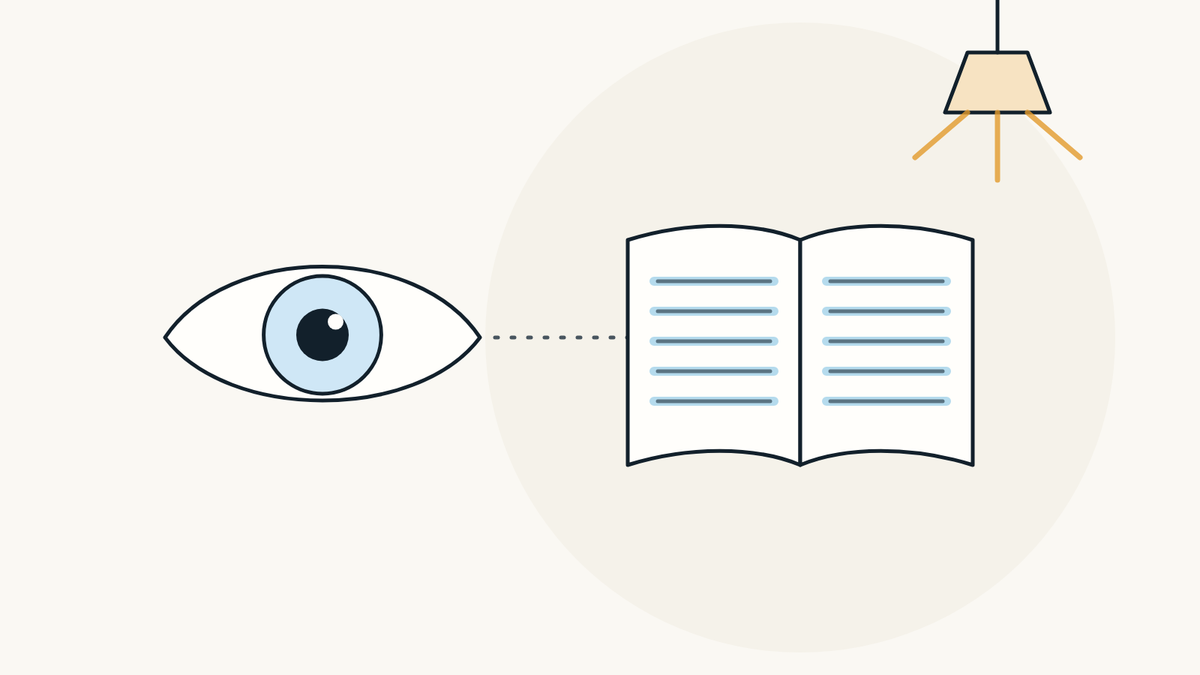
Presbyopia: Why Close-Up Reading Gets Harder After 40

What presbyopia is, when it starts, its symptoms and cause, how it differs from farsightedness, whether it can be prevented, drugstore readers, glasses and contact lens options, drops and surgery, how often to update glasses and when a change in vision is urgent.
Illustration of an eye with small amber motion marks under the lower eyelid, beside a steaming cup and a crescent moon.
Advice

Eye Twitching: Common Causes, What Helps and When to Get Checked

What eyelid twitching (myokymia) is, what sets it off, whether it is serious, how long it lasts, what helps, the link with dry eyes and eye strain, blepharospasm and hemifacial spasm, the treatments, and when to get checked.

Illustration of a pair of glasses with two eyes behind the lenses, a zigzag arc above them like a migraine aura, and small ache marks at the temples.
Advice

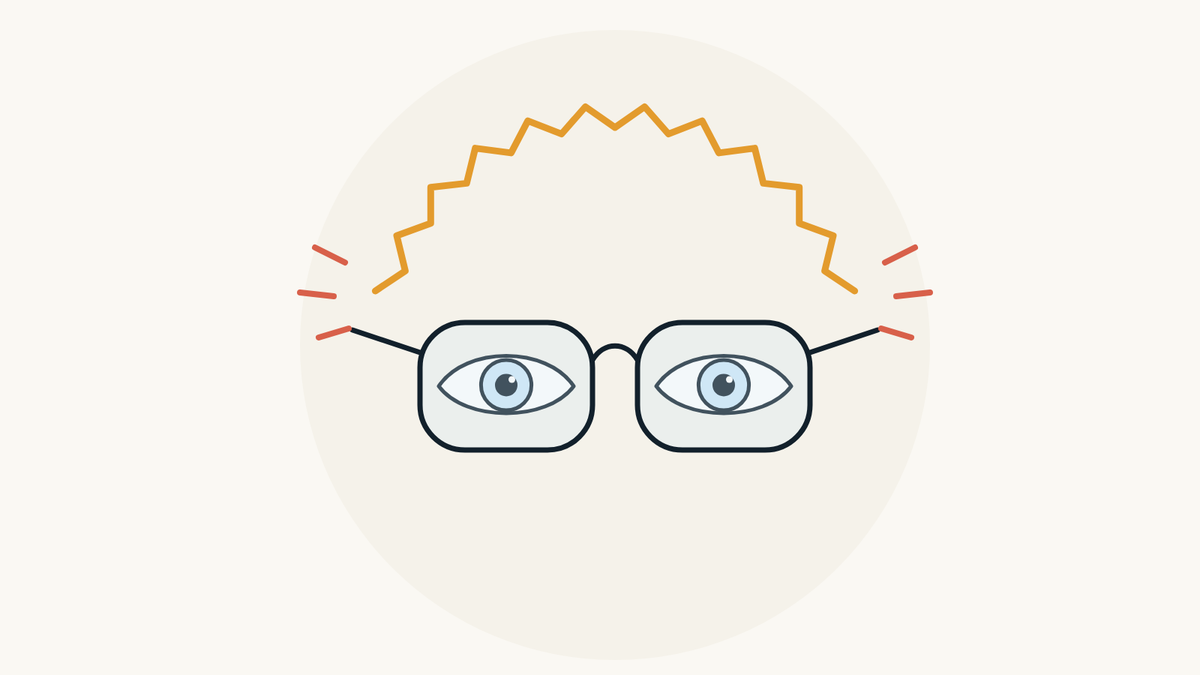
Headaches and Your Eyes: When Vision Is the Cause and When It Is Urgent

Which vision problems can cause headaches, screens and the 20-20-20 rule, what an ocular migraine and a visual aura are, why one eye matters, the warning signs of angle-closure glaucoma and giant cell arteritis, and what the eye exam checks.

Illustration of an eye seen from the front with a small amber bump on the edge of the upper eyelid, beside a folded warm compress.
Advice

Styes and Chalazia: What to Do and When to Get Checked

The difference between a stye and a chalazion, their symptoms and causes, how to use a warm compress, why not to squeeze them, makeup and contact lenses in the meantime, how long they last, the treatments and when to get checked.

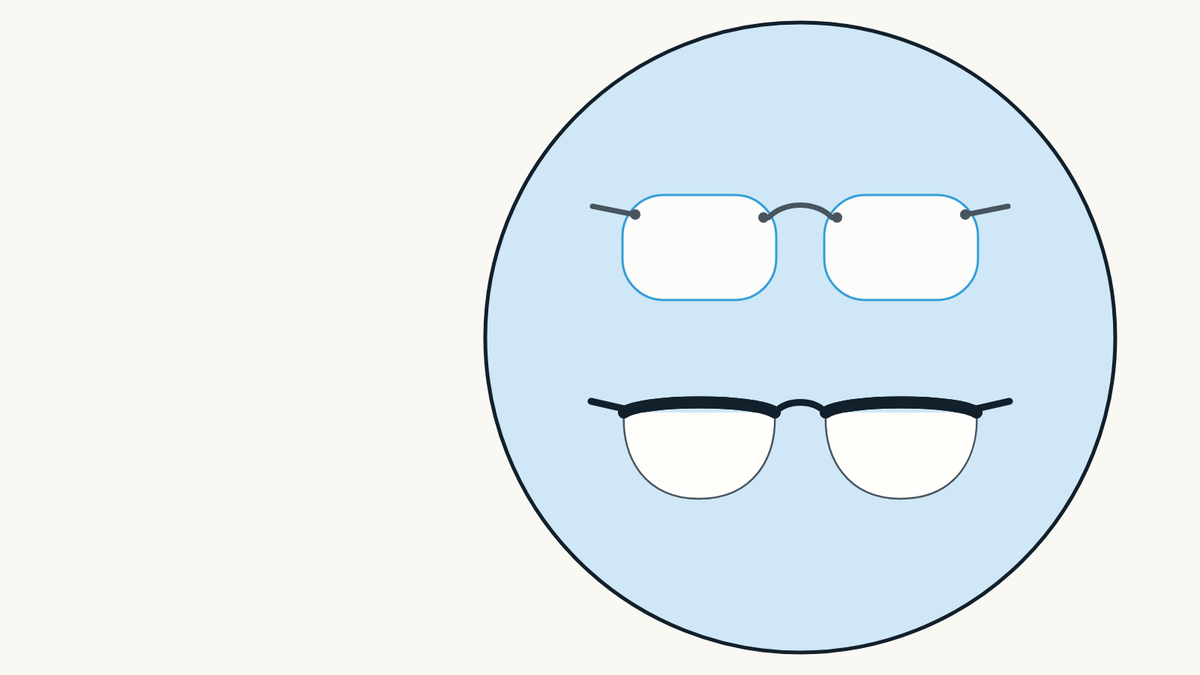
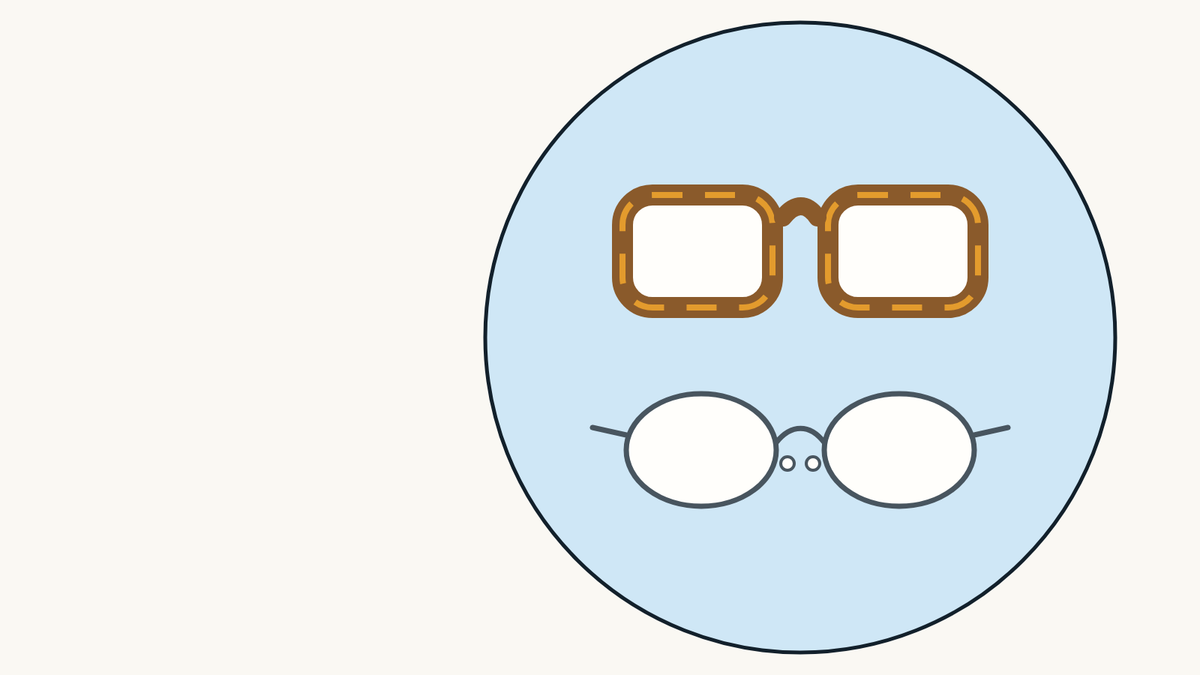
Illustration of two pairs of glasses: a rimless pair with drilled lenses above a semi-rimless pair with a frame along the top only.
Advice

Rimless and Semi-Rimless Glasses: Pros and Cons

What rimless and semi-rimless glasses are, how they hold together, their upsides and downsides, which lenses work in a drilled frame, whether drilling can crack a lens, and whether they suit strong myopia, children and sports.

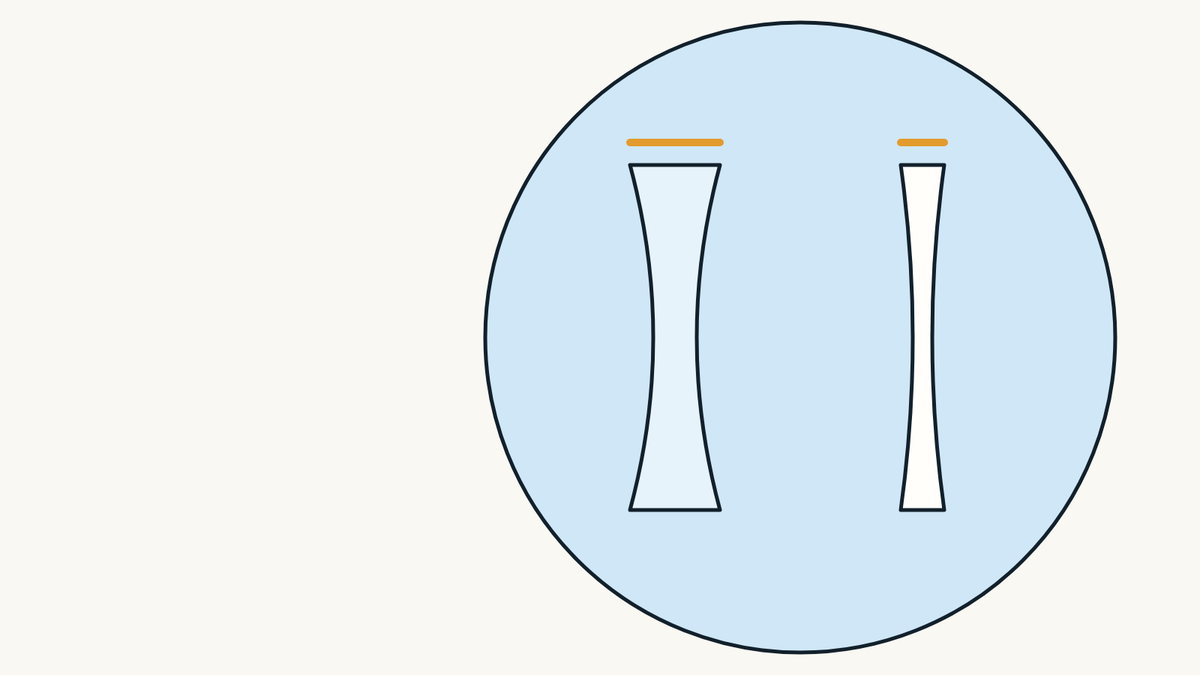
Illustration of two lens cross-sections with the same correction: a standard lens with thick edges beside a thinner high-index lens.
Advice

Lens Thickness: Why the Same Prescription Can Look Thinner

Why lenses for myopia are thick at the edges and lenses for hyperopia in the centre, how prescription strength and frame size change thickness, what high-index, aspheric and polycarbonate lenses do, whether a thinner lens changes vision, and how to get thinner lenses.

Illustration of two pairs of glasses: a thick brown acetate frame above a thin grey metal frame.
Advice

Titanium, Acetate or Metal Frames: What Is the Difference?

What glasses frames are made of, how acetate, titanium, stainless steel, Monel, aluminum and memory metal differ, which is stronger, whether you can be allergic to a frame, what "hypoallergenic" really means, and which material suits children.

Illustration of a small pair of round red children's glasses with a blue strap, next to a ball and a toy block.
Advice

Glasses for Kids: How to Choose Frames and Lenses

Which lenses a child needs, how to choose a frame that stays on, which material suits which age, how to check the fit, why everyday glasses are not enough for sports, and how to help a child get used to wearing glasses.

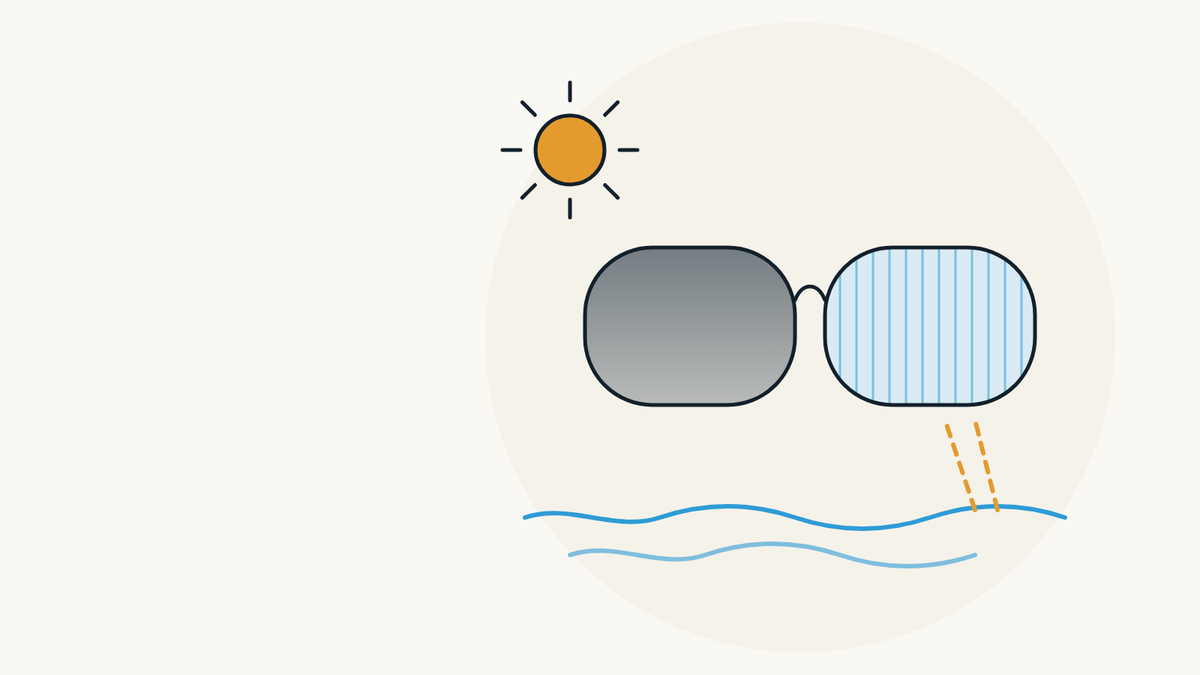
Illustration of the sun with its rays reaching a pair of dark sunglasses.
Advice

Sunglasses and UV Protection: What UV400 Means

What UV400 means on a sunglasses label, why UV matters for your eyes, why a darker, pricier or polarized lens is not automatically safer, how to test quality, and why sunglasses matter in a Montréal winter and for children.

A question about your eyes?

Book an eye exam online, or call the clinic.