How Do You Know You Need New Glasses? Seven Signs
Seven signs you may need new glasses: blur with your glasses on, squinting, headaches, holding text farther away, halos, double or hazy vision and trouble focusing on screens. What is urgent, how often to get checked, and drugstore readers.
By Michel Geha, O.O.D.
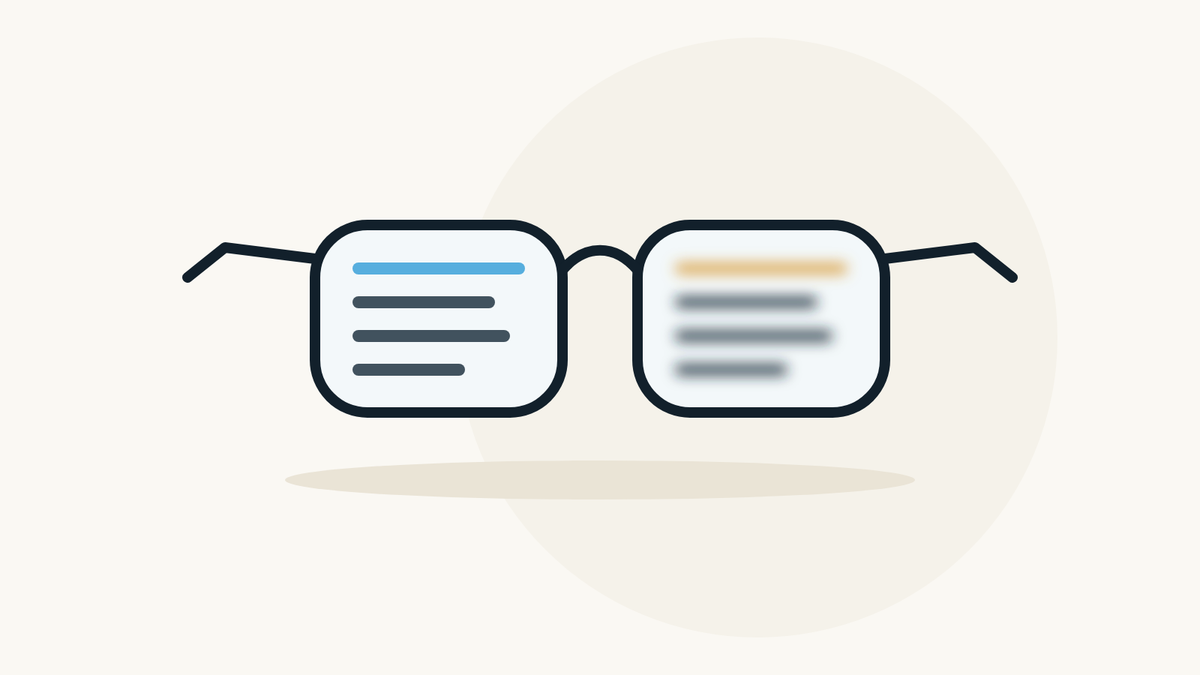
Seven signs often mean you need new glasses: blurry vision even with your glasses on, squinting, headaches, holding text farther away to read it, halos around lights, double or hazy vision, and trouble focusing when reading or using a screen. An eye exam confirms whether your prescription has changed.
Why is my vision blurry even with my glasses on?
Because your prescription may have changed. According to the National Eye Institute (NEI), blurry vision is the most common symptom of a refractive error such as nearsightedness, farsightedness, astigmatism or presbyopia. The NEI adds that if you wear glasses and still have these symptoms, you might need a new prescription.
The blur can affect distance vision (a street sign, the TV) or near vision (a menu, your phone). Either way, tell your optometrist: the NEI advises telling your eye doctor if your vision gets worse or if your glasses are giving you trouble.

Is squinting a sign you need new glasses?
Yes, it is one of the signs. The NEI lists squinting among the symptoms of a refractive error: people do it without thinking to see more sharply.
The American Academy of Ophthalmology (AAO) explains that some people get facial muscle fatigue from squinting for long periods because they are not wearing the correct glasses. If the people around you notice you squint at the TV or while driving, it's time to have your vision checked.

Can my headaches come from my glasses?
They can. The NEI lists headaches and eye strain (eyes that feel tired or sore) among the symptoms of a refractive error. According to the AAO, an incorrect prescription for glasses or contacts can cause blurriness and make that feeling of strain worse.
The AAO also notes that uncorrected presbyopia can bring headaches and eye strain. Headaches have many other causes: an eye exam tells you whether your eyes play a part.

Why do I hold my phone farther away to read?
It is often the first sign of presbyopia. According to the Canadian Association of Optometrists (CAO), presbyopia usually becomes noticeable between 40 and 45, as the lens inside the eye loses its flexibility. Its signs include holding reading material at arm's length, blurry vision at normal reading distance and trouble reading in dim light.
It is a normal part of aging, the AAO says, and it can be corrected with reading glasses, progressive lenses or contact lenses. Our article on getting used to progressive lenses covers what comes next if you already wear glasses.

Do halos around lights at night mean I need new glasses?
They can. The NEI lists glare or halos around bright lights among the symptoms of a refractive error. People often notice them at night, around car headlights or street lamps.
It isn't always your prescription. The AAO notes that a change in vision can also point to cataracts, a retinal disease or a general health condition. Mention the halos to your optometrist: an eye exam looks at both your prescription and the health of your eyes.

Is double or hazy vision urgent?
It can be, so have it checked right away. The NEI lists double vision and hazy vision among the symptoms of a refractive error, but the AAO says to see an eye doctor immediately for a change in vision or sudden blurriness, and notes that double vision sometimes warns of a brain condition or nerve injury.
According to the CAO, if sudden blurry vision comes with numbness in the face or body, dizziness or trouble speaking, see a doctor or go to the emergency room right away. Even if your vision clears, the CAO recommends a full eye health exam afterwards. Our urgent eye care page explains how to reach the clinic.

I struggle to focus on my screen: do I need new glasses?
Maybe. The NEI lists trouble focusing when reading or looking at a computer among the symptoms of a refractive error. According to the AAO, if you have trouble seeing your screen, ask your eye care professional about computer glasses, designed for screen distance, about 20 to 26 inches.
Screen fatigue doesn't always come from your glasses. The AAO suggests the 20-20-20 rule: every 20 minutes, look at something at least 20 feet away for at least 20 seconds. If the discomfort continues after these changes, the AAO recommends an exam to check whether you need a new prescription.

Can you need new glasses without any signs?
Yes. The NEI says some people don't notice the symptoms of a refractive error, which is why regular eye exams matter. The change often happens slowly, and you get used to it without realizing.
The CAO agrees: vision and eye health problems are not always accompanied by symptoms you would recognize, and waiting for them to appear carries unnecessary risk. Our article online eye test vs eye exam explains what only a full exam can check.

How often should you have your glasses checked?
Every two years from 20 to 64, according to the CAO, and every year from 6 to 19 and from 65 on. These intervals are for people with no risk factors or symptoms; your optometrist may suggest a different schedule based on your health.
Between 40 and 55, the CAO says it's usually necessary to update your eyewear every two to three years as presbyopia progresses. And any of the seven signs above is a good reason not to wait for your next scheduled visit.

Are drugstore reading glasses enough?
Sometimes, but have the power measured first. According to the AAO, reading glasses can be bought without a prescription, but the power you need should be determined by an eye exam. They only correct near vision, and only when presbyopia is your only vision problem.
The AAO also answers a common worry: wearing reading glasses doesn't make your sight worse faster, and putting them off has no benefit. To compare your options, see our article do you need to spend a lot on glasses?

Where can you get your glasses checked in Montréal?
At PrimeVision, 9520 Boulevard de l'Acadie, Suite 222, in Montréal (Ahuntsic), optometrists and a licensed optician work under one roof. The adult eye exam includes vision and prescription tests, a check of the health of both retinas and OCT imaging (Canon RS-330); automated vision measurement is done with a Nidek Tonoref III. For your new glasses, the shop has more than 4,000 frames across a wide range of prices. The clinic sees children from age 4. RAMQ covers eye exams for children under 18 and adults 65+.
To have your prescription checked, book an eye exam in Montréal. Our prescription glasses in Montréal page presents the shop, and our article glasses or contact lenses helps you choose between the two.

Sources
- Refractive Errors, National Eye Institute.
- Presbyopia, National Eye Institute.
- What Is Presbyopia?, American Academy of Ophthalmology.
- Eye Strain and Sleepy Eyes, American Academy of Ophthalmology.
- Eyeglasses: How to Choose Glasses for Vision Correction, American Academy of Ophthalmology.
- Reasons to See an Ophthalmologist, American Academy of Ophthalmology.
- Presbyopia, Canadian Association of Optometrists.
- Sudden Blurred Vision, Canadian Association of Optometrists.
- Recommended Frequency of the Comprehensive Eye Examination, Canadian Association of Optometrists position statement, reviewed July 2024.
Find our eye care articles useful? Add PrimeVision as a preferred source in Google.
This article is general information and does not replace an eye exam.