Glasses for Kids: How to Choose Frames and Lenses
Which lenses a child needs, how to choose a frame that stays on, which material suits which age, how to check the fit, why everyday glasses are not enough for sports, and how to help a child get used to wearing glasses.
By Michel Geha, O.O.D.
Good glasses for a child have impact-resistant lenses, in polycarbonate or Trivex, and a frame that sits well on a small nose without slipping. The Canadian Association of Optometrists adds one simple test: the child should like their glasses, because they will be more willing to wear them. Here is what to look at, step by step.
Which lenses should a child have?
Impact-resistant ones. According to the CAO, safety is the first priority: polycarbonate and Trivex stand up well to impact and also block UV. All lenses should have a good scratch-resistant coating.
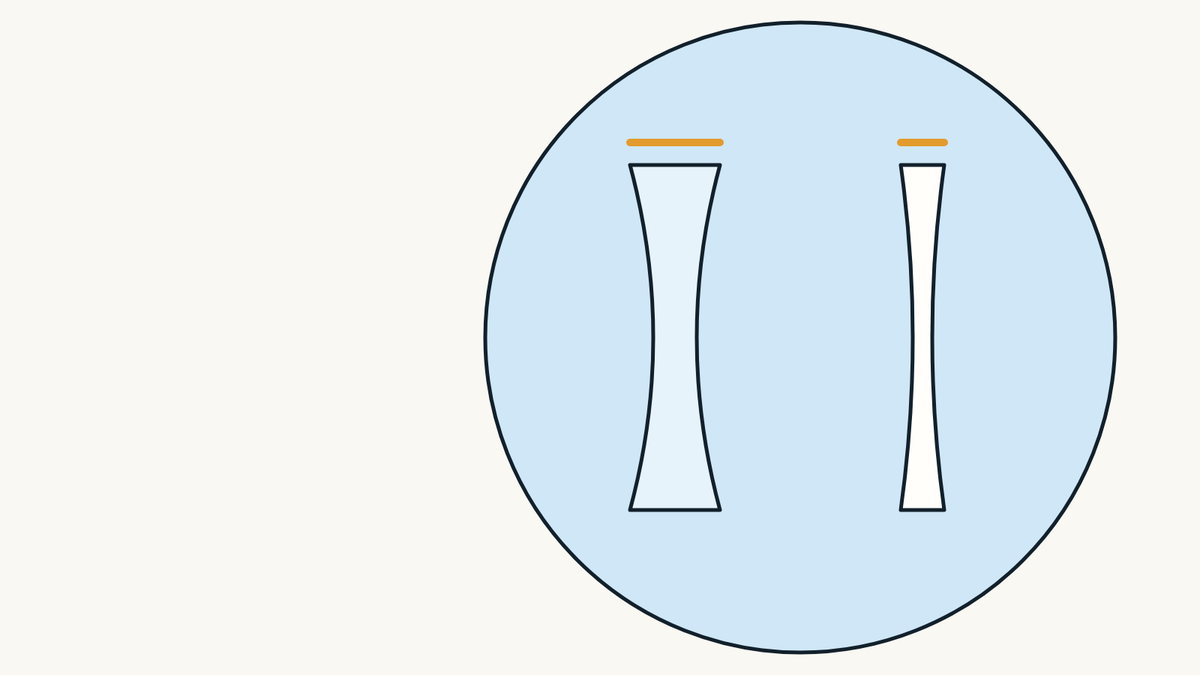
The American Academy of Ophthalmology (AAO) agrees: impact-resistant lenses are safer and preferable for children. Depending on the prescription, the CAO also mentions aspheric or high-index lenses to keep them thin and light. Our article on lens materials compares the options.

Can a child choose their own frame?
Yes, and it is a good idea. The CAO recommends starting by making sure the child likes the style and colour of the frame: a child who is happy with how they look will be more willing to wear their glasses every day.
The choice is then made with the optician, who checks that the frame suits the size of the face and the prescription. Our article on choosing frames that fit your face explains the basics.

Why does a child's nose matter so much?
Because that is where much of the weight of the glasses rests. The CAO explains that children often have a small, flat nose bridge, so certain frames, often with adjustable nose pads, are recommended.
Children's skin can also be sensitive. The CAO advises avoiding large areas of contact between the frame and the skin, especially if the child reacts to some metals. Sizing and choosing the frame call for an experienced fitter.

How do you keep glasses on a young child?
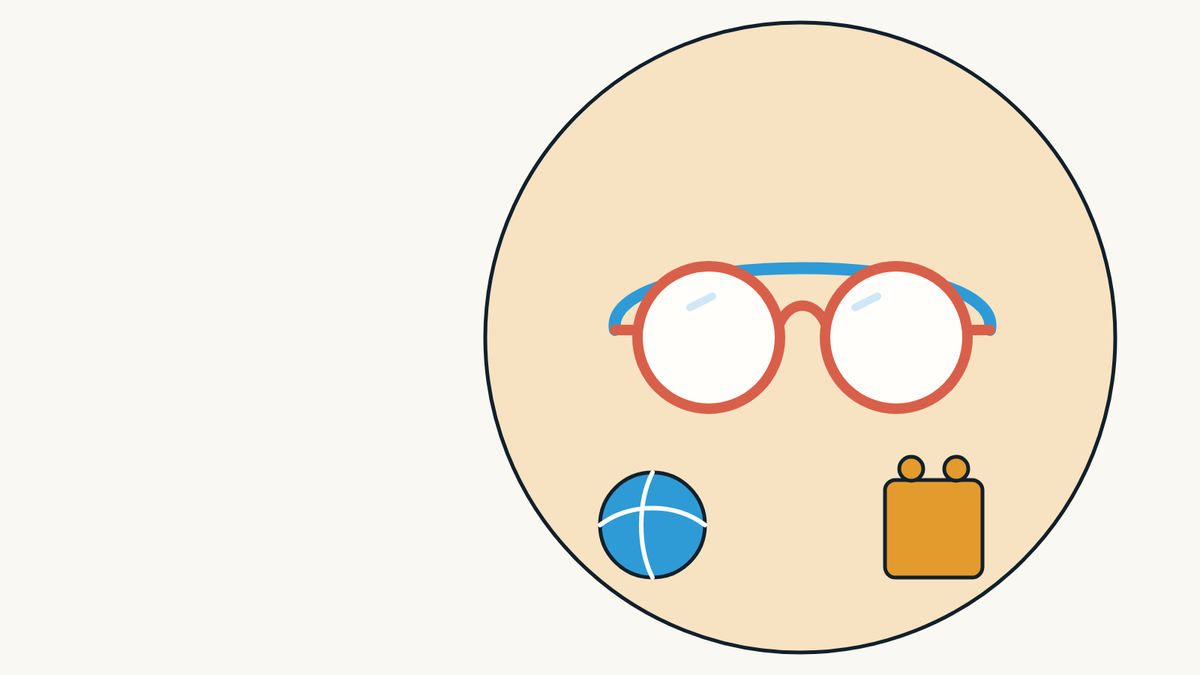
With a few frame options. According to AAO guidelines, straps, cable temples (which wrap around the ear) and spring hinges help keep glasses on active young children. For toddlers, the AAO mentions flexible one-piece frames with a head strap.
The AAO also notes that an accurate fit, kept adjusted, helps a child accept their glasses. Glasses that fall off or pinch end up in the backpack.

Plastic, titanium or flexible metal: which material?
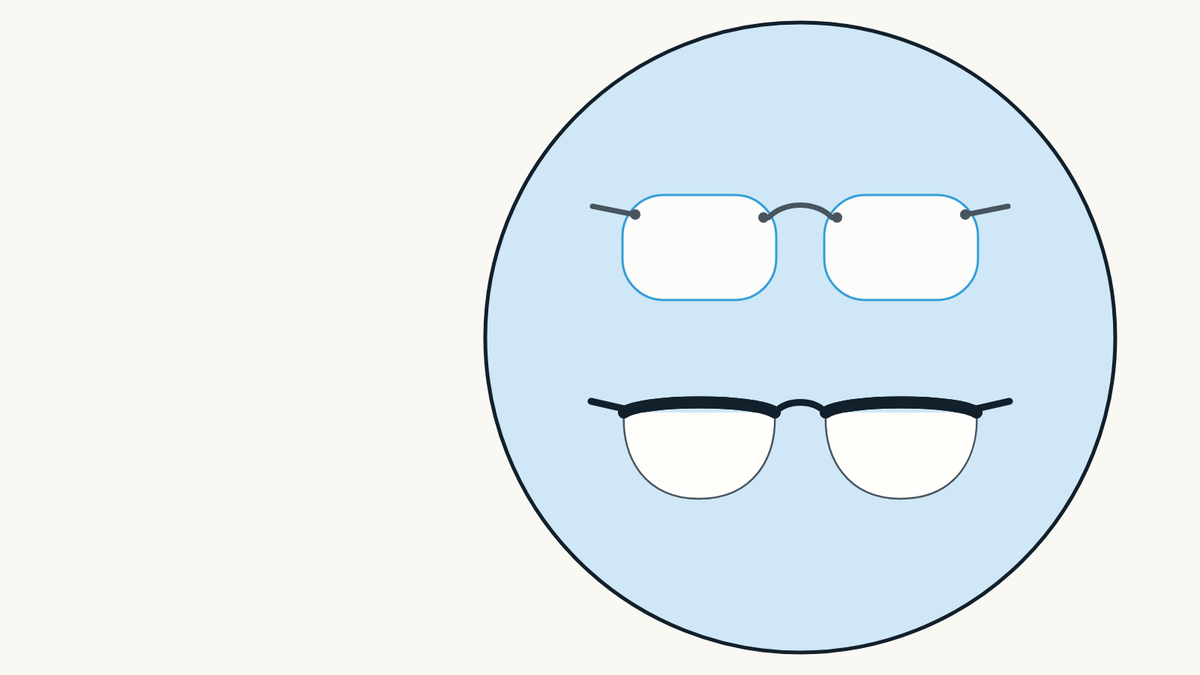
It depends on age. In its guide to frame materials, the AAO suggests soft plastic frames for little ones: they bend and are less likely to hurt the child in a fall. Titanium, strong and light, is a good choice for older children.
For very active kids, the AAO mentions flexible titanium-alloy frames, which spring back into shape after being twisted. Plastic has one drawback: according to the AAO, it breaks more easily than metal.

How can you tell if the glasses fit well?
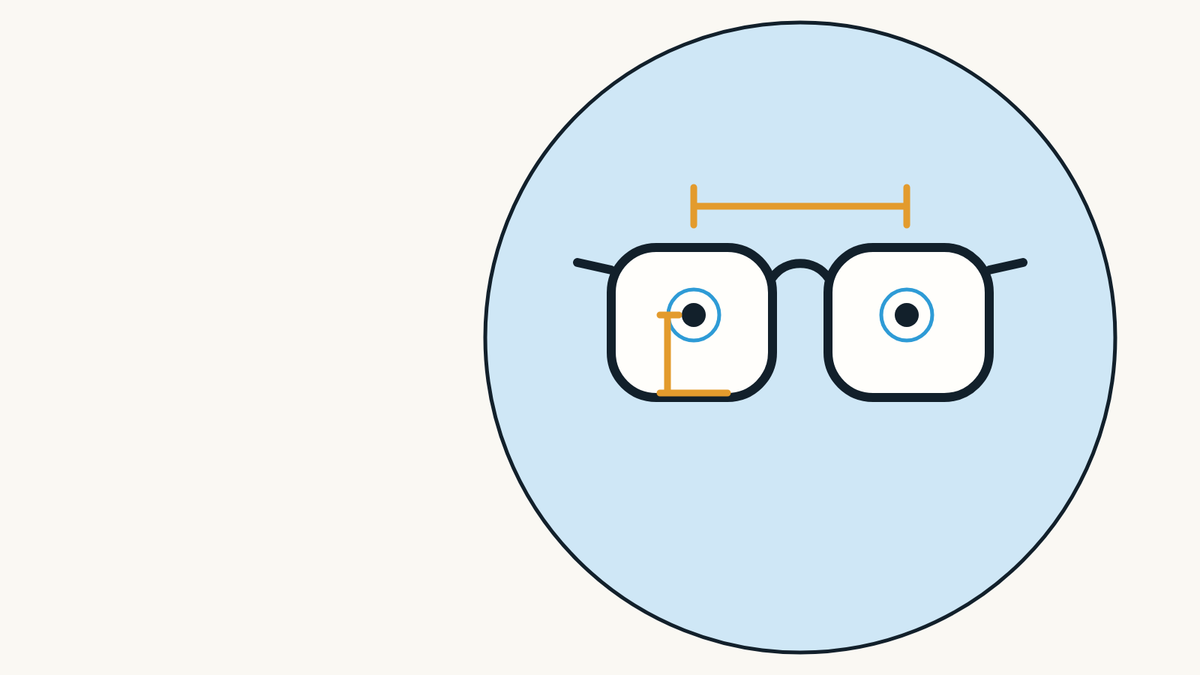
Check three things. According to the CAO, the frame should sit level and in the right position, it should not slip when the child moves their head, and it should not leave noticeable red marks on the nose or behind the ears after a few hours.
Children grow fast: if the glasses slip, pinch or tilt, have the optician readjust them rather than bending them at home.

Will a child's glasses break?
Probably, at some point. The CAO puts it plainly: it is inevitable that a child's frame will become bent, crooked or broken. That is why it recommends a good-quality frame backed by a manufacturer's warranty.
When you buy, ask what the warranty on the chosen frame covers, and keep the receipt. A bent frame can often be readjusted; a broken one gets replaced.

Are everyday glasses enough for sports?
No. The AAO notes that eye injuries are the most common cause of blindness in children, and that regular glasses and sunglasses do not protect enough during sports: they can shatter on impact.
For baseball, basketball, soccer, racquet sports or hockey, the AAO recommends polycarbonate protectors that meet ASTM standards or the CSA racquet sports standard; for hockey, a face mask approved by the HECC or CSA. The National Eye Institute adds that these protectors can be made to the child's prescription. For contact lenses in sports, see our article can children wear contact lenses?

How do you get a child to wear their glasses?
By making glasses a habit. The CAO suggests making them part of the daily routine and telling the teacher the wearing schedule the optometrist prescribed.
In a study published in 2024 in Optometry and Vision Science, parents of young children who wear glasses most often gave other parents this advice: be consistent, praise the child, set an example, and make sure the glasses are comfortable and fit well.

How long does it take to get used to them?
Often a few days. In the 2024 study, most children aged 1 to 4 got used to their glasses within a week. The CAO notes that a child may push back at first because things look a little odd; with regular wear, that settles.
A problem that lasts more than one or two weeks should be reported to the optometrist, according to the CAO. Our article on your child's first eye exam explains how the visit goes.

Which good habits should a child learn?
A few simple habits protect the glasses. The CAO suggests showing the child how to take their glasses off with both hands and set them down properly, lenses facing up. Letting the child decorate their case can help them use it.
Some lens coatings come with their own cleaning instructions, which the optician gives you. For the basic method, see our article on cleaning glasses without scratching them.

Where can you get your child's glasses made in Montréal?
At PrimeVision, 9520 Boulevard de l'Acadie, Suite 222, in Montréal (Ahuntsic), optometrists and a licensed optician work under one roof. We see children for eye exams from age 4. In the shop, the licensed optician, Michel Geha, O.O.D., makes the glasses from the child's prescription, with frames for every budget among more than 4,000 in store. RAMQ covers eye exams for children under 18 and adults 65+.
For the exam, see our page on children's eye exams; for frames and lenses, our page on prescription glasses in Montréal.

Sources
- Glasses for Children, Canadian Association of Optometrists.
- Amblyopia Preferred Practice Pattern, American Academy of Ophthalmology, 2024 update.
- How to Choose the Glasses Frame Material That's Right for You, American Academy of Ophthalmology, April 22, 2020.
- 20 Things to Know About Children's Eyes and Vision, American Academy of Ophthalmology, July 22, 2026.
- Sports Eye Safety, American Academy of Ophthalmology, March 11, 2025.
- Sports and Eye Safety: Tips for Parents and Teachers, National Eye Institute, October 29, 2025.
- Harvey EM et al., Parent strategies for improving compliance with eyeglass wear in young children, Optometry and Vision Science, 2024.
Find our eye care articles useful? Add PrimeVision as a preferred source in Google.
This article is general information and does not replace an eye exam.