Are Drugstore Reading Glasses Safe to Use?
Drugstore reading glasses do not damage your eyes, according to the American Academy of Ophthalmology, but they are made for presbyopia only. When they fall short, how to choose the strength, and why they do not replace an eye exam.
By Michel Geha, O.O.D.
Yes, for most people drugstore reading glasses are safe. According to the American Academy of Ophthalmology, glasses with the wrong power will not damage your eyes, though they may strain them or give you a headache. They suit simple presbyopia, not nearsightedness or astigmatism, and they do not replace an eye exam.
Are drugstore reading glasses bad for your eyes?
No, they do not damage your eyes. The American Academy of Ophthalmology (AAO) explains that wearing glasses with the incorrect prescription will not damage your eyes. They may, however, strain them, make your vision blurry, cause achiness or give you a headache.
The problem comes when you rely on ready-made glasses for years without having your vision checked.

Who are ready-made reading glasses for?
People whose only vision problem is presbyopia. According to the AAO, the glasses sold in drugstores are designed to correct age-related loss of near vision, called presbyopia, which usually begins in your 40s. Presbyopia usually affects both eyes in a similar way, which is why one power works for both lenses.
The AAO notes that if presbyopia is your only vision problem, with no nearsightedness, farsightedness or astigmatism, reading glasses may be all you need. According to the Canadian Association of Optometrists (CAO), it usually becomes noticeable between 40 and 45: you hold your book at arm's length, or reading in dim light gets harder.

When are drugstore readers not enough?
When your two eyes have different prescriptions, or when you have myopia or astigmatism. According to the AAO, ready-made glasses may not meet your needs in those cases. The AAO adds that ready-made glasses for nearsightedness are not practical to sell: prescriptions vary too much from person to person, and myopia often comes with astigmatism.
They are also not enough if you need to see both far and near with the same pair: ready-made readers rarely come in multifocal or progressive lenses. Our article on how to read your glasses prescription explains what SPH, CYL and ADD mean.

How do you choose the right reading glasses strength?
The safest way is to have it set at an eye exam. The AAO says reading glasses can be bought without a prescription, but the specific power you need should be determined by an eye exam.
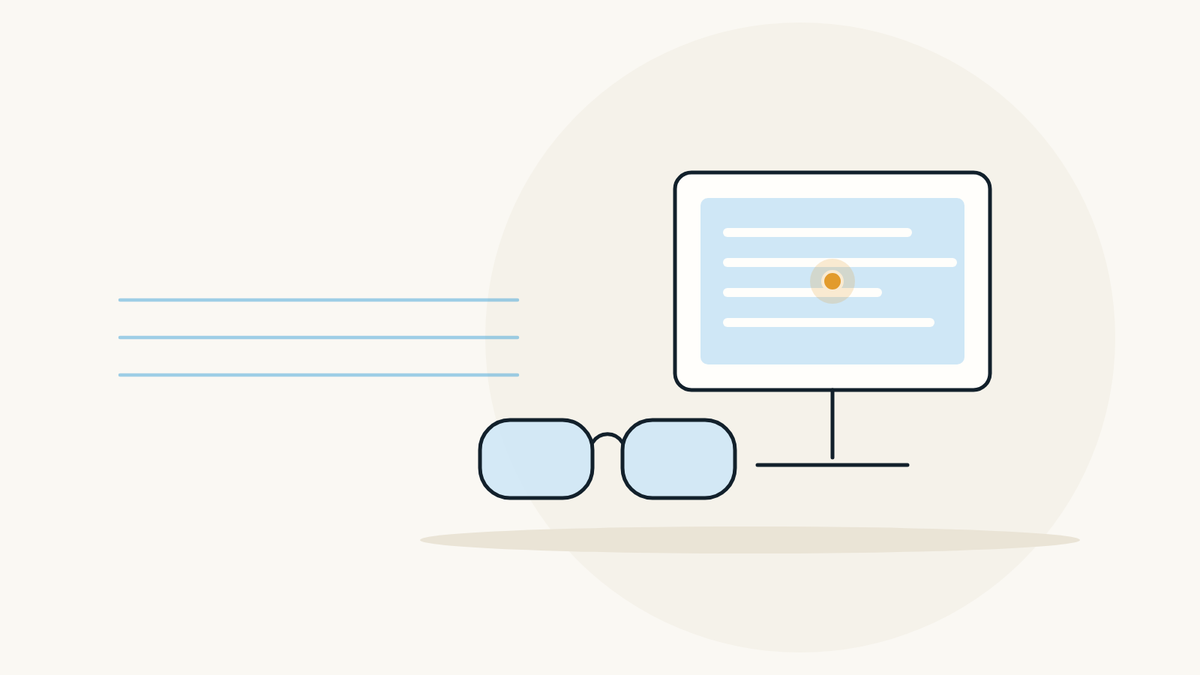
In an answer to a patient, an AAO ophthalmologist notes that store-bought readers usually range from +1.00 to +3.00 diopters. The higher the number, the closer you see clearly; the lower the number, the farther away, for example a screen or a music stand. If you read at different distances, one strength will not suit everything. Our article on computer glasses covers screen distance.

What does "one size fits all" mean for your eyes?
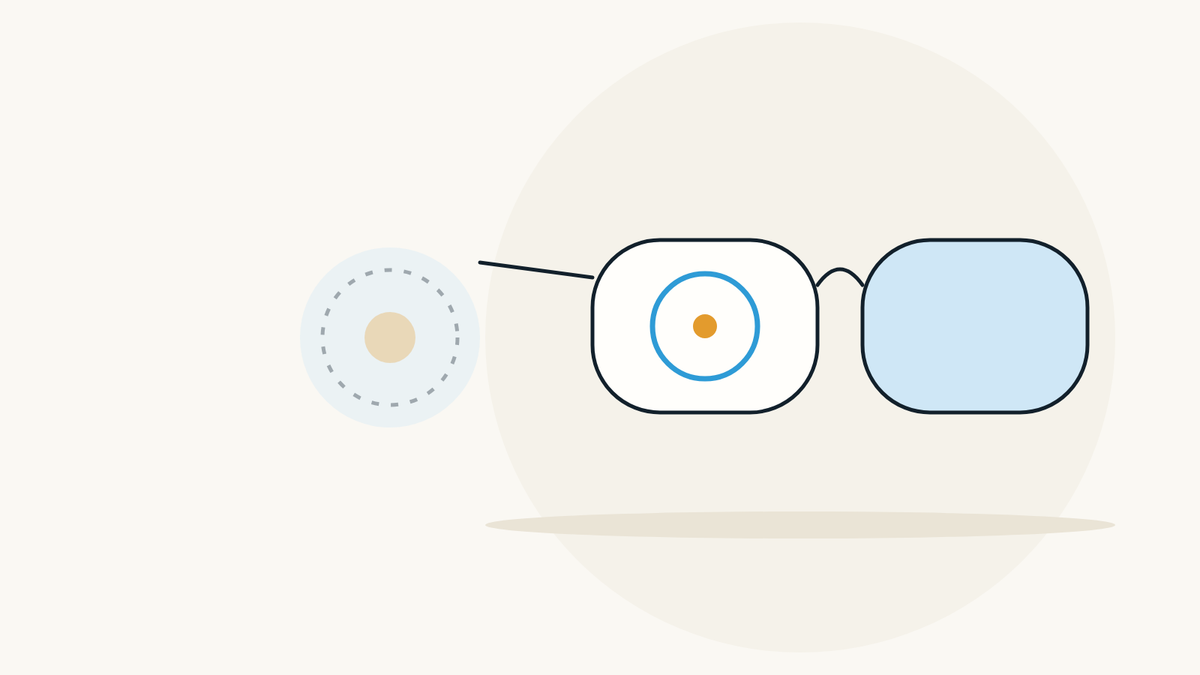
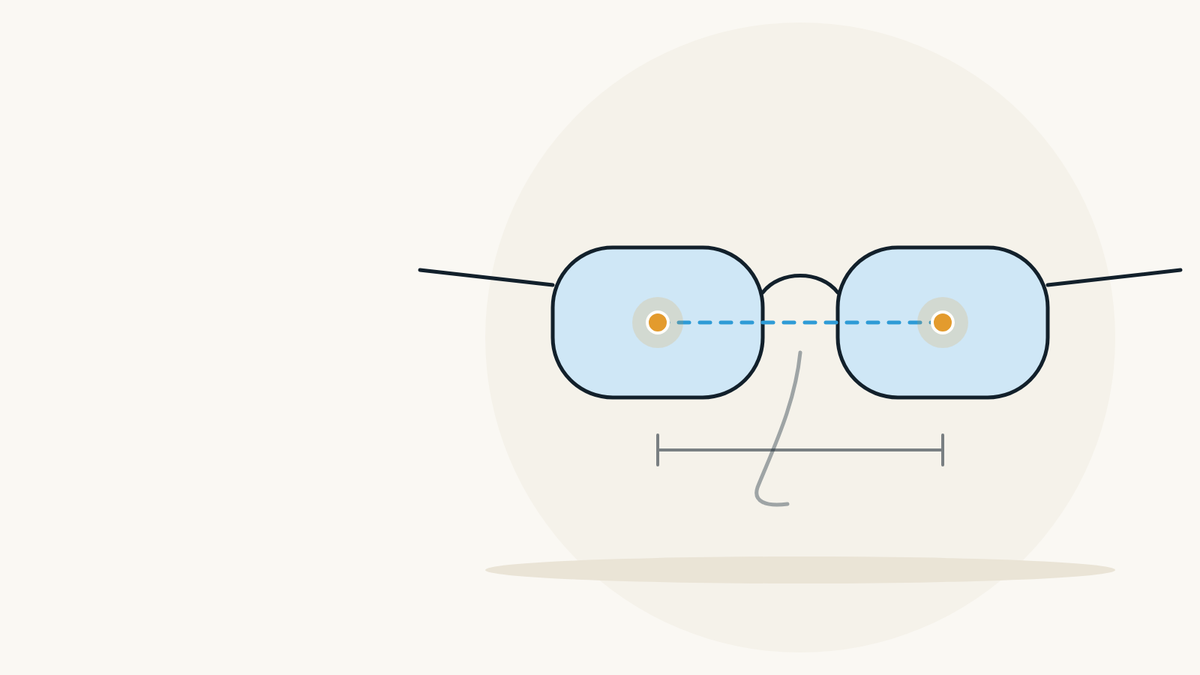
The centre of each lens is not placed for you. According to the AAO, ready-made glasses are one size fits all, yet your pupils must be aligned with the optical centre of the lenses for the correction to work well.
If the distance between your pupils is far from the one the maker assumed, or if the frame does not sit well on your nose, you are not looking through the right part of the lens. If reading quickly becomes tiring, talk to your optometrist or an optician.

What is different about custom reading glasses?
The lenses are made for your eyes. According to the AAO, for custom glasses an optician makes the lenses based on your prescription, including the distance between your pupils. Each eye can have its own power, and astigmatism can be corrected.
The AAO also lists the other choices: lens shape and size suited to the prescription, an impact-resistant material such as polycarbonate or Trivex, and an anti-scratch coating. Our article on lens materials compares the options.

What about after cataract surgery?
It depends on your distance vision. In an answer published by the AAO, an ophthalmologist explains that if you see very well at distance without glasses after surgery, store-bought reading glasses are usually sufficient.
If you still need correction to see far, or if your two eyes differ, glasses made to your prescription will suit you better. An eye exam can confirm it.
Do reading glasses replace an eye exam?
No. They correct near vision, but they do not check the health of your eyes. The CAO points out that vision and eye health conditions are not always accompanied by recognizable symptoms, and that a comprehensive eye exam is how eye disease is detected early.
According to the CAO, it is also at this exam that the optometrist checks for presbyopia. If reading is starting to get hard, it is a good moment for a full exam rather than picking a pair at random.

Do reading glasses make your eyes lazy?
No. The AAO addresses this worry directly: reading glasses do not make your sight worsen more quickly, and delaying them is of no benefit. Presbyopia comes from the eye's lens becoming more rigid with age, and according to the AAO there is no way to stop or reverse it.
Needing a stronger power over the years is normal: according to the CAO, presbyopia progresses until the late 40s or early 50s. Our article do glasses make your eyes weaker? covers this myth in full.

What are the other options for seeing up close?
The AAO and the CAO list several: bifocal, trifocal or progressive lenses for people who already wear glasses, contact lenses (monovision or multifocal), prescription eye drops that make the pupil smaller, and surgery.
The right choice depends on your prescription and on what you do during the day. Our article on single vision, bifocal and progressive lenses compares these lens types.

How often should you have your eyes checked?
Every two years from age 20 to 64, and every year from 65, for healthy adults, according to the CAO. Your optometrist may suggest a different schedule based on your health and risk factors.
The CAO also notes that between 40 and 55, glasses usually need updating every two to three years, because presbyopia keeps changing. Our article on seven signs you need new glasses helps you know when to book.

Where can you get reading glasses made in Montréal?
At PrimeVision, 9520 Boulevard de l'Acadie, Suite 222, in Montréal (Ahuntsic), optometrists and a licensed optician work under one roof. The adult eye exam includes vision and prescription tests, a check of the health of both retinas and OCT imaging. In the shop, the licensed optician, Michel Geha, O.O.D., makes custom reading glasses from your prescription, with frames for every budget among more than 4,000 in store. RAMQ covers eye exams for children under 18 and adults 65+.
To see the options, visit our page on prescription glasses in Montréal, or book from our page on eye exams in Montréal.

Sources
- Can I buy OTC glasses for nearsightedness?, American Academy of Ophthalmology, June 8, 2023.
- Tips for Choosing the Right Reading Glasses, American Academy of Ophthalmology, October 30, 2017.
- Common Eye and Vision Myths, American Academy of Ophthalmology, April 23, 2026.
- Do I need store-bought or prescription reading glasses after cataract surgery?, American Academy of Ophthalmology, September 12, 2023.
- What Is Presbyopia?, American Academy of Ophthalmology, May 21, 2026.
- Eyeglasses: How to Choose Glasses for Vision Correction, American Academy of Ophthalmology, June 14, 2023.
- Presbyopia, Canadian Association of Optometrists, updated April 4, 2024.
- Recommended Frequency of the Comprehensive Eye Examination (position statement), Canadian Association of Optometrists, reviewed July 2024.
- Eye Exam and Vision Testing Basics, American Academy of Ophthalmology.
Find our eye care articles useful? Add PrimeVision as a preferred source in Google.
This article is general information and does not replace an eye exam.