Polarized or Photochromic Lenses: Which One Is Right for You?
Polarized or photochromic lenses? How each one works, which suits driving, winter, water and screens, what they do for UV, whether a lens can be both, and why neither belongs on the road at night.
By Michel Geha, O.O.D.
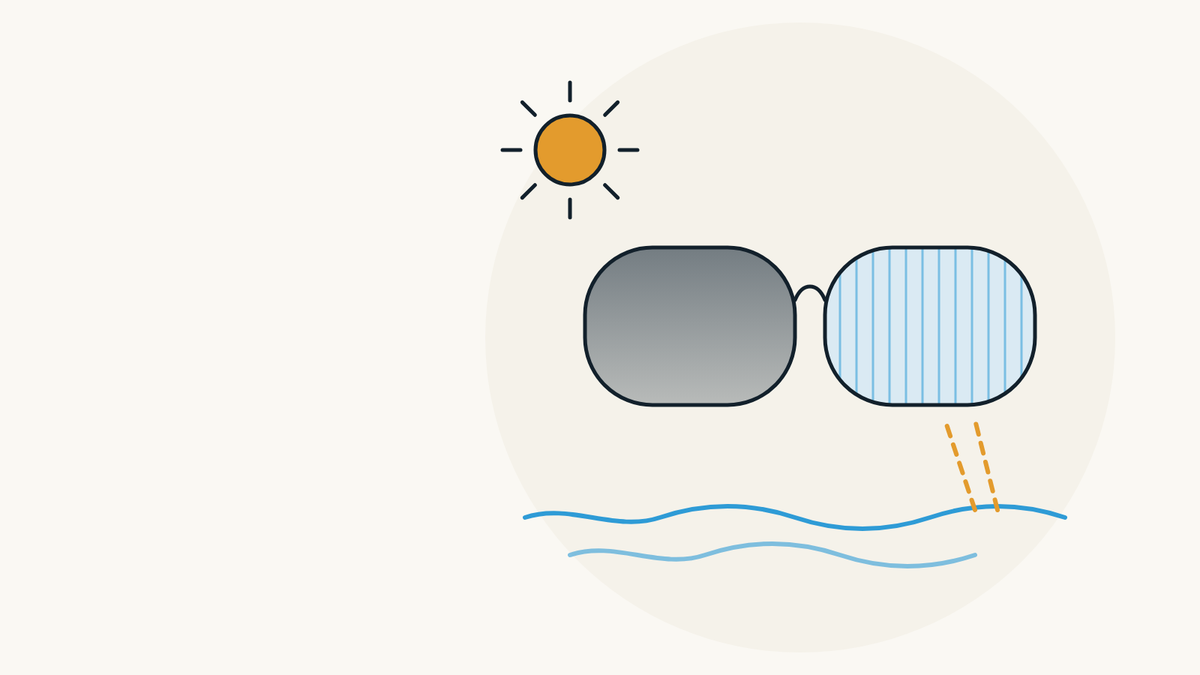
A photochromic lens darkens by itself in sunlight and turns clear again indoors; a polarized lens cuts glare reflected off water, snow or the road. Photochromic suits people who go in and out often; polarized suits people who spend long hours outdoors facing glare. Both also exist in a single lens.
What is the difference between polarized and photochromic lenses?
They solve different problems. Health Canada sums it up: photochromic lenses change with the intensity of UV light, darker outdoors and lighter indoors; polarizing lenses are designed to cut glare caused by reflection.
So a photochromic lens answers "how much light?" by adjusting its tint. A polarized lens answers "where is the glare coming from?" by filtering light reflected off flat surfaces.

How do photochromic lenses work?
They contain dyes that react to ultraviolet light. According to the American Academy of Ophthalmology (AAO), these lenses automatically darken in bright sunlight and return to a lighter tint indoors. They are also called Transitions lenses, after a brand name.
Their advantage, according to the AAO: one pair, UV protection all the time, and no sunglasses to forget on a quick trip outside. The AAO also notes that quality varies: some brands darken more than others, and some take longer to adjust. Our article on transition lenses covers their pros and cons in detail.

How do polarized lenses work?
They carry a chemical filter that blocks reflected light. The AAO explains that light bouncing off a flat surface, such as water or pavement, becomes more horizontal; a polarized lens blocks that horizontal light and lets vertical light through.
According to the AAO, the image may look a bit darker through polarized lenses, but objects appear sharper and details are easier to see. People who wear them often feel less tired after hours in bright sun.

Which is better for driving?
It depends on what bothers you behind the wheel. The AAO points out that car windows block UV light, which can keep photochromic lenses from darkening fully: behind the windshield, they often stay lighter than outdoors.
Polarized lenses cut road glare, but the AAO flags two limits: they can make LCD screens, including dashboard controls, hard to read, and they can make icy patches harder to see. Our article on prescription sunglasses also covers driving.

What about winter in Montréal?
Snow changes things. According to the AAO, snow reflects a lot of light, and polarized lenses usually help; but they can make icy patches harder to spot, whether driving or skiing. Health Canada adds that the glare reflected off snow or water contains blue light.
As for photochromic lenses, the AAO notes that they take longer to adjust when it is cold. Worth keeping in mind when you go from a snowy parking lot into a store.

Which one for water, the beach or golf?
Polarized. The AAO recommends them for most outdoor activities where glare is tiring: when fishing, they cut glare so you can see into the water; at the beach, they reduce glare off the water and sand; on the golf course, off the fairways.
The Canadian Association of Optometrists (CAO) also suggests polarized lenses in high-glare settings: driving, snow activities and water activities.

Do polarized lenses cause problems with screens?
Yes, sometimes. The AAO advises avoiding polarized lenses when you need to read an LCD screen, which can become hard to read: phones, ATMs, dashboard controls, some watches.
Photochromic lenses do not have this problem indoors, since they clear up there. If you often read a screen outdoors, try polarized glasses with your phone before you choose.

Do both protect against UV?
Not automatically for polarized lenses. The AAO stresses that blocking UV and being polarized are not the same thing. According to the CAO, darker sunglasses do not mean more UV protection; choose lenses that block 99 to 100% of UVA and UVB.
Health Canada advises looking for a label that states UVA and UVB protection. For photochromic lenses, the AAO mentions UV protection all the time. Our article on tinted lenses explains what colour does, and what it does not.

Can a lens be both polarized and photochromic?
Yes, it exists. The lens maker Essilor offers Transitions lenses that are both photochromic and polarized, designed for people who face bright sunlight or glare reflected off roads and water.
If you are torn between the two, talk to your optician: they can tell you which options exist for your prescription and your frame.

Can you wear these lenses at night?
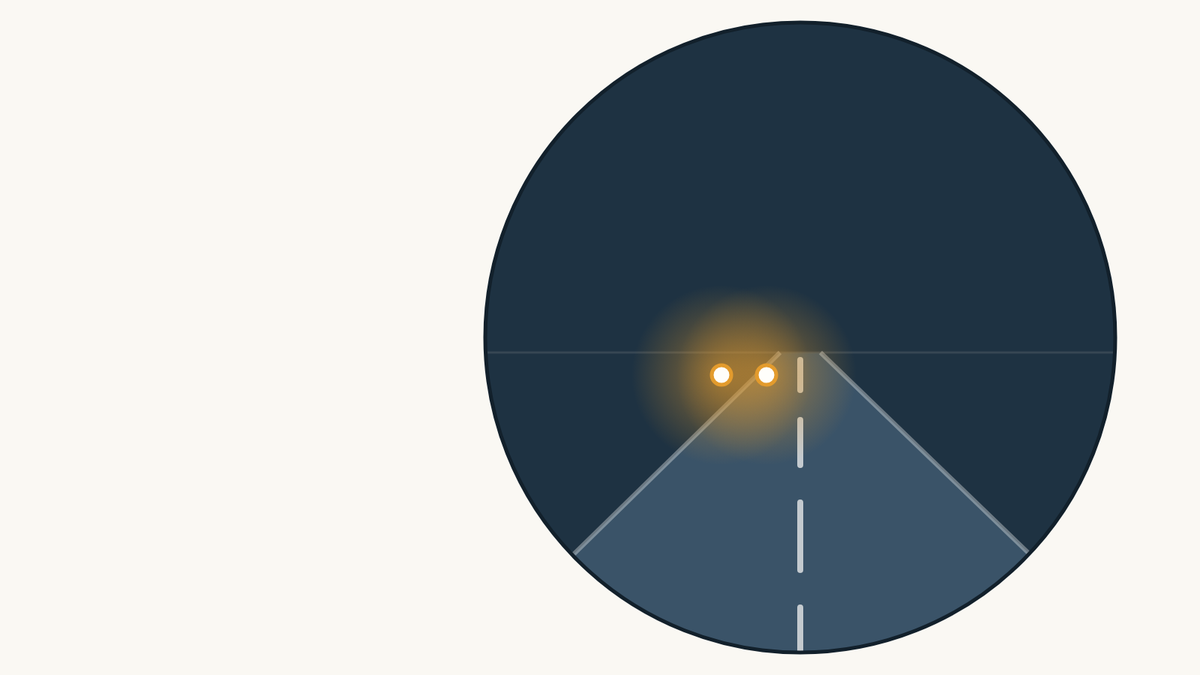
Not for driving. According to the AAO, tinted or polarized lenses reduce the amount of light reaching the eye, and at night that makes it harder to see. The AAO adds that polarized glasses sold for night driving may do more harm than good.
A photochromic lens, for its part, turns clear again when there is no UV. Our article on glasses for night driving explains what actually helps with headlight glare.

How do you choose between them?
By looking at your days. If you go in and out often and want one pair, photochromic lenses are convenient, according to the AAO, keeping in mind that they darken less in the car and more slowly in the cold. If you spend long hours outdoors facing glare (water, snow, road), polarized lenses cut it, keeping in mind that they make some screens harder to read.
Nothing stops you from having both: photochromic everyday glasses and a polarized pair of sunglasses. Either way, the AAO suggests talking it over with your eye care provider.

Where can you choose your lenses in Montréal?
At PrimeVision, 9520 Boulevard de l'Acadie, Suite 222, in Montréal (Ahuntsic), optometrists and a licensed optician work under one roof. In the shop, the licensed optician, Michel Geha, O.O.D., makes your glasses from your prescription and can walk you through sun lens options, with frames for every budget among more than 4,000 in store. RAMQ covers eye exams for children under 18 and adults 65+.
To see the options, visit our page on prescription glasses in Montréal, or book from our page on eye exams in Montréal.

Sources
- What Are Polarized Lenses?, American Academy of Ophthalmology, July 7, 2026.
- Sunglasses With Transition (Photochromic) Lenses: Pros and Cons, American Academy of Ophthalmology, July 7, 2026.
- Sunglasses, Health Canada.
- How to select sunglasses, Canadian Association of Optometrists.
- Night Driving Glasses May Hurt, Not Help, American Academy of Ophthalmology, January 30, 2018.
- Transitions XTRActive Polarized, Essilor (lens maker).
This article is general information and does not replace an eye exam.