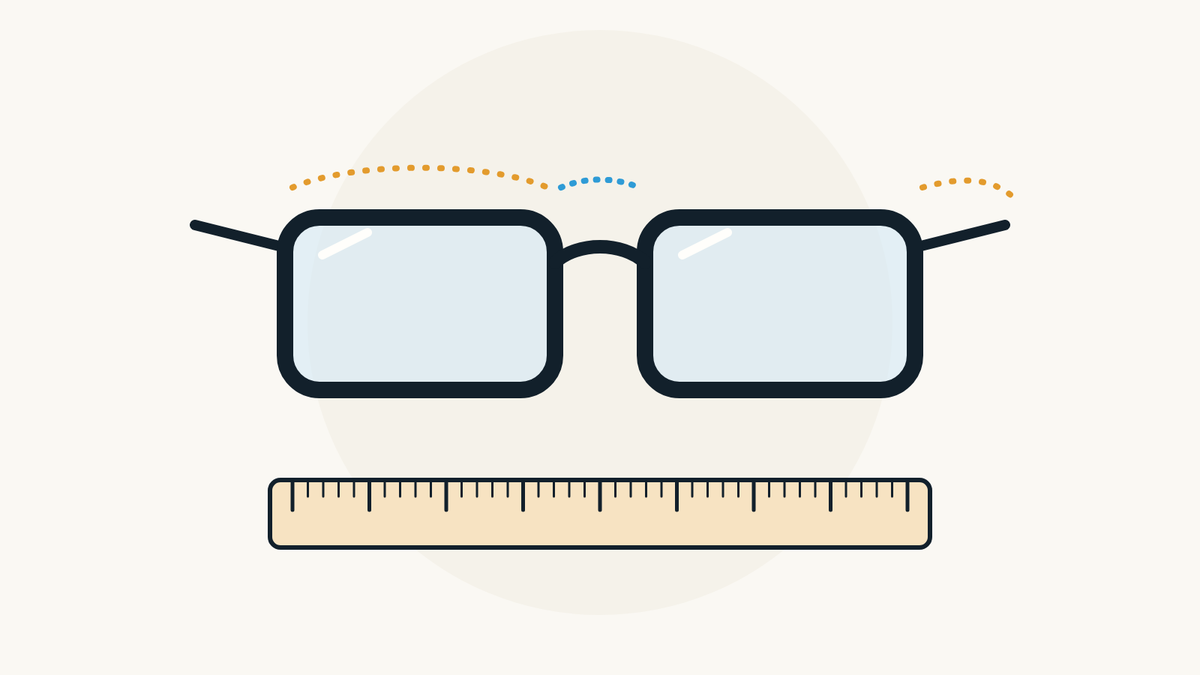
Sunglasses and UV Protection: What UV400 Means
What UV400 means on a sunglasses label, why UV matters for your eyes, why a darker, pricier or polarized lens is not automatically safer, how to test quality, and why sunglasses matter in a Montréal winter and for children.
By Michel Geha, O.O.D.
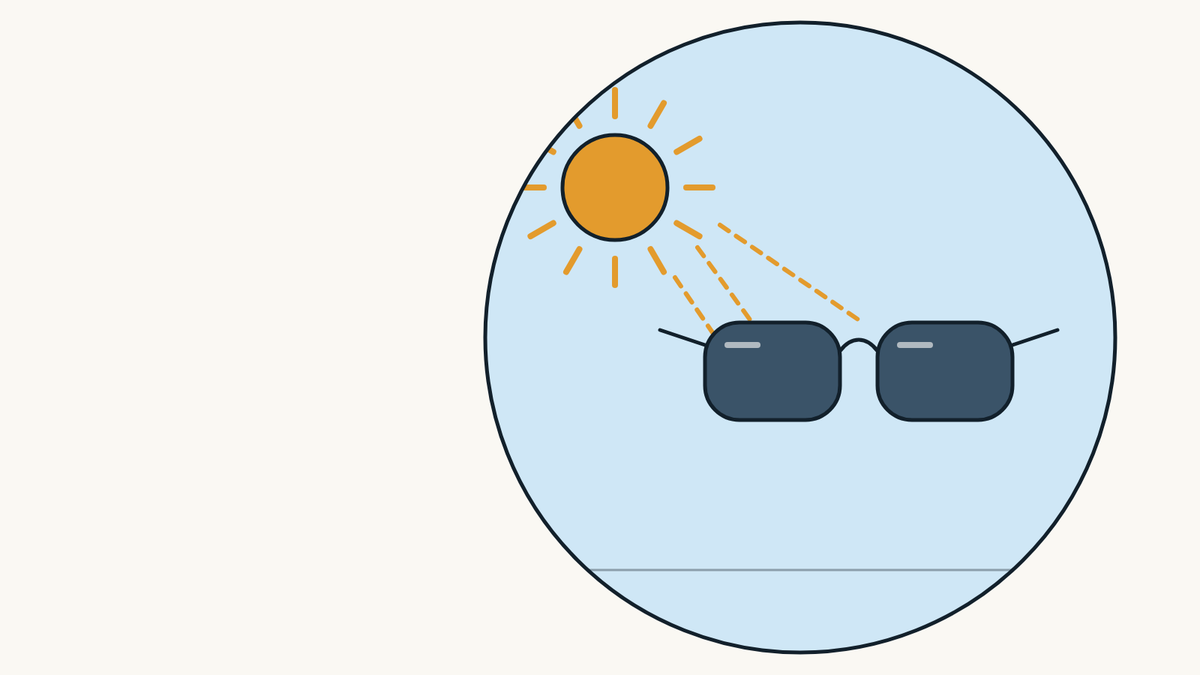
UV400 means the lenses block ultraviolet rays up to 400 nanometres, which covers both UVA and UVB. The American Academy of Ophthalmology treats "UV400" and "100% UV" as the same thing. That label, not the colour, the darkness or the price, is what tells you whether sunglasses protect your eyes.
What does UV400 mean on sunglasses?
UV400 means the lenses absorb UV rays up to a wavelength of 400 nanometres, which covers UVA and UVB. The AAO advises choosing sunglasses that offer "100% UV" or "UV400" protection, or that block both UVA and UVB; a label that says "UV absorption up to 400nm" is also acceptable.
The Canadian Association of Optometrists (CAO) gives the same advice in other words: lenses that block 99 to 100% of UVA and UVB.

Why is UV bad for your eyes?
Because, as with skin, it can damage the tissues of the eye. According to the CAO, the damage can come from a short exposure or build up over time. The list includes sunburn of the cornea (photokeratitis), cataracts, age-related macular degeneration and pterygium, a growth on the surface of the eye.
Health Canada adds that most damage from UVA and UVB happens over a long period and cannot be reversed. The AAO points out that cataracts can take years to develop, and each time you are in the sun without protection, the risk goes up.

Which parts of the eye absorb UV?
Each part of the eye absorbs a different kind of ray. According to Health Canada, the cornea and conjunctiva, at the front of the eye, absorb UVB; the lens absorbs mainly UVA; the retina, at the back of the eye, absorbs visible light.
That is why you never look straight at the sun, even with sunglasses on: the AAO says they do not protect you in that case, eclipses included, and the retina can be injured.

Do darker lenses protect better?
No. The CAO says it plainly: darker sunglasses do not mean more UV protection. Health Canada notes that you cannot judge UV protection by the price, the colour or the darkness of the lenses; look for a label that states UVA and UVB protection.
The tint is for comfort. Health Canada suggests lenses dark enough to keep your eyes comfortable, but not so dark that they reduce your vision. Our article on tinted lenses explains what each colour does.

Do expensive sunglasses protect better?
Not for UV. The AAO writes that drugstore sunglasses labelled 100% UV-blocking are a better choice than designer sunglasses with no protection. Health Canada adds that, for most people, a low-cost pair that blocks UVA and UVB will do the job.
Price can affect other things: optical quality, scratch resistance, how comfortable the frame is. The CAO notes that many inexpensive sunglasses scratch easily or have flaws that distort the image.

Do polarized or mirrored lenses protect against UV?
Not on their own. The AAO is clear: polarization itself does not provide UV protection. It cuts glare off water or the road, which helps when driving or boating. Some polarized lenses come with a UV-blocking finish: check the label.
The same goes for mirror or metallic finishes: according to the AAO, they reduce the light entering your eyes but do not fully protect against UV. Our article on polarized or photochromic lenses compares the two options.

How can you check the quality of sunglasses?
With the floor-tile test, suggested by the AAO and Health Canada. Look at a rectangular pattern, such as a tiled floor. Hold the glasses in front of you with one eye covered, and move them slowly side to side, then up and down.
If the lines stay straight, the lenses are fine. If they wave or wiggle, especially in the centre, the AAO suggests looking for another pair. The CAO also suggests checking that both lenses are exactly the same colour.

Which sunglasses shape should you choose?
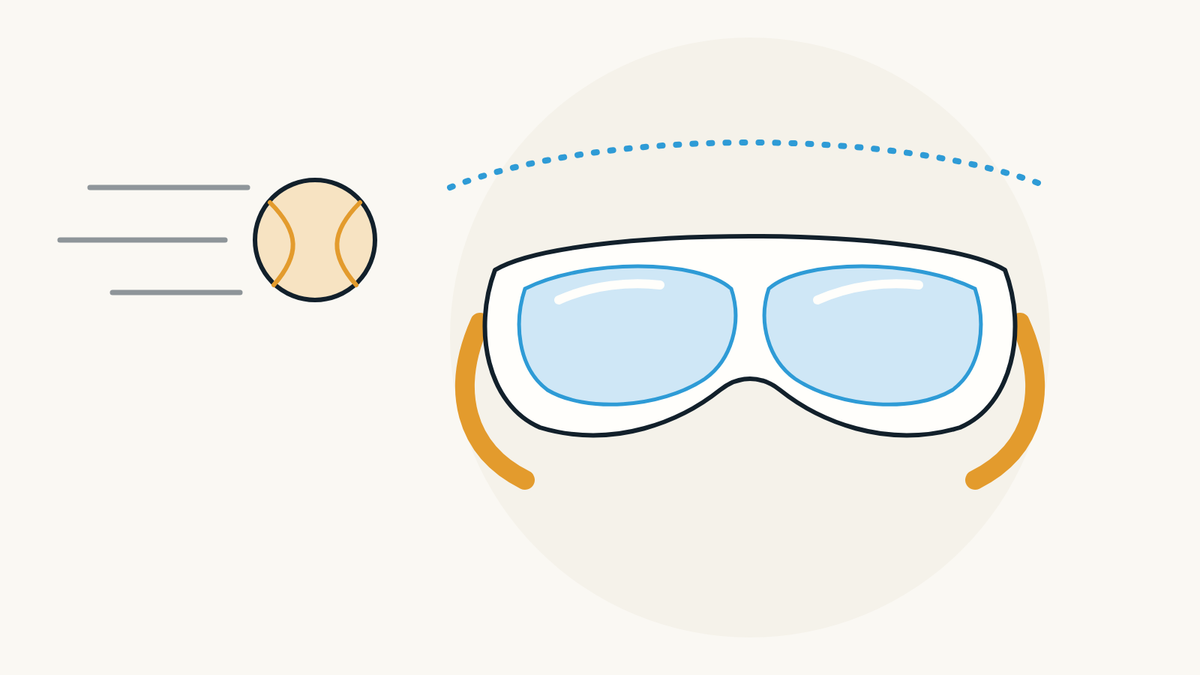
The more the frame covers, the better. According to the AAO, large lenses give the largest shield, and wraparound styles keep UV from coming in at the sides. Health Canada also recommends close-fitting or wraparound eyewear.
For sports, the AAO mentions polycarbonate lenses, which withstand stronger impacts than regular plastic, with a scratch-resistant coating. If you wear prescription glasses, our article on prescription sunglasses goes over the options.

Should you wear sunglasses in winter and on cloudy days?
Yes. The AAO reminds us that clouds do not block UV, and that sunlight is stronger when it reflects off water, ice or snow. For winter, it recommends sunglasses or goggles that block at least 99% of UV rays.
Snow can cause snow blindness, a form of photokeratitis: a painful sunburn of the cornea with blurry vision, swelling and watery eyes, according to the AAO. Health Canada notes that it is uncomfortable but temporary. Montréal winters are long: sunglasses are not only a summer accessory.

Should children wear sunglasses?
Yes. According to the AAO, children need hats and sunglasses in the sun, because damage such as cataracts builds up over years. It advises protecting their eyes while they are young.
Health Canada recommends a wide-brimmed hat and sunglasses when the sun is strong, especially between 11 a.m. and 3 p.m. The same rules apply: UVA and UVB protection on the label and a frame that fits well.

Are UV-blocking contact lenses enough?
No. Health Canada notes that contact lenses, even those with UV protection, do not cover the whole eye or the skin around the eyes. They add to sunglasses; they do not replace them.
If you wear contact lenses, non-prescription sunglasses with UV400 protection over them are enough. Our article on glasses or contact lenses compares the two in daily life.

Where can you choose sunglasses in Montréal?
At PrimeVision, 9520 Boulevard de l'Acadie, Suite 222, in Montréal (Ahuntsic), optometrists and a licensed optician work under one roof. In the shop, the licensed optician, Michel Geha, O.O.D., can show you sunglasses with or without a prescription and explain the UV protection of each option, with frames for every budget among more than 4,000 in store. RAMQ covers eye exams for children under 18 and adults 65+, and we see children from age 4.
For sunglasses matched to your vision, visit our page on prescription glasses in Montréal, or book from our page on eye exams in Montréal.

Sources
- Choosing sunglasses to avoid sun damage, American Academy of Ophthalmology, July 20, 2026.
- The Sun, UV Light and Your Eyes, American Academy of Ophthalmology, July 20, 2026.
- Winter UV Eye Safety: Prevent Snow Blindness and Other Conditions, American Academy of Ophthalmology.
- Selecting sunglasses, Canadian Association of Optometrists, March 27, 2023.
- Sunglasses, Health Canada.
Find our eye care articles useful? Add PrimeVision as a preferred source in Google.
This article is general information and does not replace an eye exam.