Use your vision insurance benefits before year's end
In many plans, vision insurance benefits renew on January 1. Check your plan: what to look at, what to bring to the store and how to plan ahead before the end of the year.
By Michel Geha, O.O.D.
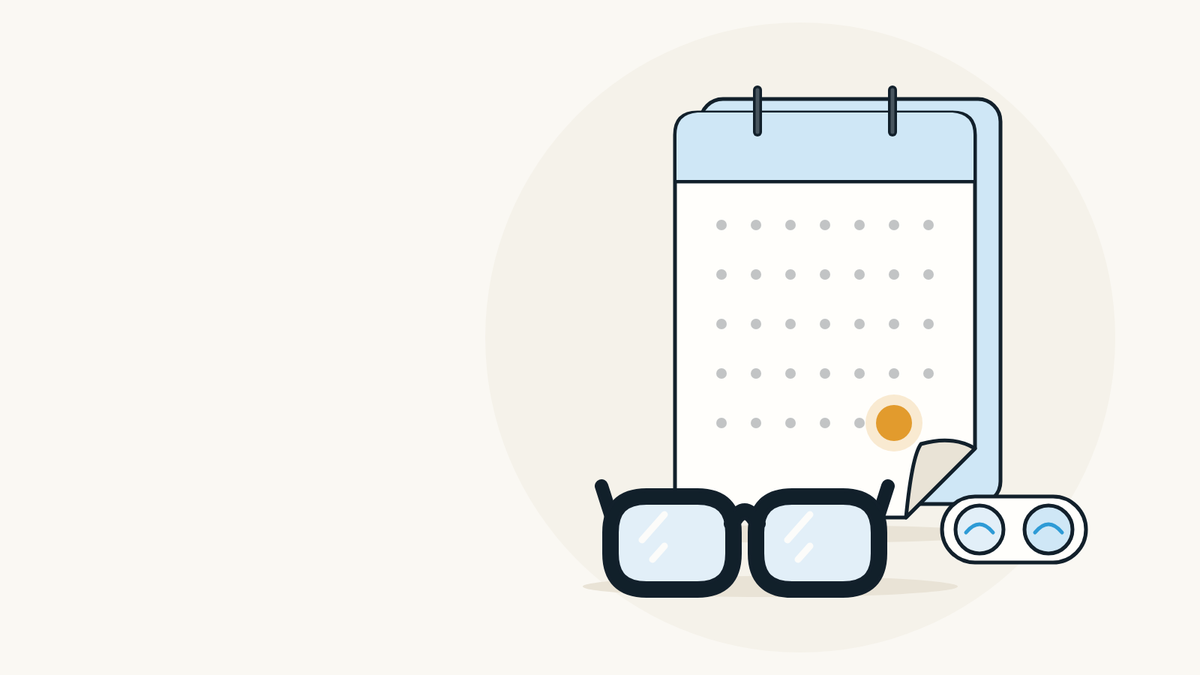
In many group insurance plans, vision care benefits renew on January 1. If yours does, this year's amount often does not carry over to next year. Check your plan: you will see whether you still have an amount for glasses or contact lenses, and until when. Here is what to look at, what to bring and how to plan ahead, without a last-minute rush, for your prescription glasses in Montréal. By Michel Geha, licensed optician.
Why does December 31 matter for vision insurance?
Because in many plans, the benefit year follows the calendar year: it starts on January 1 and ends on December 31. The vision care amount is counted over that period, then it starts again from zero.

It is not the rule everywhere. Some plans renew on the anniversary date of the contract. Others count the period over 24 months from your last purchase. The simplest way to find out is your benefits booklet, or your insurer's website or app, under vision care.
What should you check in your plan before ordering?
Four things, ideally before you come to the store. With these answers, you can choose a frame and lenses that make sense for you.
- The period. Calendar year, anniversary date or 24 months: when does yours end?
- What is eligible. Glasses, contact lenses, prescription sunglasses, or a choice between them.
- What is left. For you and for each person on the plan, such as your spouse or children.
- How to send the claim. Online, through the app or on paper, and which documents are needed.

If your spouse also has a plan, you can sometimes send the part the first plan did not reimburse to the second plan. The rules vary from one insurer to another, so check with your insurer before you buy.
Glasses or contact lenses: what do my benefits allow?
It depends on your plan. In many plans, the same amount can go to glasses or to contact lenses, your choice. Others set a limit for each, or allow one pair of glasses per period.

If you wear both, ask yourself what you need most this year: a new everyday pair, prescription sunglasses, or a supply of contact lenses. For sunglasses, our article on prescription sunglasses explains the lens options.
Do I need an up-to-date prescription?
Yes. Glasses and contact lenses are made from a valid prescription. If your vision has changed, or your prescription is old, you need a new one before you order. Appointments are booked ahead: book your eye exam in Montréal as soon as you know what is left in your plan.
A contact lens prescription is not the same as a glasses prescription: it also includes measurements specific to the lens. If you wear both, you need both prescriptions.

RAMQ covers eye exams for children under 18 and adults 65+. At PrimeVision, we see children from age 4.
To see who pays depending on your age and situation, read our page Who pays for your eye exam?
What are the steps to get new glasses?
A pair of glasses goes through several steps, from choosing the frame to the fitting.
- Choosing the frame. Based on your face, your prescription and what you do.
- Measurements. Michel Geha, licensed optician, takes the centring measurements on the chosen frame, such as the distance between your pupils and the height of the lens centres.
- The lab. The lenses are made from your prescription and these measurements, then edged and mounted in the frame. Single-vision lenses are edged in our on-site lab; other lens types are not edged on site.
- Fitting. When you pick them up, the frame is adjusted to your face.

Depending on your plan, the date that counts may be the purchase date or the date you pick up your glasses. Check your plan: if your period ends on December 31, starting in November or early December leaves time for each step without rushing.
What if I wear contact lenses?
After a first contact lens fitting, a follow-up usually takes place a few days to a week later.
We fit silicone hydrogel (SiHy) soft lenses only. Health Canada recommends having a qualified eye care professional prescribe and fit your contact lenses. The options we offer are on our page about contact lenses in Montréal.

If you are renewing lenses you already wear, bring the box or your prescription: the lens name and its measurements are written on it.
How do you choose a frame without spending the day?
Come with an idea of what you like, then let us guide you. The store has more than 4,000 frames, many of them from luxury fashion houses.

Michel Geha, licensed optician, looks at the shape of your face, your prescription and how you will use the pair. A strong prescription, for example, often sits better in a smaller frame, where the lenses stay thinner. To see where the cost of a pair really goes, read do you need to spend a lot on glasses. If this is your first pair of progressives, our article on getting used to progressive lenses tells you what to expect.
What should you bring to the store?
With these few documents on hand, your visit is simpler.
- Your most recent prescription, for glasses and, if needed, for contact lenses.
- Your current glasses: they help compare and adjust the new pair.
- Your plan details, such as the contract and certificate numbers.
- Your contact lens box, if you wear them.
- An idea of how you use your eyes: screens, driving at night, sports or outdoor work.

What should you do with the receipt?
Keep it. We give you an itemized receipt to submit to your insurer. Some insurers also ask for a copy of the prescription.
For the part you pay yourself, the Canada Revenue Agency lists eyeglasses and contact lenses among eligible medical expenses, with a prescription. So keep the receipt and the prescription together until you file your tax return.

Sources
- Optometric services, Régie de l'assurance maladie du Québec.
- Lines 33099 and 33199: eligible medical expenses, Canada Revenue Agency.
- Contact lenses, Health Canada.
This article is general information and does not replace an eye exam.