Blurry Vision: Common Causes and When to See an Optometrist
The common causes of blurry vision: blurry far away or up close, blurry with your glasses, dry eyes, cataracts, diabetes, hormones and pregnancy, migraine, a child who sees blurry, how the cause is found and the signs of sudden blur that need emergency care.
By Michel Geha, O.O.D.
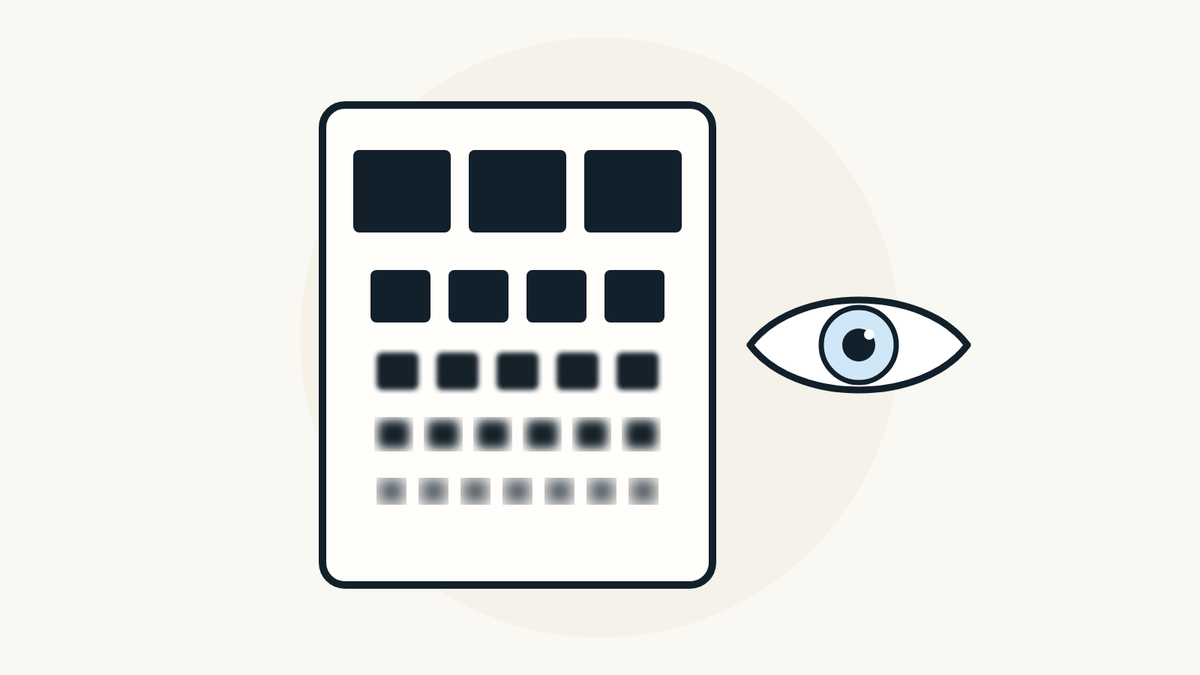
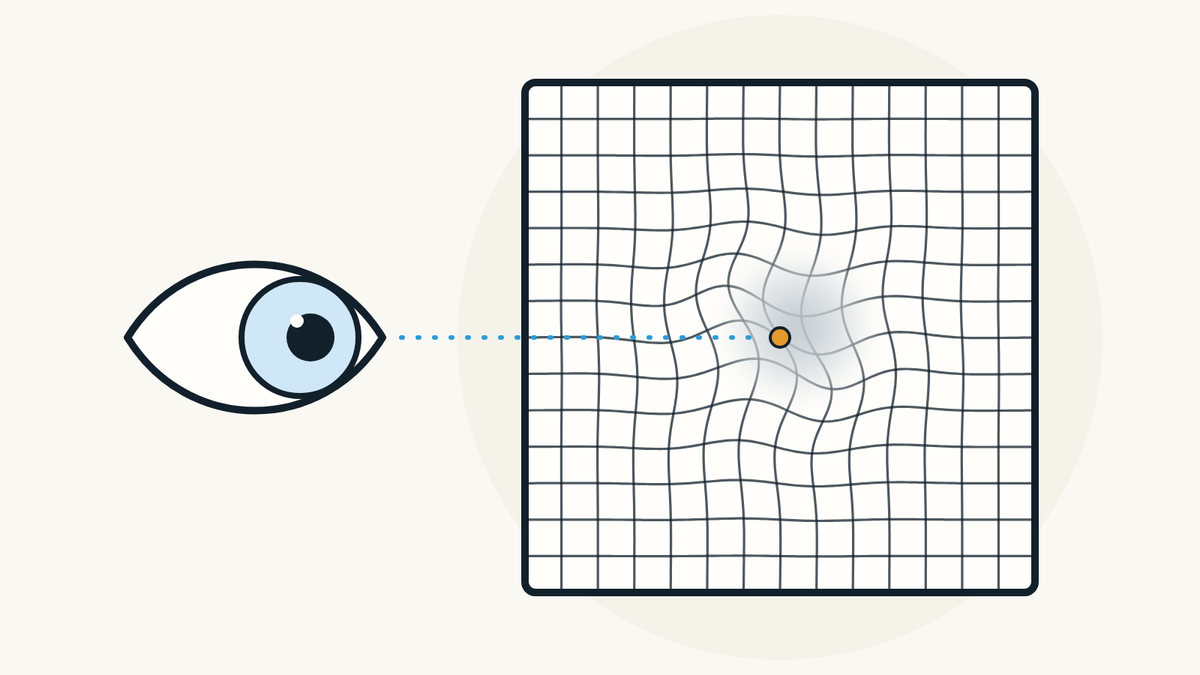
Blurry vision most often comes from a need for correction: nearsightedness, farsightedness, astigmatism or presbyopia. Dry eyes, a cataract or diabetes can also cause it, and only an eye exam can tell which. Sudden blur, especially with flashes, numbness or a severe headache, needs emergency care.
Why is my vision blurry?
Most often, because the eye needs correction. The National Eye Institute (NEI) explains that refractive errors, such as nearsightedness or astigmatism, are the most common type of vision problem, and that blurry vision is their most common symptom. Many people do not know they could be seeing better.
It is not the only cause. The American Academy of Ophthalmology (AAO) links blurry vision to a long list of problems: dry eyes, cataracts, diabetic retinopathy, macular degeneration, glaucoma, contact lens-related infections and more. Only an exam can tell which one is involved.

Blurry far away or up close: what does it mean?
It often points to the type of correction. According to the NEI, nearsightedness makes far-away objects blurry, farsightedness makes nearby objects blurry, and astigmatism can make vision blurry or distorted at both distances. Presbyopia, which makes close-up reading harder, is common in adults from age 45.
The NEI adds that these problems are more likely when family members wear glasses or contact lenses. For each one, see our articles on myopia, farsightedness, astigmatism and presbyopia.

Why is my vision blurry even with my glasses?
Your prescription may have changed. The NEI explains that if you wear glasses or contact lenses and still have blurry vision, headaches or eye strain, you might need a new prescription.
It is not always the correction, though: an eye disease can also blur vision despite good glasses. Our article on signs you need new glasses helps you tell the difference.

My vision is blurry and my eyes burn: is it dry eyes?
It is a common cause. The NEI lists blurry vision among the symptoms of dry eye, along with a burning, dry or scratchy feeling and red eyes. The NEI adds that dry eye can happen when you spend a lot of time looking at a computer, tablet or phone, and advises limiting screen time and taking breaks.
Our article on digital eye strain gives simple tips. For dry eye solutions, see our article on dry eyes.

Blurry, hazy vision that slowly gets worse: is it a cataract?
It may be, especially with age. According to the NEI, you may not notice a cataract at first, but over time it makes vision blurry, hazy or less colourful, and reading or everyday activities become harder.
Only an exam can confirm a cataract and follow how it changes. Our article on cataracts explains when surgery is discussed.

Can diabetes make your vision blurry?
Yes. The AAO lists diabetic retinopathy and diabetic eye disease among the causes of blurry vision. The AAO also notes that vision that does not return to normal a couple of months after pregnancy, or that suddenly becomes very blurry, should be checked right away to rule out a problem such as diabetes.
With diabetes, regular eye exams find changes before they affect your vision. Our article Diabetes and your eyes details this follow-up.

Can pregnancy or hormones make your vision blurry?
Yes, and it is often temporary. The AAO explains that hormonal birth control, pregnancy and menopause can make vision fluctuate, in particular by drying the eyes or changing the cornea. The blur often goes away when hormones level out.
According to the AAO, see someone promptly if your vision does not return to normal a couple of months after pregnancy, or if it suddenly changes or becomes very blurry.

Vision that suddenly turns blurry: is it an emergency?
Yes. The Mayo Clinic advises emergency care for any sudden change in vision or an eye injury, especially with vision loss or double vision, floaters, flashes or halos, a severe headache, nausea, numbness or weakness on one side of the body, confusion or trouble talking.
The Canadian Association of Optometrists (CAO) points out that sudden blurred vision can have a serious cause such as a stroke: with numbness in the face or body, dizziness or difficulty speaking, go to the emergency room right away. A curtain over part of your vision can signal a retinal detachment.

Blurry vision and a headache: should you worry?
Not always, but get it checked. The CAO lists migraine, dry eye and a change in prescription among the less serious causes of sudden blurred vision. It advises a full eye health exam even if your vision clears up again.
A sudden severe headache with blurry vision is still an emergency sign, according to the Mayo Clinic. Our article on headaches and vision helps you sort it out.

My child's vision is blurry: what should I do?
Book an eye exam. The AAO explains that during puberty the eye grows longer, which can cause nearsightedness and blurry distance vision; it recommends an eye exam every year during and after puberty.
At PrimeVision, children's eye exams are done from age 4. Our article on a child's first eye exam explains how the visit goes.

How is the cause of blurry vision found?
With a comprehensive eye exam. The Mayo Clinic advises seeing an optometrist or ophthalmologist for any vision problem that gets in the way of reading, writing, driving or everyday activities.
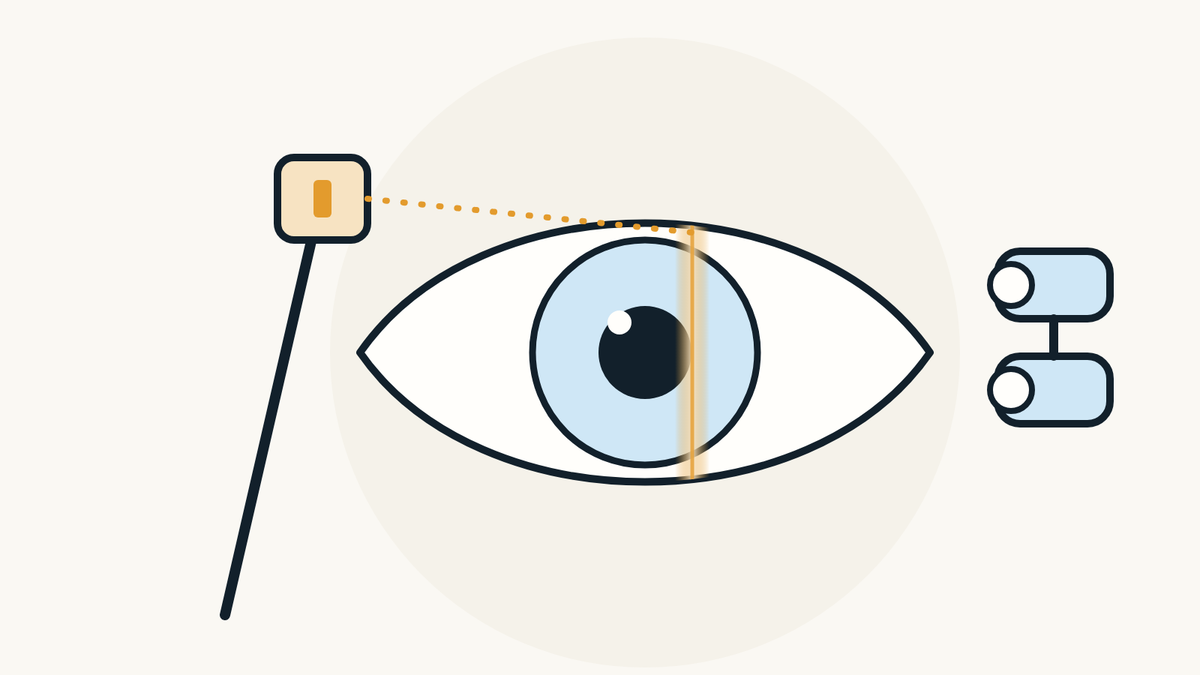
The exam measures your vision and prescription, then checks the health of the eye, from the front to the retina. To see what the visit includes, see our page on the eye exam in Montréal, and our eye conditions A to Z hub for other symptoms.

Where can you get blurry vision checked in Montréal?
At PrimeVision, 9520 Boulevard de l'Acadie, Suite 222, in Montréal (Ahuntsic), optometrists and a licensed optician work under one roof. The adult eye exam there includes vision and prescription tests, the health of both retinas and OCT imaging. An urgent problem is seen when there is availability; otherwise, depending on how severe it is, the clinic recommends going to the emergency department. When treatment is a matter for an ophthalmologist, the clinic writes the referral, sends it directly and gives you a copy. Children's eye exams are done from age 4. RAMQ covers eye exams for children under 18 and adults 65+.
To book, book ahead online: the times shown are the open ones. For an emergency sign, do not wait for an appointment: go to the emergency department. See also our page on urgent eye care.

Sources
- Refractive Errors, National Eye Institute, accessed November 4, 2026.
- Dry Eye, National Eye Institute, accessed November 4, 2026.
- Cataracts, National Eye Institute, accessed November 4, 2026.
- Sudden Blurred Vision, Canadian Association of Optometrists, March 18, 2023.
- Blurriness, American Academy of Ophthalmology, January 25, 2021.
- How Hormones Can Affect Eyes and Vision, American Academy of Ophthalmology, accessed November 4, 2026.
- Eye problems in adults, Mayo Clinic, accessed November 4, 2026.
Find our eye care articles useful? Add PrimeVision as a preferred source in Google.
This article is general information and does not replace an eye exam.