Advice

Eye Care Advice

Clear answers to the questions our patients ask about vision, glasses, contact lenses and eye health.

Vision and prescriptions

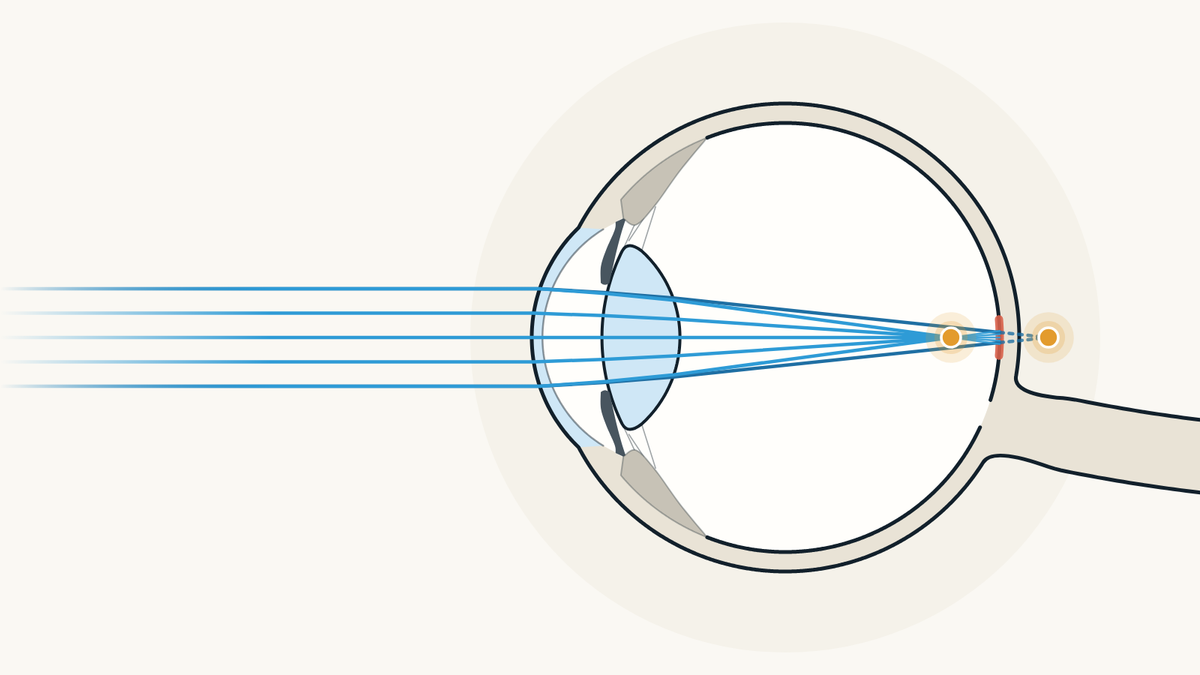
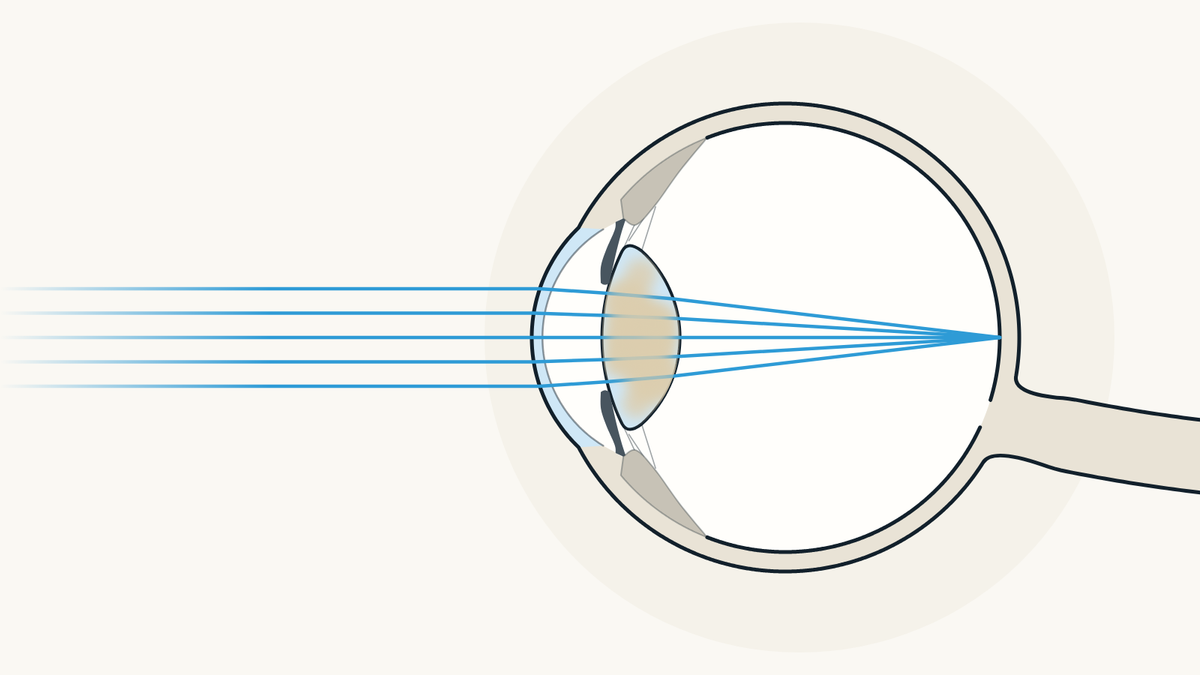
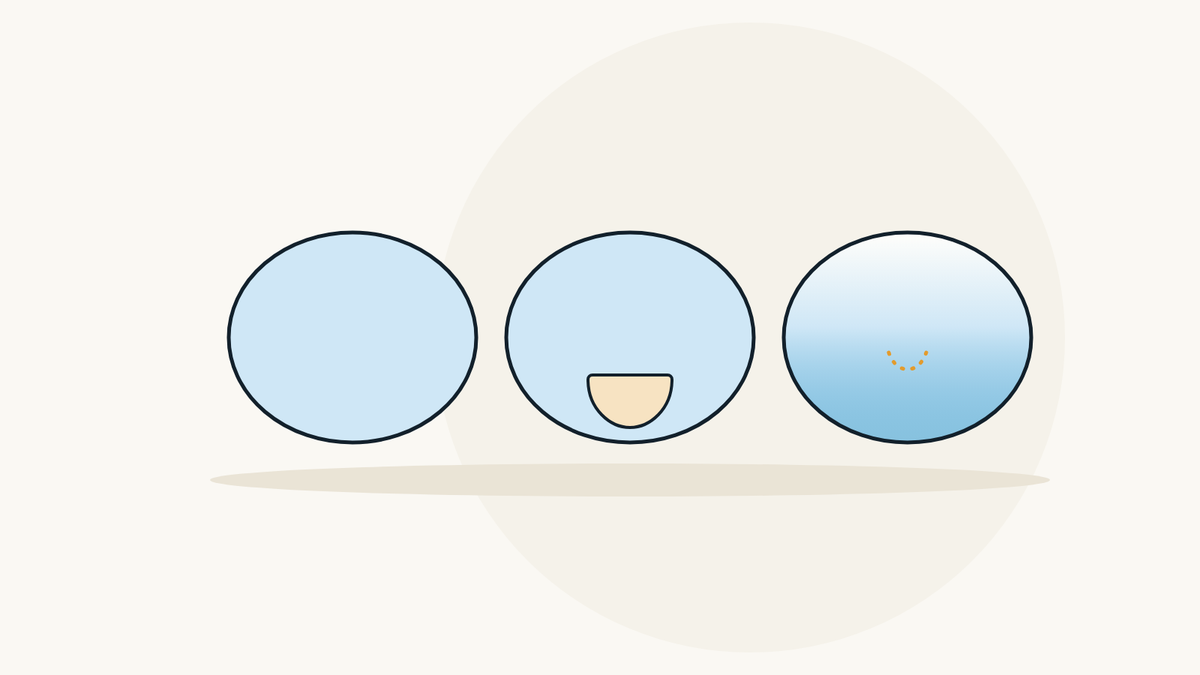
Illustration of an astigmatic eye seen from the side: the cornea or lens bends light unevenly in different directions, so light doesn't focus properly on the retina.
Vision and prescriptions

Astigmatism: Symptoms, Causes and Your Correction Options

Astigmatism is common and can usually be corrected well. Here's how to recognize it, why lights look streaky at night, and how to read the CYL and AXIS on your prescription.

Lenses and eyewear

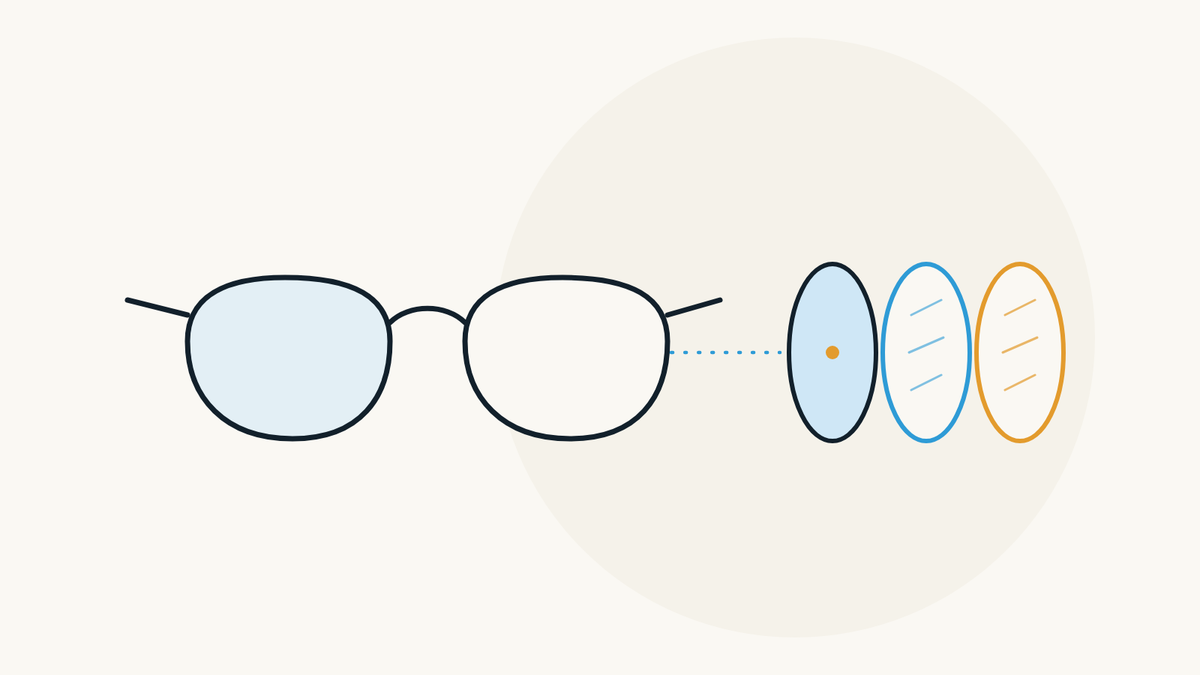
Illustration of a pair of glasses with one lens pulled out and split into three layers: the lens and two coatings.
Lenses and eyewear

Do You Need to Spend a Lot on Glasses?

What changes the price of glasses, where spending more is worth it, what you can skip, and what RAMQ and insurance cover.

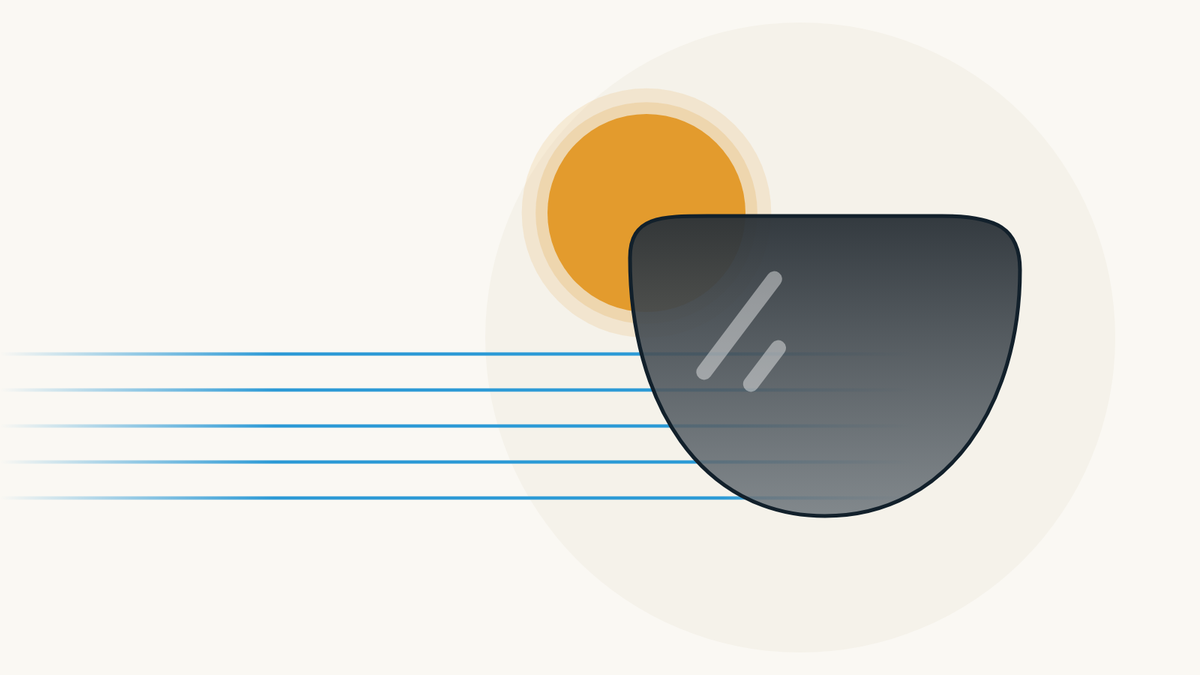
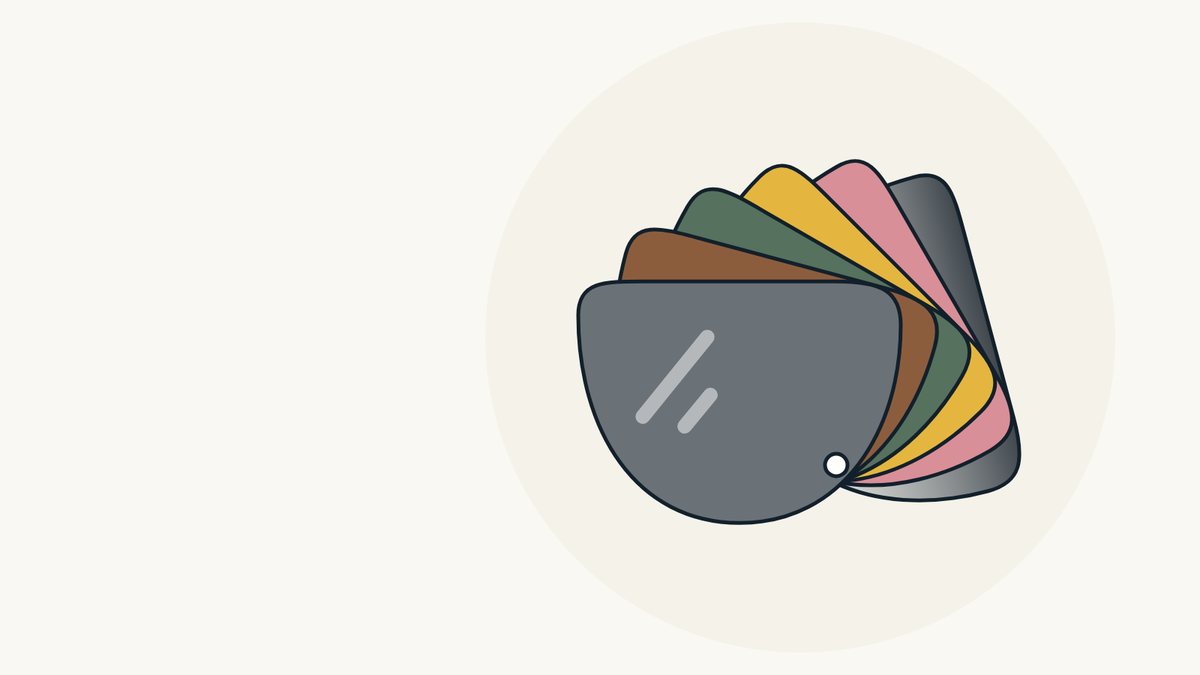
Illustration of a fan of sun lens samples: grey, brown, green, yellow, rose and gradient.
Lenses and eyewear

Tinted Lenses: What Each Colour Does and How to Choose

Each lens tint colour changes light in its own way, but none of them tells you whether your glasses block UV. Here is what each tint does, its limits behind the wheel and when to see an optometrist.

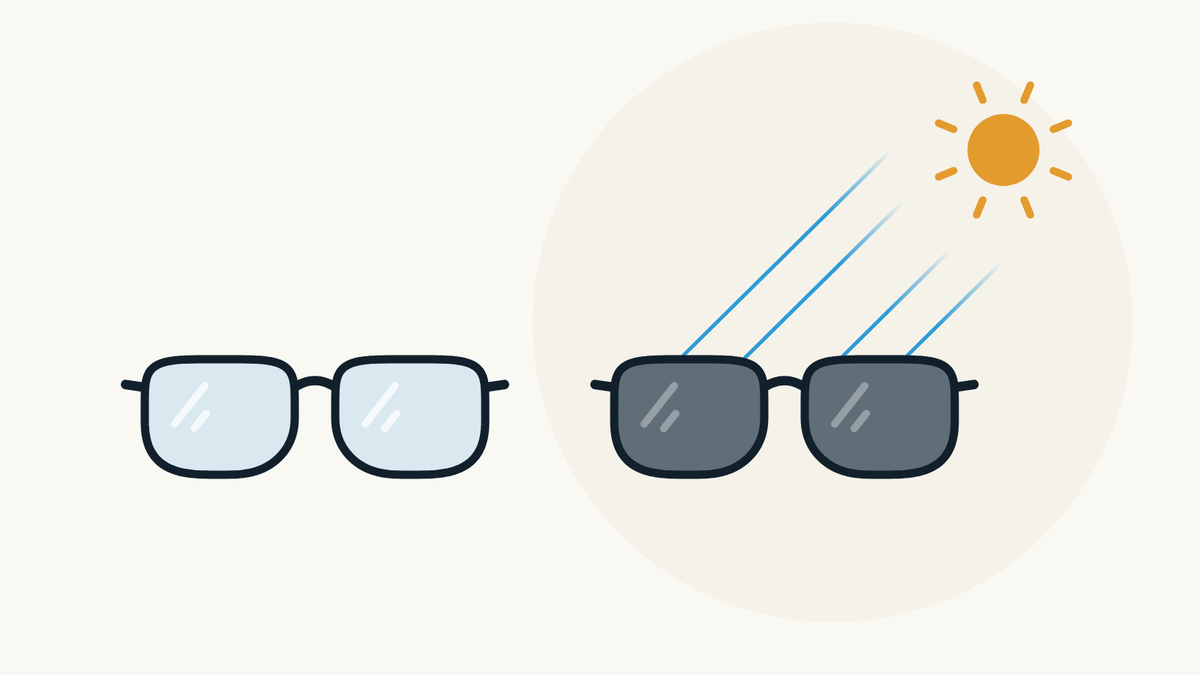
Illustration of the same pair of glasses with photochromic lenses, shown twice: clear out of the sun, and darkened where the sun's rays reach the lenses.
Lenses and eyewear

Transition Lenses: Pros, Cons and Who They're Right For

Transition lenses darken in the sun and clear up indoors. Here is what they do well, where they fall short in the car and in the cold, and how to tell if they suit you.

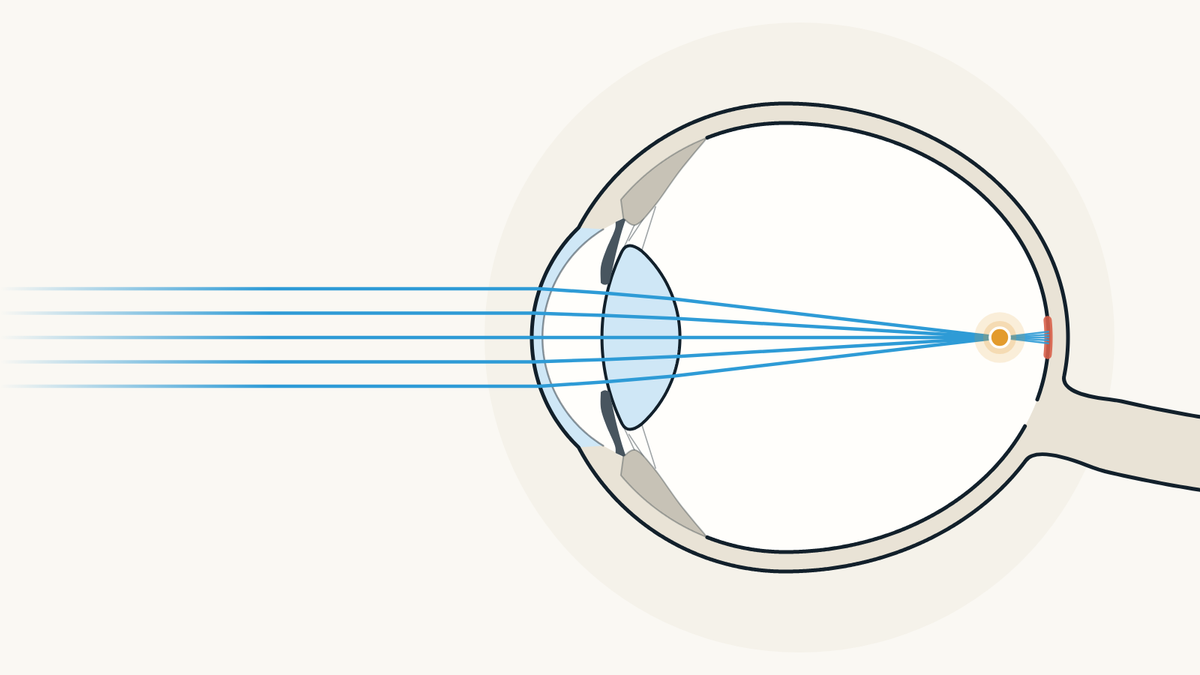
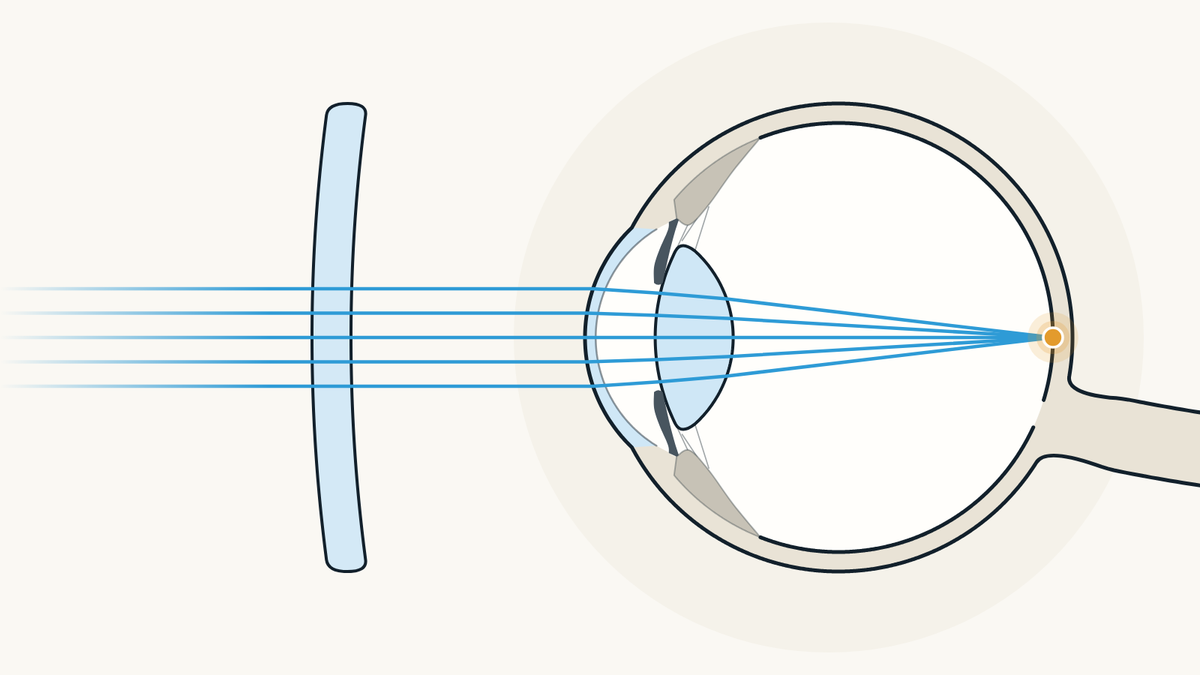
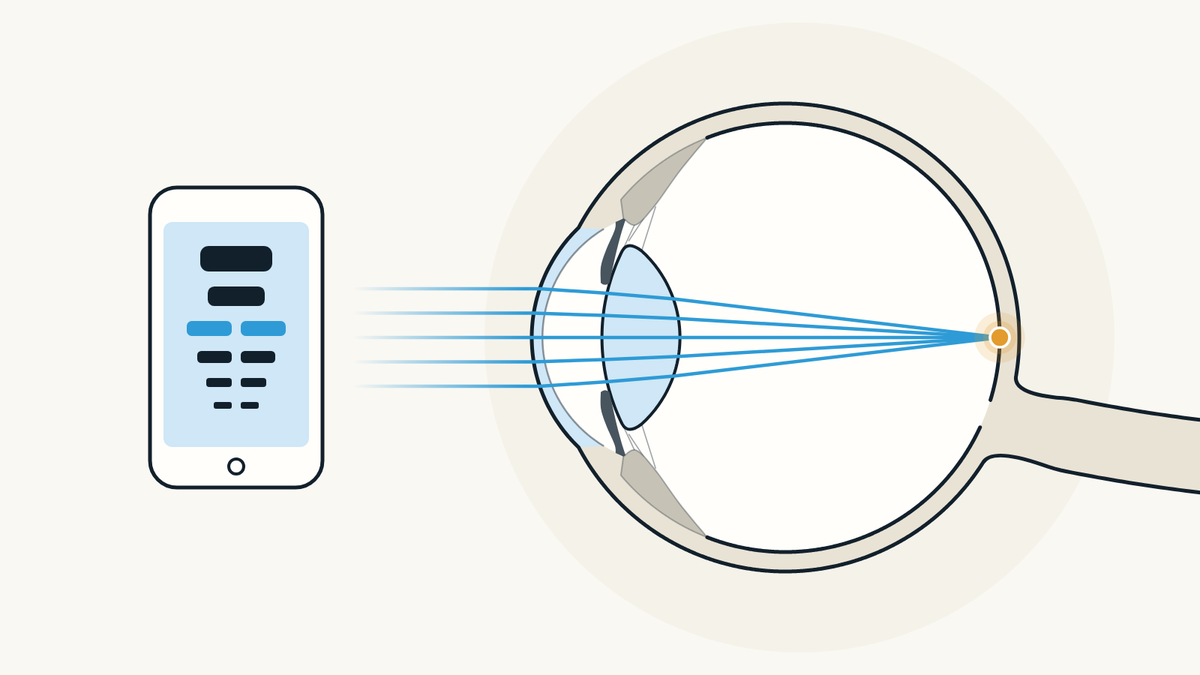
Illustration of an eyeglass lens in front of an eye seen from the side: light passes through the lens, then comes to a focus on the retina.
Lenses and eyewear

Do Blue Light Glasses Work? What the Evidence Says

Blue light glasses are sold everywhere, but research has not shown that they reduce eye strain from screens. Here is what the studies and eye care organizations say, and what can help your eyes.

Contact lenses

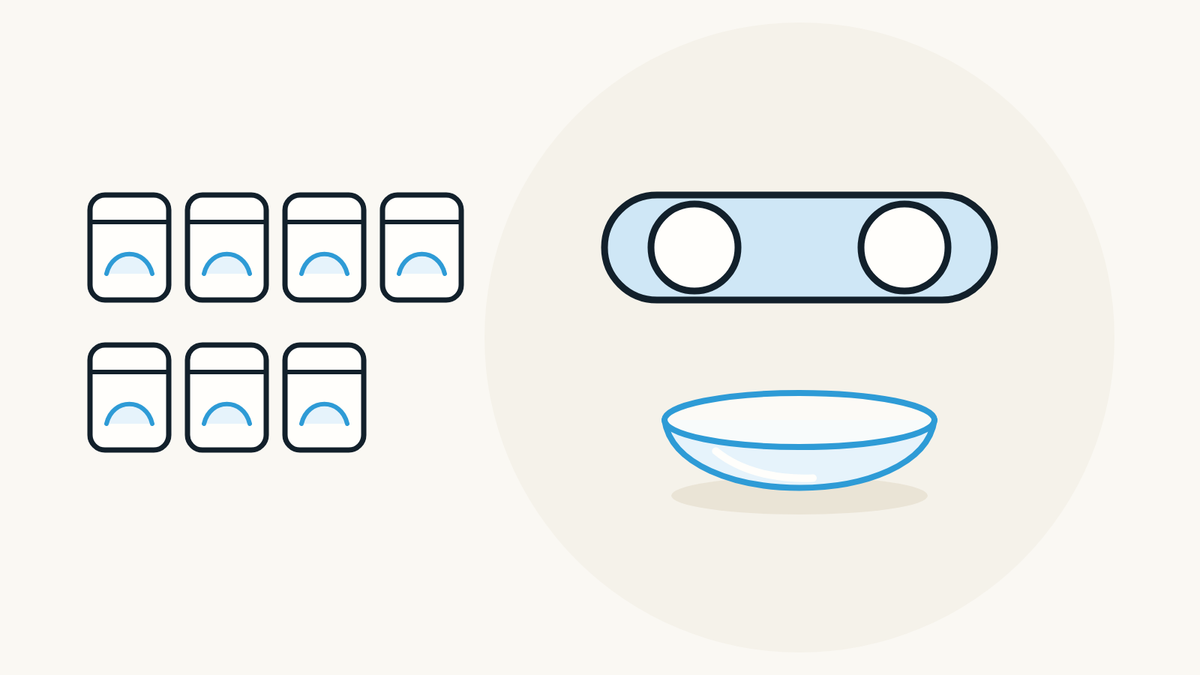
Illustration of seven small daily contact lens packs beside a lens case and a soft contact lens.
Contact lenses

Daily vs Monthly Contact Lenses: How to Choose

Daily lenses are worn for one day and thrown away; monthly lenses are cleaned and stored every night. Safety, care, overnight wear, switching types and who each one suits.

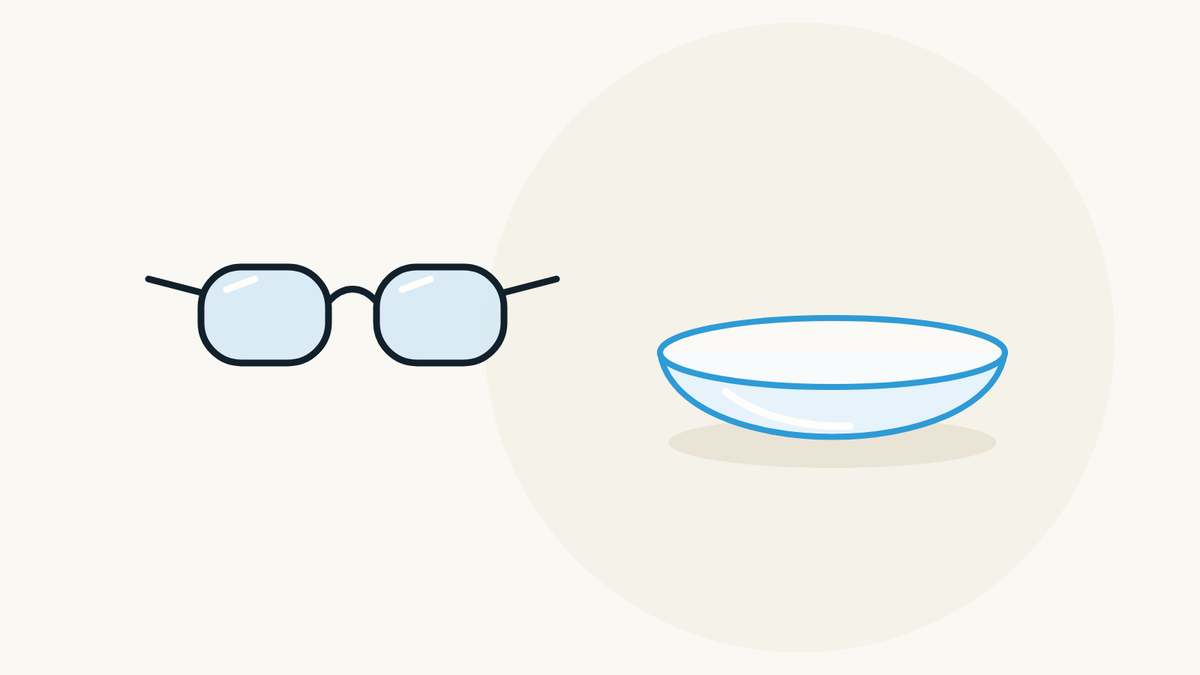
Illustration of a pair of glasses next to a soft contact lens.
Contact lenses

Glasses or Contact Lenses: Which Should You Choose?

Glasses and contact lenses correct the same vision problems. What each one does well, the care contacts need, sports, wearing both, and the options after 40.

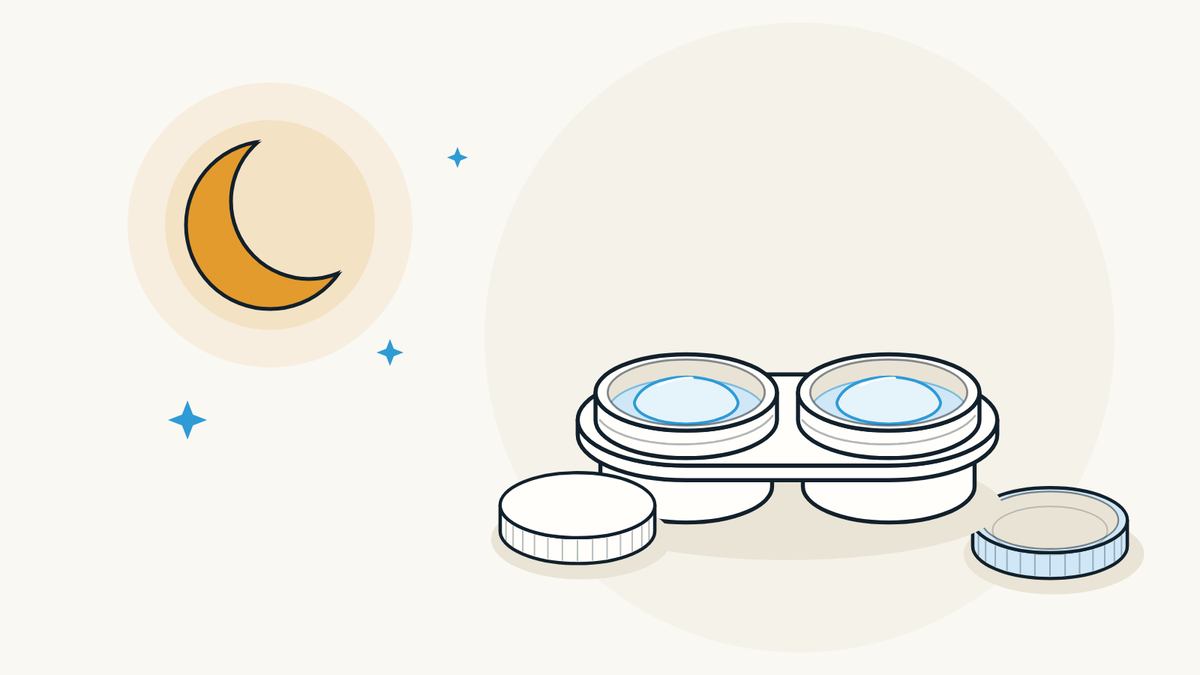
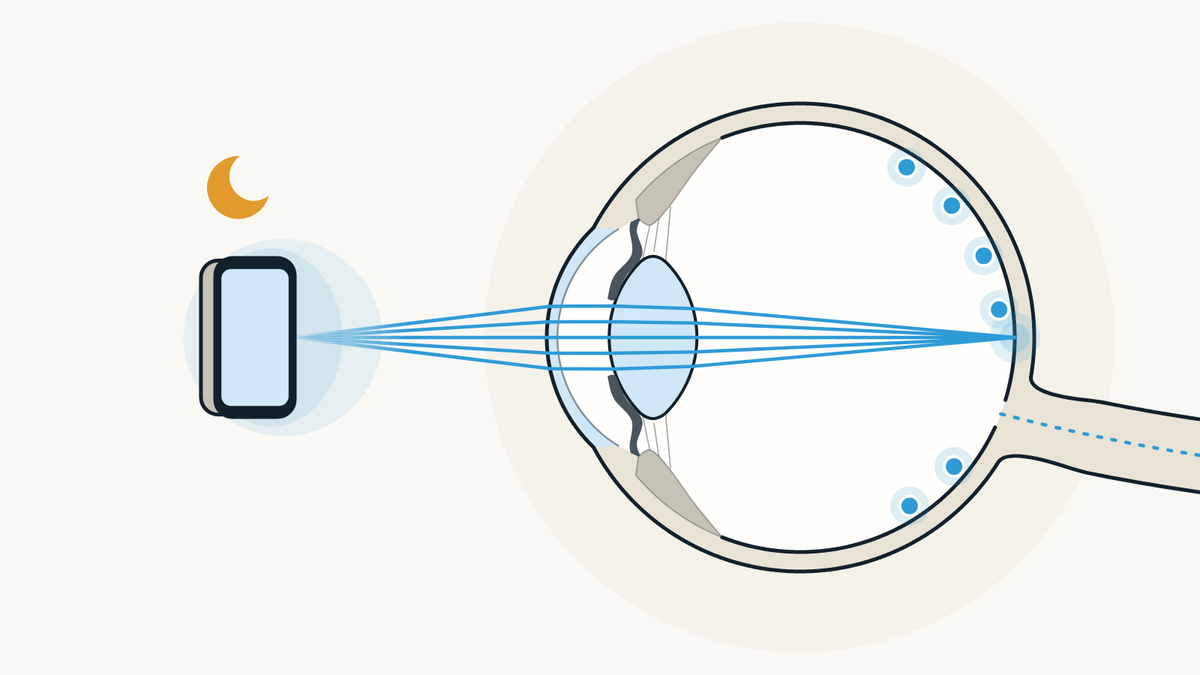
Illustration of a crescent moon and a contact lens case holding both lenses, its caps beside it.
Contact lenses

Can You Sleep in Your Contact Lenses?

Daily wear lenses come out before you sleep, even for a nap. What extended wear lenses are, what to do if you fell asleep in your contacts, and the signs that mean you should call.

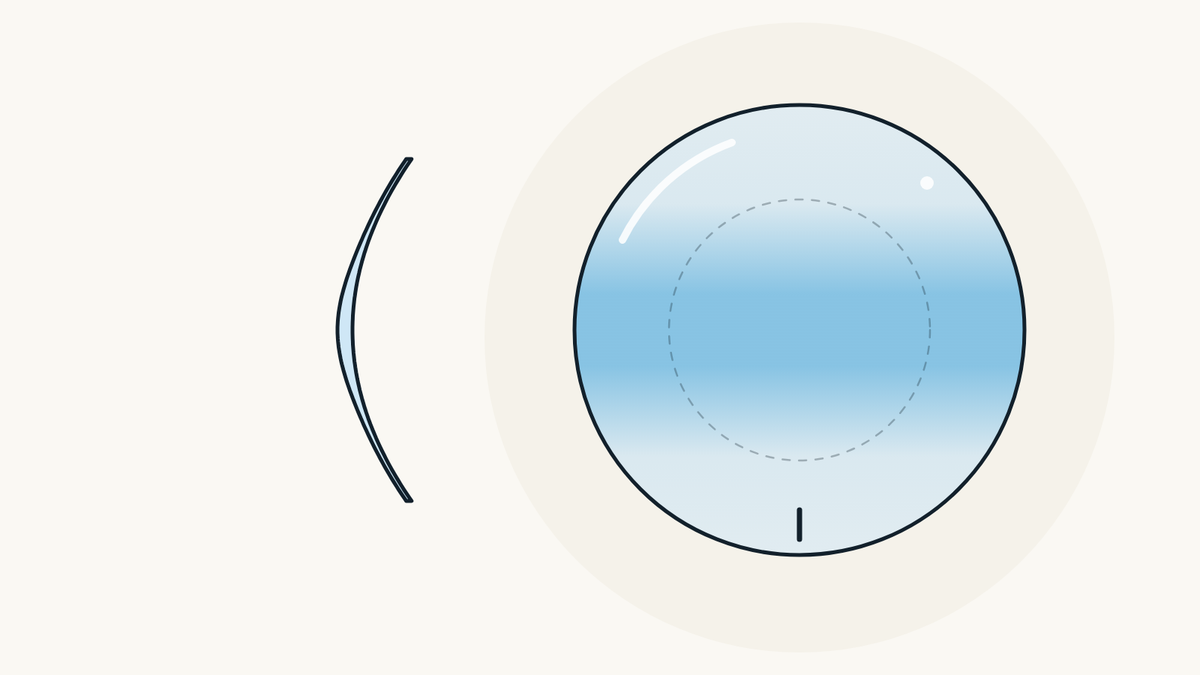
Illustration of a toric contact lens seen from the front, with its stabilization zones and small marking at the bottom, and the same lens seen from the side.
Contact lenses

Contact lenses for astigmatism: how toric lenses work

How a toric lens stays oriented on your eye to correct astigmatism, when regular contacts are enough, what to expect at a fitting and what happens when a soft toric lens is not enough.

Eye health

More advice

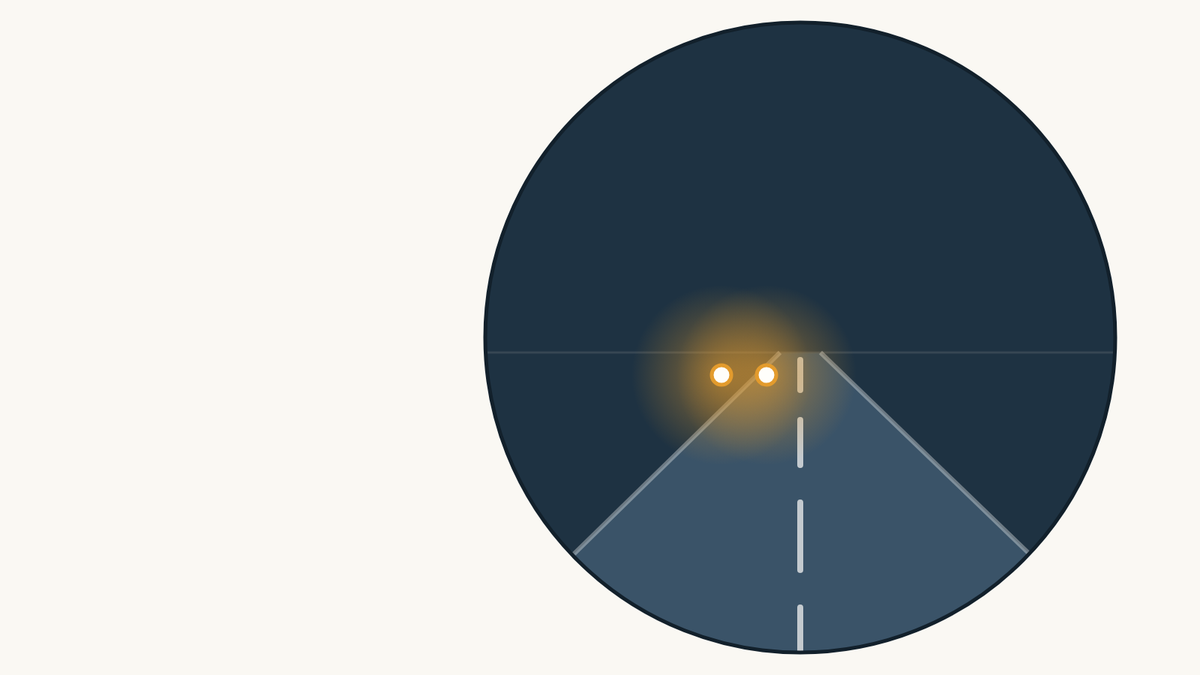
Illustration of a road at night with the headlights of an oncoming car and their glare.
Advice

Glasses for Night Driving: What Helps With Glare and What Does Not

Do yellow night driving glasses work? What a simulator study found, why tinted lenses do not belong on the road at night, what anti-reflective coating does, why you see halos around headlights, and when night vision needs an eye exam.

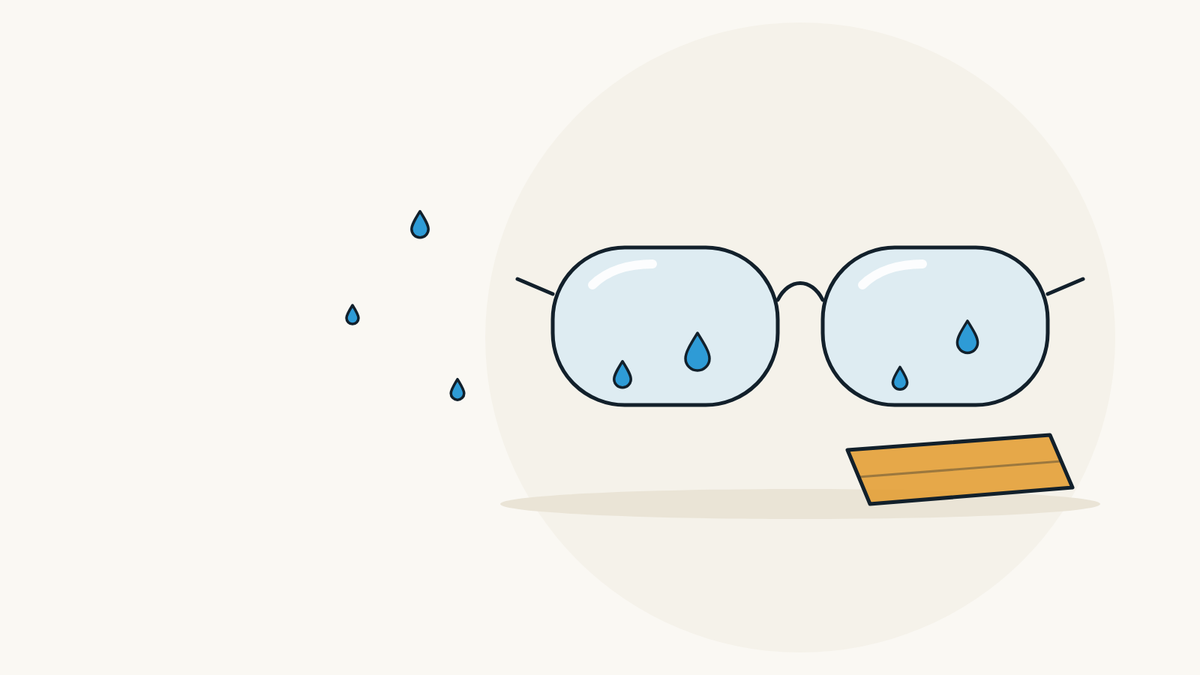
Illustration of a pair of glasses with water drops on the lenses, next to a folded microfibre cloth.
Advice

How to Clean Your Glasses Without Scratching Them

How to clean your glasses without scratching them: water, a drop of mild soap and a microfibre cloth. What to avoid, how to wash the cloth and the frame, how to store glasses, heat, and whether a scratched lens can be repaired.
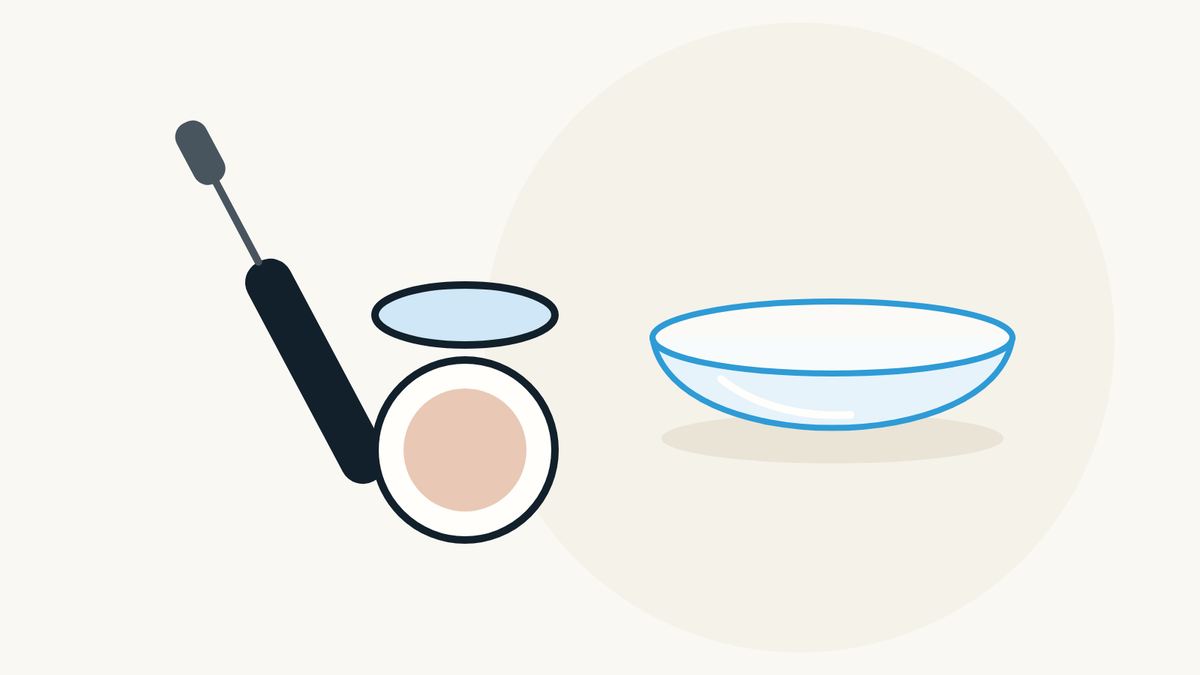
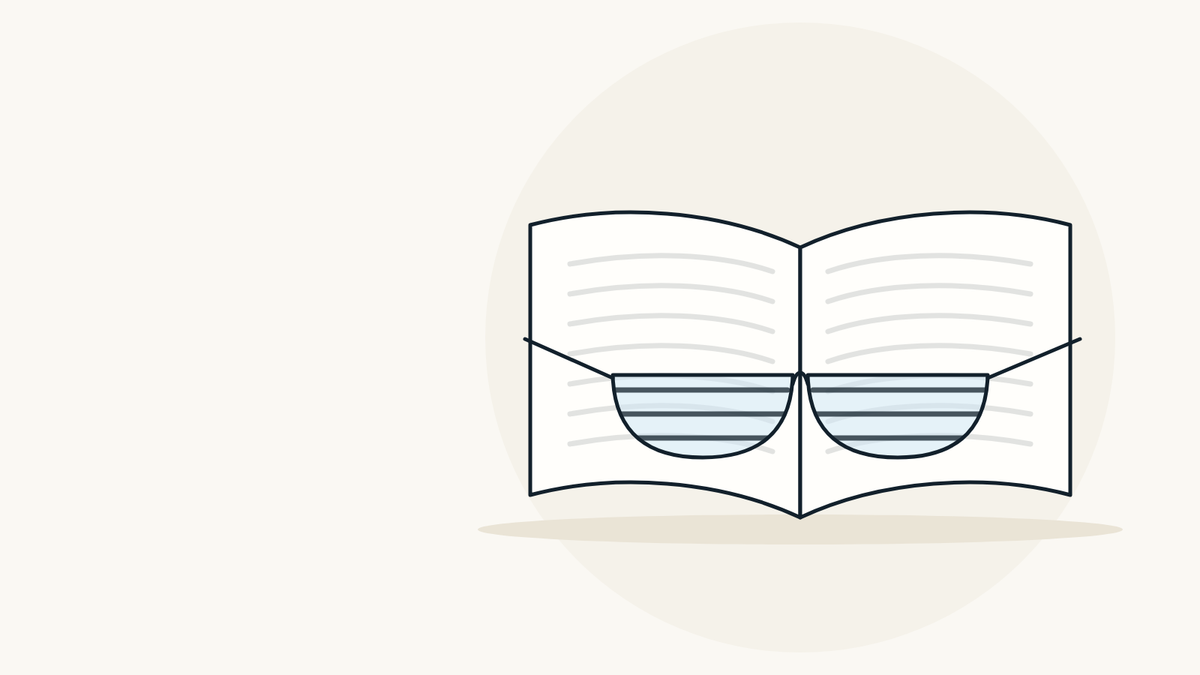
Illustration of an open book with a pair of reading glasses resting on it: the lines seen through the lenses are sharp, the rest of the page is faint.
Advice

Are Drugstore Reading Glasses Safe to Use?

Drugstore reading glasses do not damage your eyes, according to the American Academy of Ophthalmology, but they are made for presbyopia only. When they fall short, how to choose the strength, and why they do not replace an eye exam.

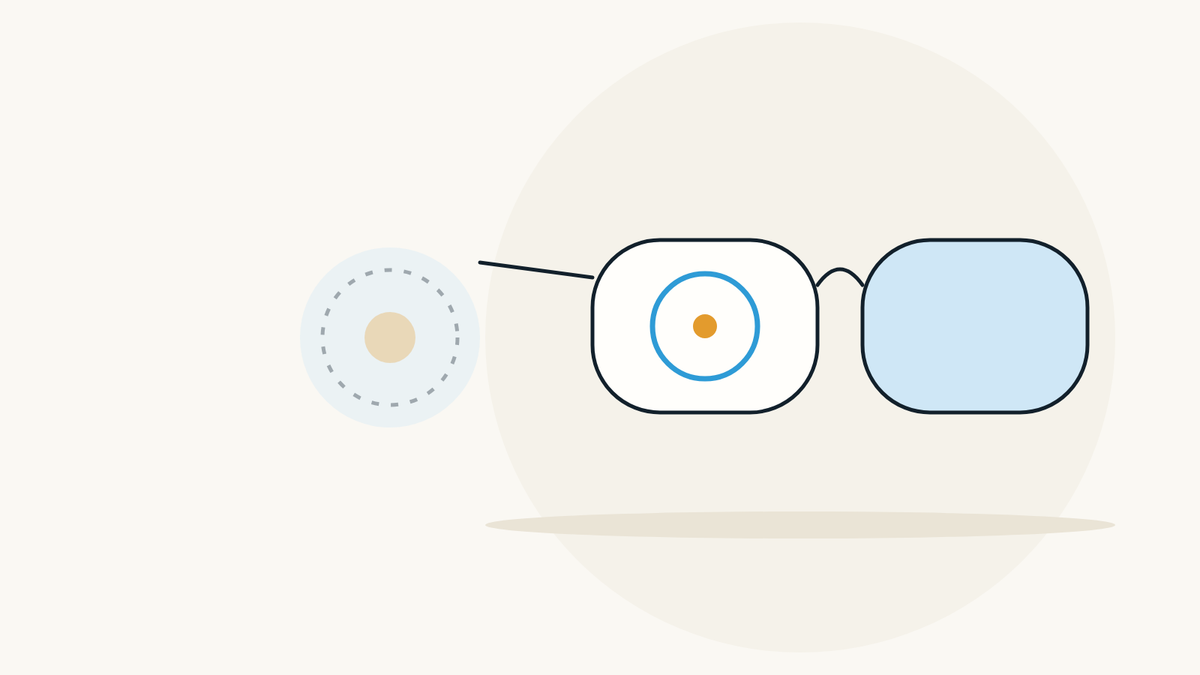
Illustration of a pair of glasses: through one lens a ring is sharp, outside the glasses the same ring looks soft and blurred.
Advice

Do Glasses Make Your Eyes Weaker? Myth and Fact

Glasses do not make your eyes weaker, according to the American Academy of Ophthalmology. Why vision seems worse without them, why prescriptions change with age, and what the research says about weak glasses for children.
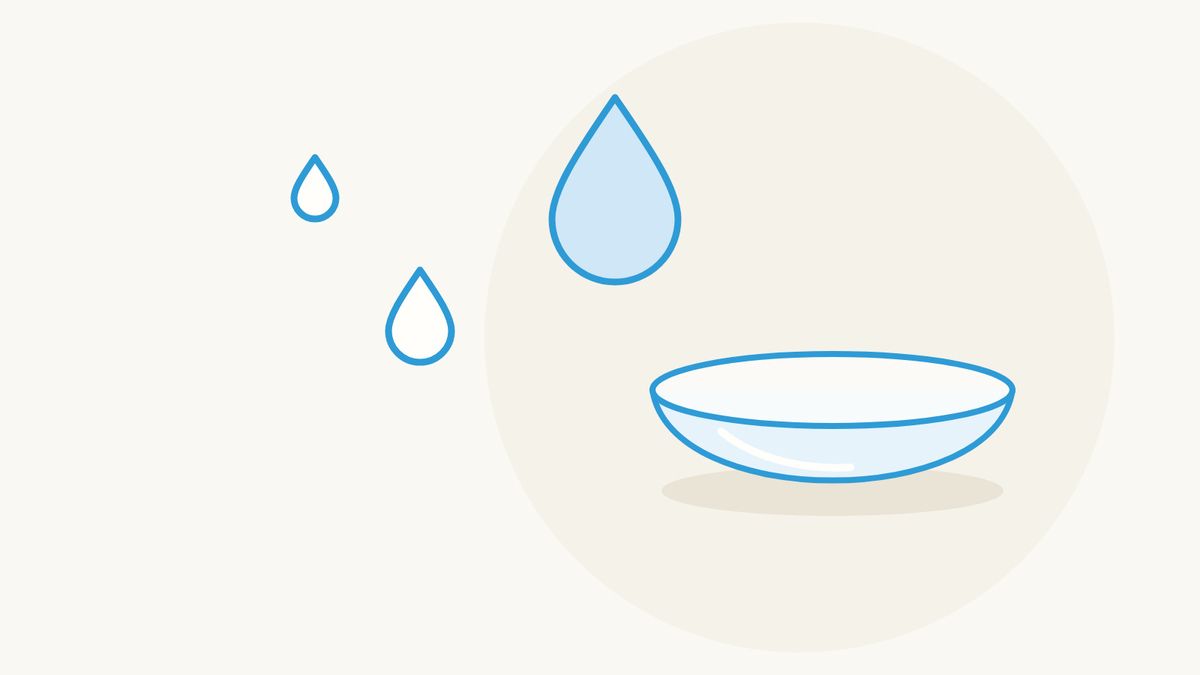
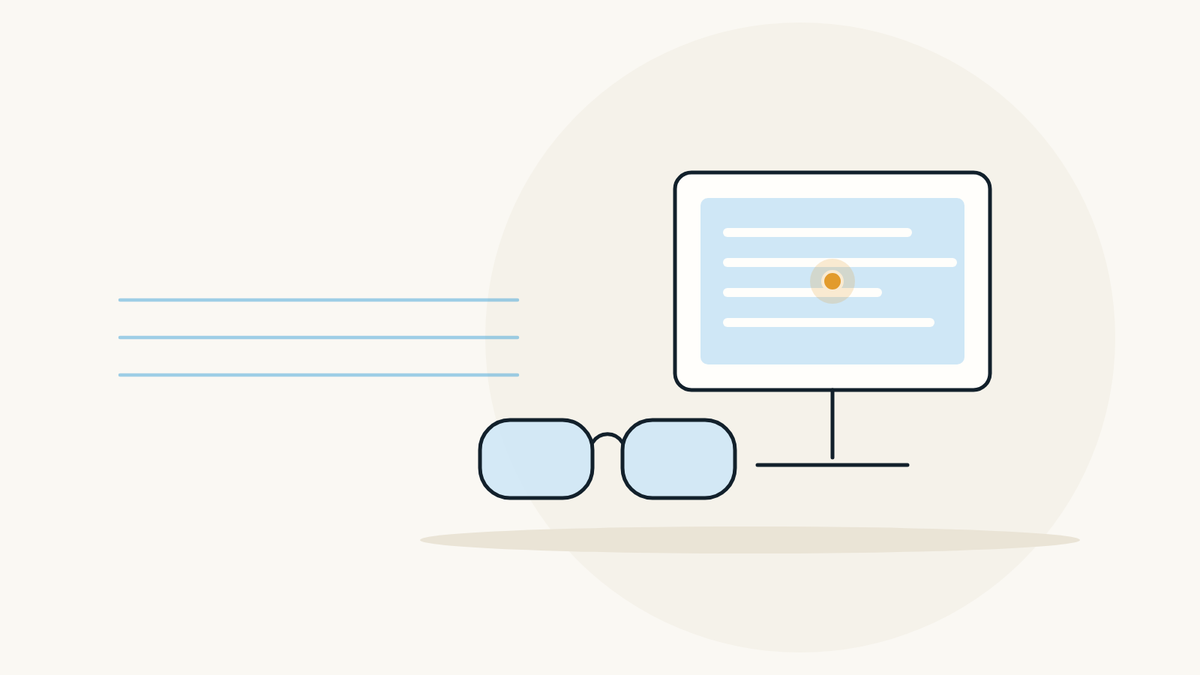
Illustration of a computer screen with a pair of glasses in front of it and three light lines coming from the left.
Advice

Computer Glasses: Single Vision, Office Lenses or Progressives?

Computer glasses are prescription glasses set for the distance of your screen. How single vision screen lenses, office lenses and progressives compare, why blue light glasses are something else, and what else eases screen eye strain.

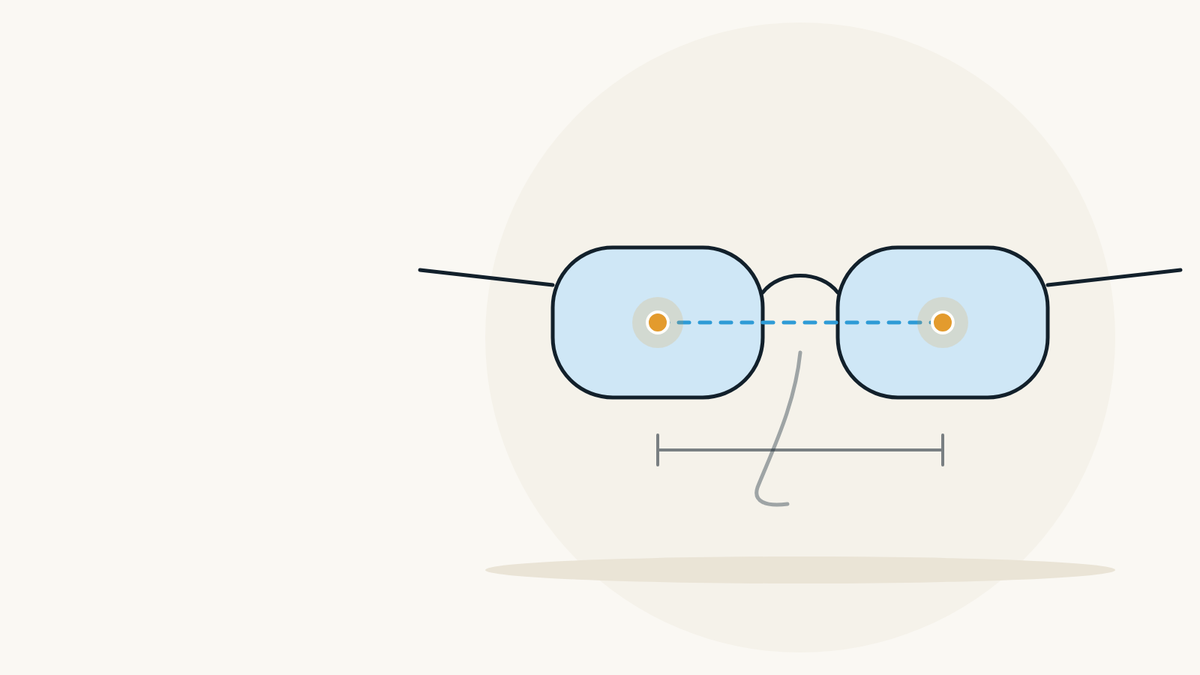
Illustration of a glasses front with a dot centred in each lens and a dashed line joining them, resting on a simple nose line.
Advice

How to Choose Glasses Frames That Fit Your Face

A frame that suits your face first has to fit: level, stable, no red marks. How to judge size, bridge and temples, what face shape and your prescription change, and when buying online is not advised.

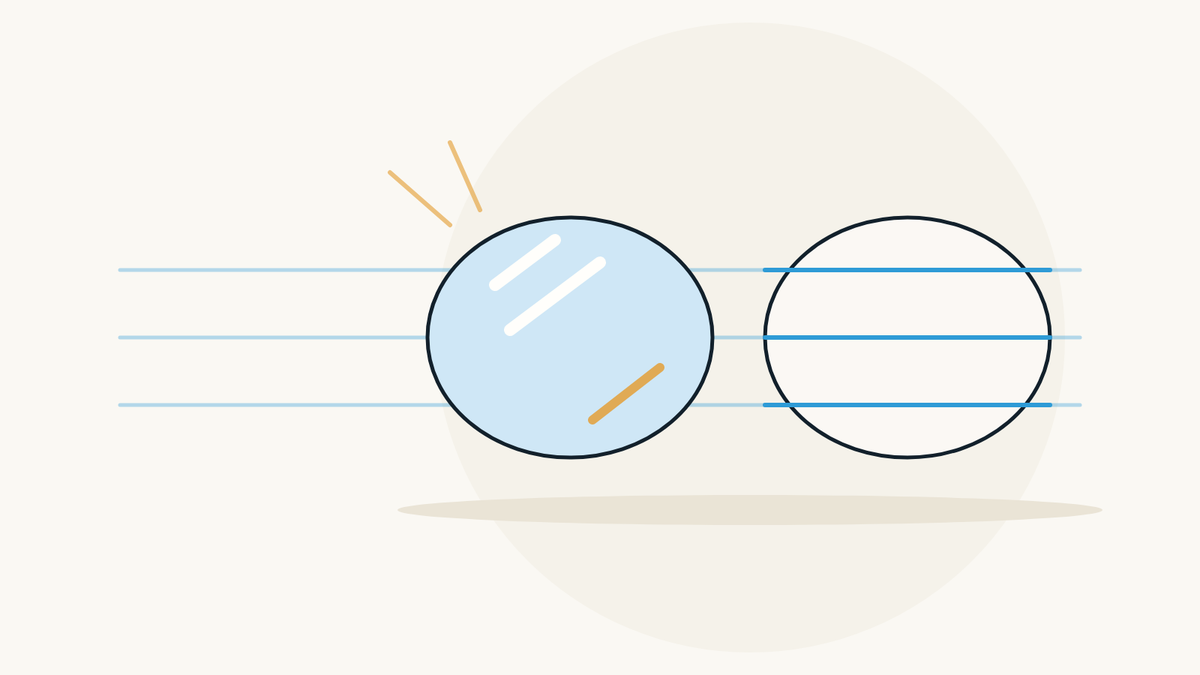
Illustration of two lenses: the left one shows bright reflections, the right one with anti-reflective coating lets light pass straight through.
Advice

Anti-Reflective Coating: What It Does and Who Notices It

Anti-reflective coating reduces glare and reflections on your lenses. Who notices it most, how it differs from anti-scratch and UV coatings, and how to clean and protect coated lenses.

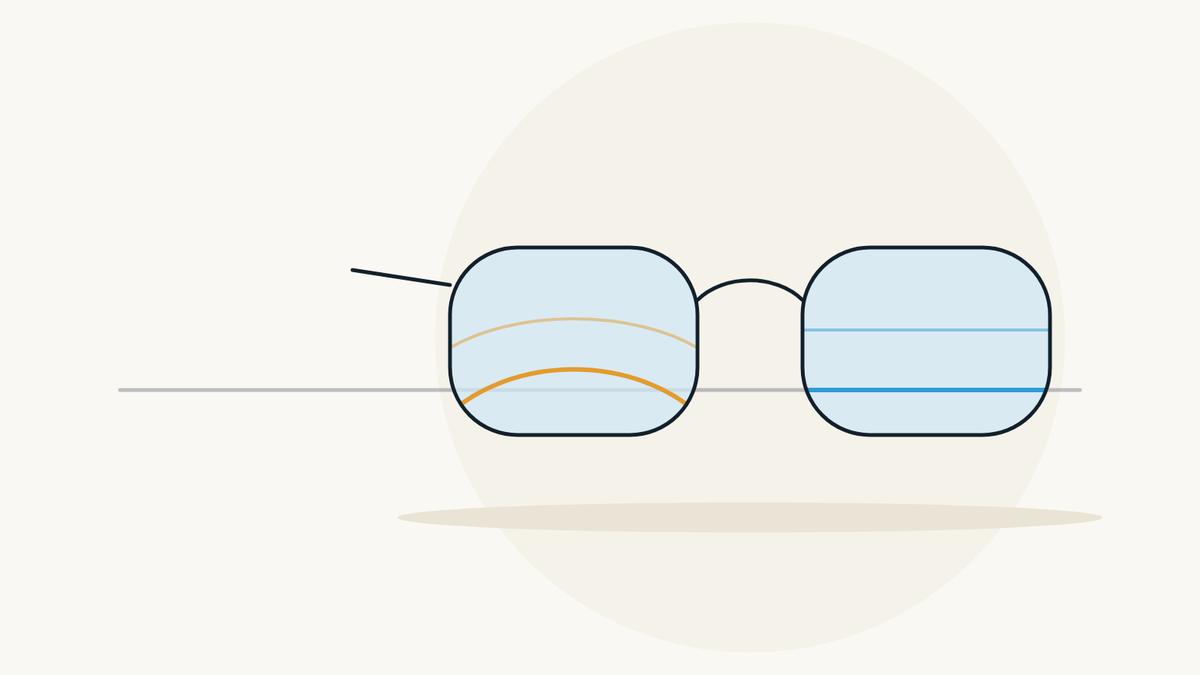
Illustration of a pair of glasses: through the left lens the horizon line curves, through the right lens it stays straight.
Advice

Why Do New Glasses Feel Strange? How Long Adjusting Takes

A mild headache, a fishbowl effect or blurry edges are common with new glasses. What is normal, how long adjusting takes, what helps, and when to have the prescription or the fit checked.

Illustration of a blank prescription form with rows of empty boxes, and a pair of glasses resting on it.
Advice

How to Read Your Glasses Prescription: SPH, CYL, Axis and ADD

How to read a glasses prescription line by line: OD and OS, sphere (SPH) for nearsightedness or farsightedness, cylinder and axis for astigmatism, ADD for reading, prism and pupillary distance, with a worked example.

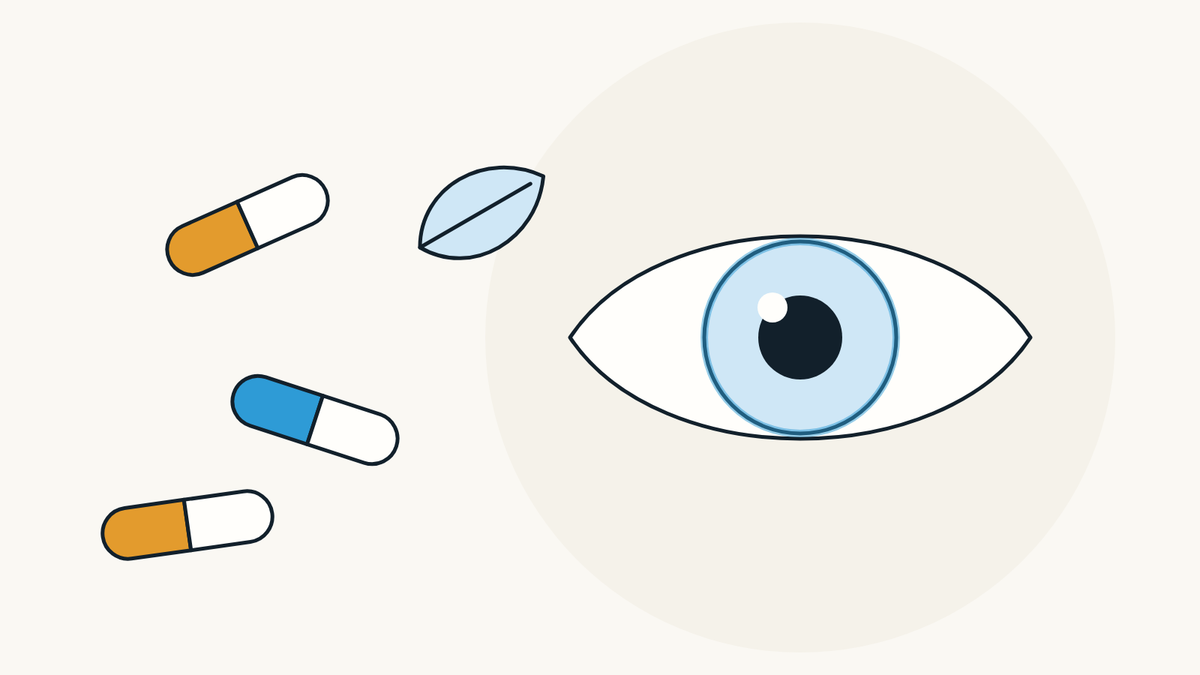
Illustration of an eye seen from the front, with three supplement capsules and a leaf beside it.
Advice

Eye Vitamins: What Helps and What the Evidence Says

What eye vitamins really do: the AREDS2 formula slows intermediate macular degeneration, but no supplement prevents AMD or cataracts in healthy eyes, and omega-3 did no better than placebo for dry eye. Food, risks and when to ask your optometrist.

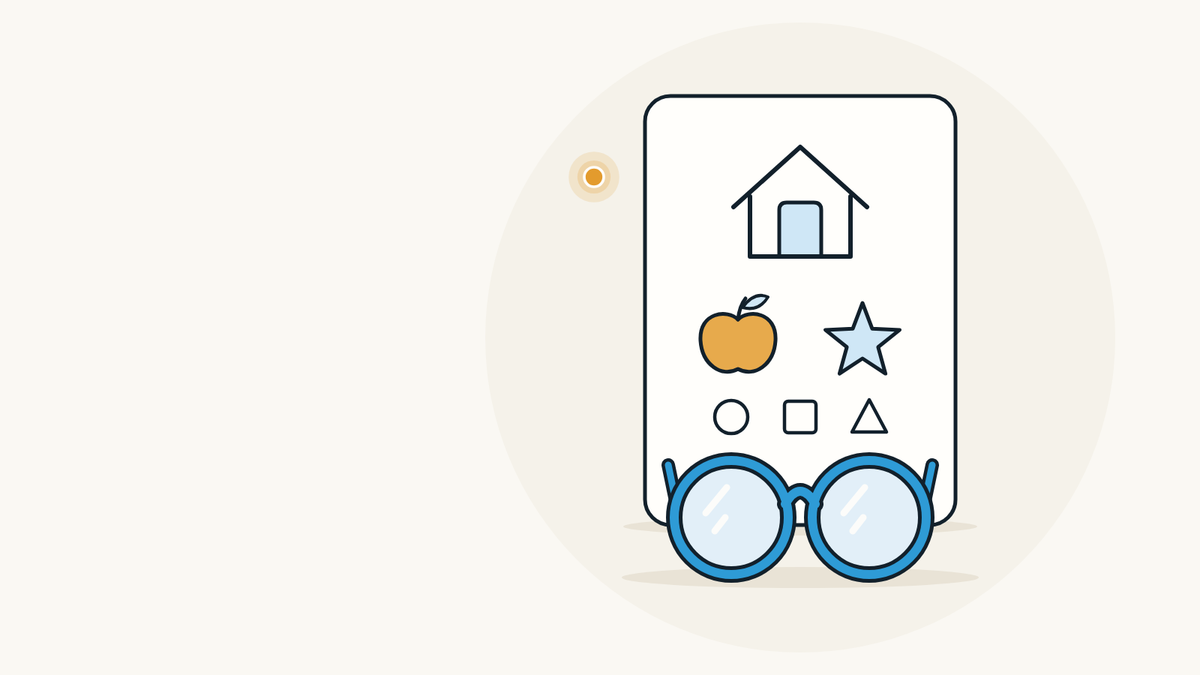
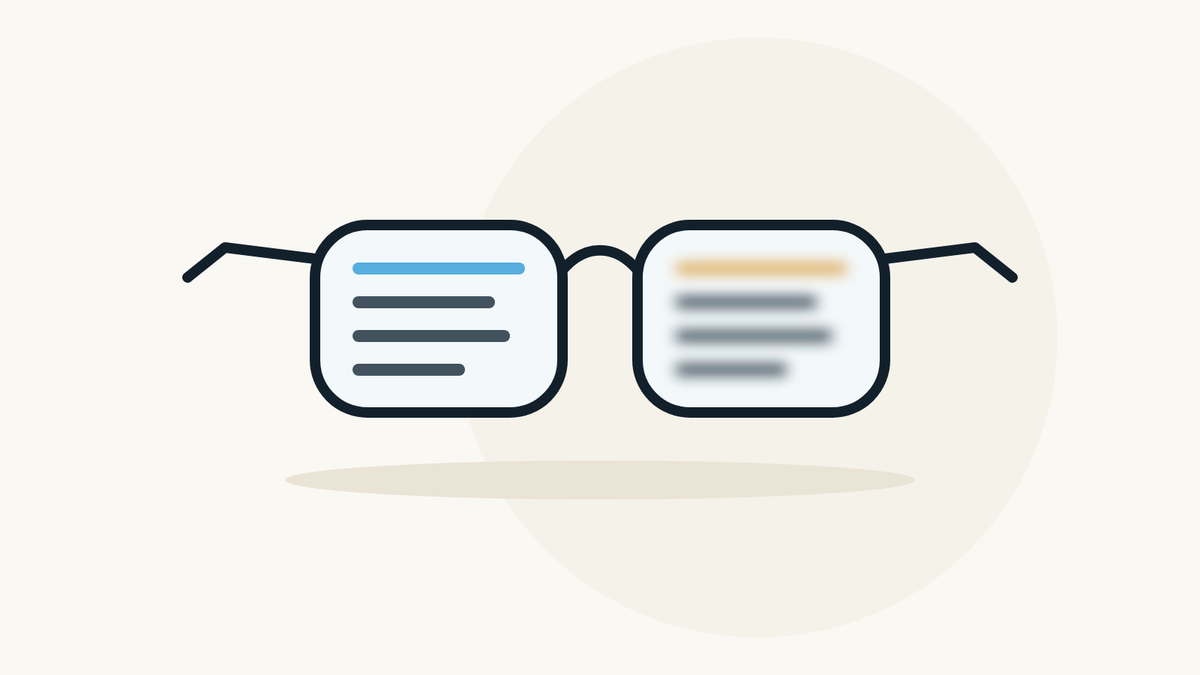
Illustration of a pair of glasses: the lines are sharp through one lens and blurred through the other.
Advice

How Do You Know You Need New Glasses? Seven Signs

Seven signs you may need new glasses: blur with your glasses on, squinting, headaches, holding text farther away, halos, double or hazy vision and trouble focusing on screens. What is urgent, how often to get checked, and drugstore readers.

Illustration of a soccer ball beside a soft contact lens.
Advice

Can Children Wear Contact Lenses? Age, Safety and Care

Yes, many children can wear contact lenses. What age, how safe they are, whether a child can handle them, changing prescriptions, daily lenses, sports, hygiene and when to call.

Illustration of a mascara wand and an open compact beside a soft contact lens.
Advice

Can You Wear Makeup With Contact Lenses?

Yes, you can wear makeup with contact lenses. The right order, sprays, clean hands, mascara, sharing, products for the eye area, false lashes and tints, and what to do if makeup irritates your eye.

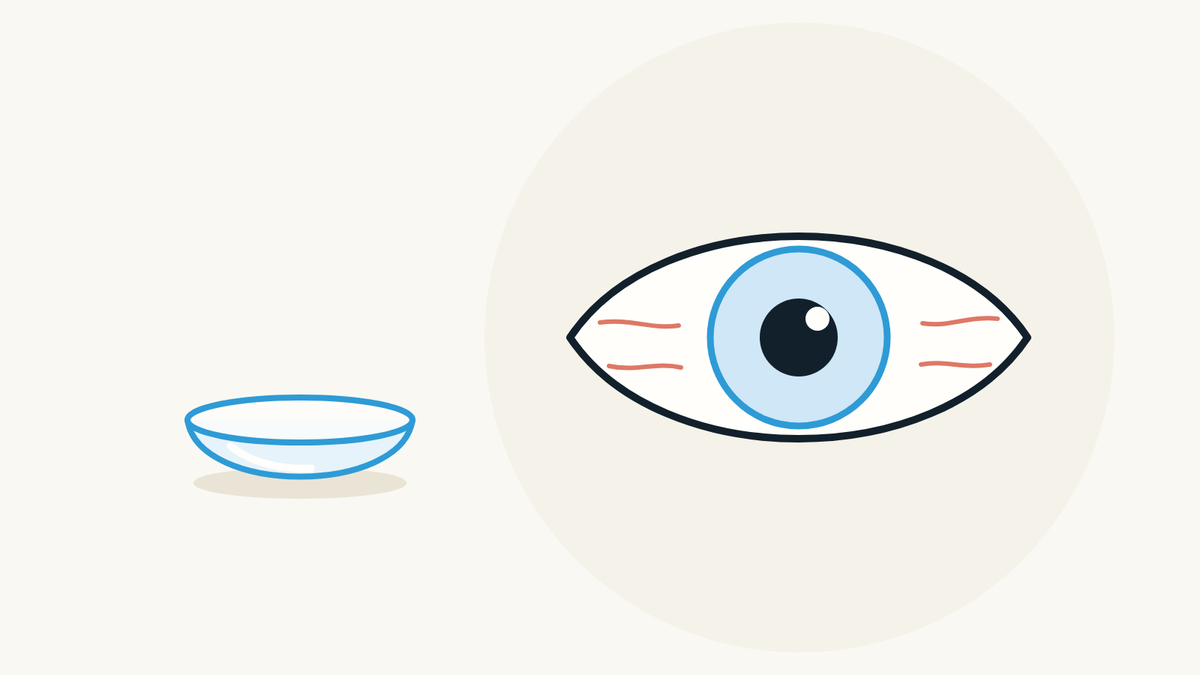
Illustration of an open eye with a few red vessels beside a soft contact lens taken out.
Advice

Red Eye With Contact Lenses: What to Do and When to Call

If your eye turns red with contact lenses, take them out and don't put them back in. The common causes, the signs that mean calling right away, how long to wait, what to do with the lenses and when to wear them again.

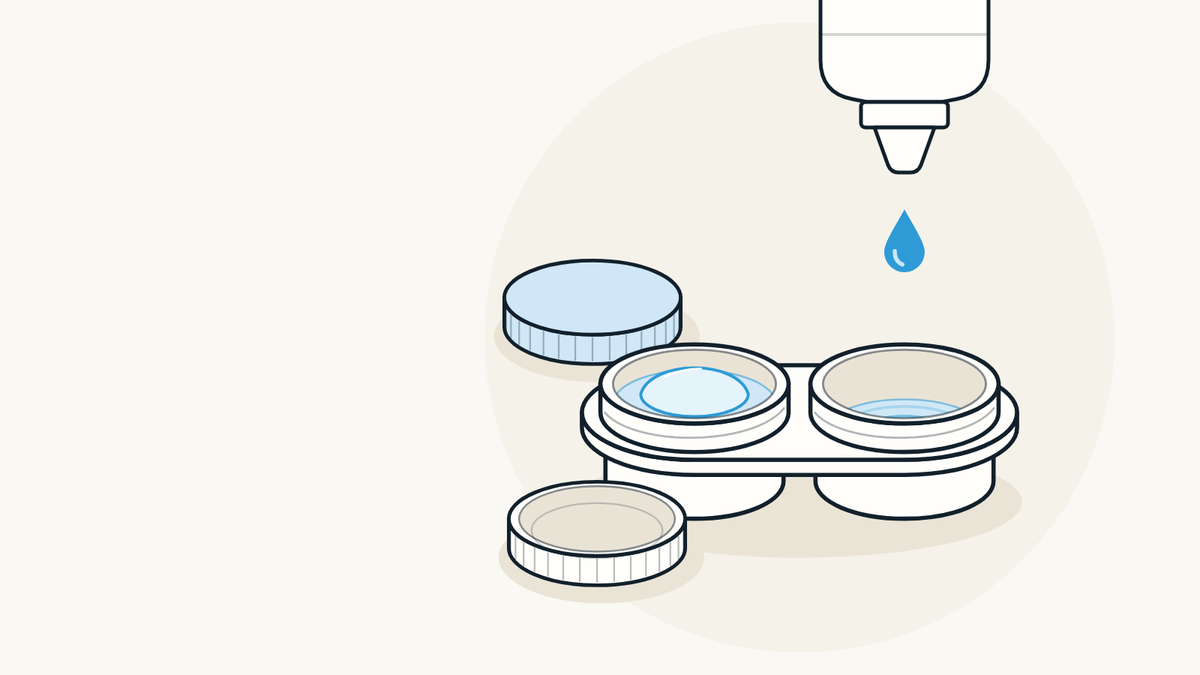
Illustration of eye drops falling toward a soft contact lens.
Advice

Contact Lenses and Dry Eyes: What Helps

You can often keep wearing contact lenses with dry eyes once the cause is found. Why lenses dry the eyes, the signs, which drops work with lenses, red-eye drops, daily habits and what your optometrist can change.

Illustration of a prescription sheet with blank lines beside a contact lens box and a soft contact lens.
Advice

Contact Lens Prescription: What the Numbers Mean in Québec

In Québec, one prescription covers glasses and contact lenses. What OD, SPH, CYL, AXIS, ADD, BC and DIA mean, why contact lens numbers differ from glasses, how a fitting works and how long a prescription is valid.

Illustration of a wall clock next to a soft contact lens.
Advice

How Many Hours a Day Can You Wear Contact Lenses?

There is no single number of hours: you wear contacts for the time your optometrist prescribes. Daily and extended wear, nights, getting used to them, end-of-day dryness and when to take them out.

A question about your eyes?

Book an eye exam online, or call the clinic.